





When it comes to home safety, most of us think of things like fire alarms, car
bon monoxide detectors, and locks on the doors. But there’s a silent danger that too many homeowners overlook—and it’s right beneath your feet.
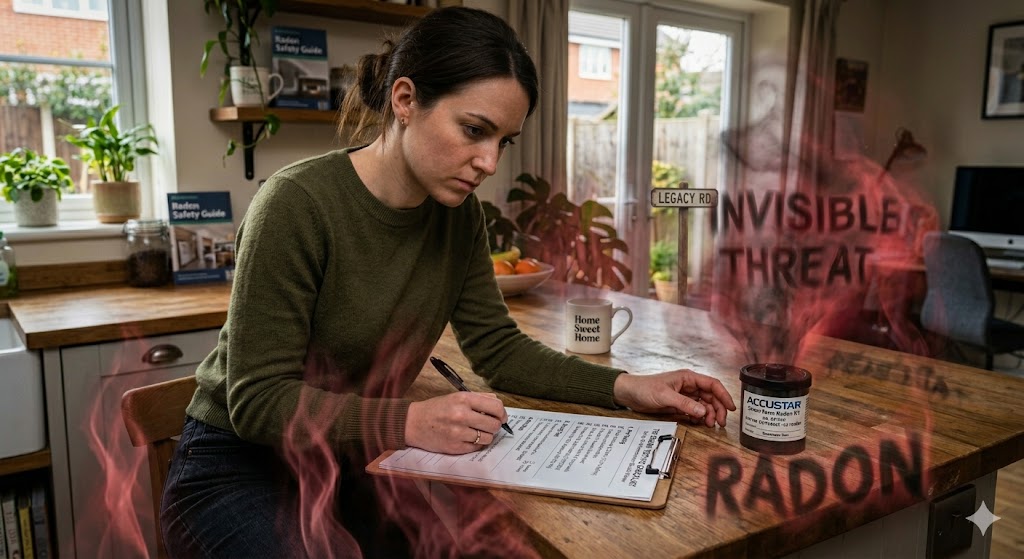
You can’t see it.
You can’t smell it.
You won’t even know it’s there without testing for it.
We’re talking about radon gas—a naturally occurring radioactive gas that may be silently accumulating in your home, posing a serious risk to your health. In this article, we’ll uncover the facts about radon, why every home needs a radon test, and how to take action before it’s too late.
What Is Radon, and Why Should You Care?
Radon is a colorless, odorless gas that forms when uranium in soil, rock, and water breaks down. It seeps through cracks in foundations and can accumulate in basements, crawl spaces, and other low-lying areas of a home.
What makes radon so dangerous? It’s radioactive, and long-term exposure to high levels can cause lung cancer. In fact, radon is the second leading cause of lung cancer in the U.S., according to the EPA—right behind smoking.
You may think your home is safe because it’s new, well-sealed, or in a “low-risk” area. But here’s the truth: no home is immune.
The Invisible Threat in Every Neighborhood
Unlike other gases or contaminants, you won’t notice radon without a test. That means families can be exposed for years without ever knowing.
It doesn’t matter if you live in a big city or a quiet rural town. Radon levels can vary dramatically from one home to the next—even from your house to your neighbor’s.
According to EPA studies, roughly 1 in 15 U.S. homes has elevated radon levels. Some areas are more prone than others, but testing is the only way to know for sure.
How Radon Enters Your Home
Radon gas rises naturally from the ground, and it can enter your home through:
- Cracks in the foundation or basement floor
- Gaps around service pipes
- Construction joints
- Well water systems
- Sump pumps or drains
Once inside, it gets trapped, especially in homes that are well-insulated or tightly sealed to conserve energy. The more time you spend inside, the higher your risk of exposure.
Health Risks Linked to Radon Exposure
The biggest and most concerning health issue linked to radon is lung cancer.
Here’s what you need to know:
- Radon is responsible for over 21,000 lung cancer deaths each year in the U.S.
- Non-smokers are not safe either. In fact, radon is the leading cause of lung cancer among non-smokers.
- If you smoke and live in a home with high radon, your risk is significantly higher.
Exposure is cumulative. The longer you live with radon, the greater your chance of developing problems. That’s why early detection through testing is critical.
Why Radon Testing Should Be Non-Negotiable
Still wondering if testing your home is really necessary?
Here’s why every homeowner—whether you rent, own, or are planning to move—should make radon testing a top priority:
- It’s affordable (most DIY radon test kits cost less than $50)
- It’s quick and easy (some tests take as little as 48 hours)
- It’s the only way to detect a serious health hazard
- Peace of mind is priceless
Testing isn’t just a one-time task, either. Homes should be tested every two years, or anytime you make major renovations, especially in basements or crawl spaces.
Types of Radon Tests: Which One Should You Choose?
There are two main types of radon tests: short-term and long-term.
1. Short-Term Radon Tests
These are the most common and give results within 2 to 90 days. Perfect for quick checks or real estate transactions.
- Activated charcoal detectors
- Electret ion chambers
- Digital radon detectors
2. Long-Term Radon Tests
These remain in your home for more than 90 days, providing a more accurate picture of year-round radon levels.
- Alpha track detectors
- Continuous radon monitors
For best results, it’s often recommended to start with a short-term test. If levels are elevated, follow up with a long-term test or contact a radon mitigation professional.
What to Do if Your Radon Levels Are High
If your test shows radon levels at or above 4.0 picocuries per liter (pCi/L)—the EPA’s action threshold—it’s time to take steps to reduce it.
This doesn’t mean you need to panic. But it does mean you need a plan.
Radon Mitigation Options Include:
- Sub-slab depressurization systems (most common and effective)
- Sealing foundation cracks and openings
- Installing radon ventilation fans
These systems can reduce radon levels by up to 99%. It’s a smart investment for your health and your home’s value.
Should You DIY or Call the Pros?
DIY radon test kits are a good starting point, but when it comes to mitigation, a certified radon contractor is your safest bet.
They’ll:
- Perform professional testing
- Recommend a tailored mitigation strategy
- Ensure proper installation and system effectiveness
Look for contractors certified by NRPP (National Radon Proficiency Program) or NRSB (National Radon Safety Board).
Selling or Buying a Home? Don’t Skip the Radon Test
Real estate transactions are a crucial time to address radon.
For sellers, a recent radon test shows you’ve been proactive about your home’s safety. For buyers, it’s a chance to avoid unexpected health risks and expenses.
Many states require radon disclosures during home sales, and some lenders may even require testing before approving a loan.
Don’t let radon be a deal-breaker—test early and address any issues head-on.
Myths About Radon That Put Families at Risk
Let’s bust some common radon myths that lead to dangerous assumptions:
- “My home is brand new, so I’m safe.” False. Radon doesn’t care how new or old your home is.
- “Only basements are affected.” Wrong. Radon can be found on any floor, especially if it builds up through HVAC systems.
- “I don’t smoke, so I don’t need to worry.” Even non-smokers get lung cancer from radon.
- “It’s too expensive to fix.” Many radon mitigation systems cost $800 to $2,500—a small price for long-term health protection.
Radon and Your Kids: Why It’s Extra Important for Families
If you have children, radon testing becomes even more critical.
Kids breathe faster and have smaller lungs, making them more vulnerable to radiation damage. Long-term exposure in childhood can set the stage for health issues later in life.
Testing your home is one of the simplest, most powerful ways to protect your family’s future.
Conclusion: Radon Might Be Invisible, But It’s Not Inevitable
You can’t see it. You can’t smell it. But radon is a very real and dangerous threat—and it could be lurking in your home right now.
The good news? You have the power to detect and eliminate it.
By testing your home regularly, addressing elevated levels, and staying informed, you’re taking one of the most important steps toward a healthier, safer living environment.
Don’t wait for symptoms. Don’t assume you’re safe. Do the test. Protect your family.
To schedule a radon test or learn more, visit Fort Collins Radon Mitigation
Buying or maintaining a home is one of the biggest investments you’ll ever make. While a property may appear flawless during a walkthrough, hidden issues can quickly turn your dream home into a fin
Most homeowners think the biggest threats to their home are obvious—leaks, mold, pests, or structural damage. But one of the most dangerous risks is something you can’t see, smell, or feel at all.