


When you're caught up in the excitement of buying a new home, it can be tempting to skip the home inspection—especially in a competitive real estate market where time is of the essence. But opting out of a home inspection might be one of the most financially devastating decisions you could ever make as a buyer. Whether you’re a first-time homebuyer or a seasoned investor, understanding the importance of a home inspection is essential to protecting your investment.
In this in-depth guide, we’ll explore why skipping a home inspection is a risk you simply can’t afford, what issues can go undetected without it, and why radon testing should never be overlooked. Buckle up—this article will give you everything you need to make an informed, smart, and safe purchase.
What Is a Home Inspection and Why Does It Matter?
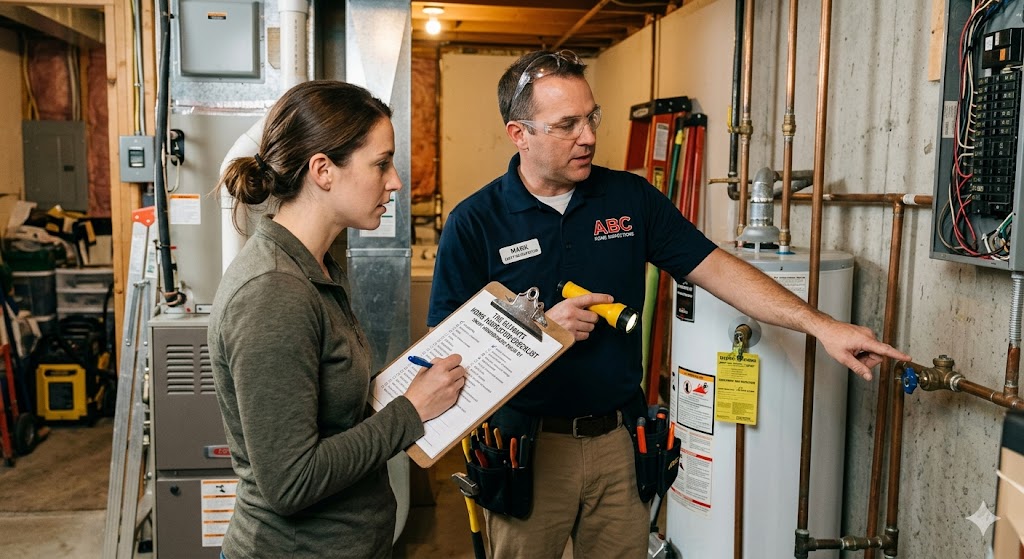
A home inspection is a comprehensive evaluation of a property's condition conducted by a certified professional. It typically occurs after an offer is accepted but before closing the deal. The inspector examines major systems such as plumbing, electrical, roofing, HVAC, foundation, and structural integrity.
Think of a home inspection as your real estate “check engine” light. It reveals potential problems, helps with negotiation, and could save you thousands in future repairs. Skipping this crucial step leaves you flying blind into what could be a money pit.
Common Issues That Only a Home Inspection Reveals
Even the most beautiful, freshly painted home can hide a host of problems. A professional inspection can detect:
- Foundation cracks or instability
- Leaking roofs or damaged shingles
- Outdated or dangerous electrical systems
- Mold, mildew, or water damage
- Pest infestations (termites, rodents)
- Plumbing leaks or corroded pipes
- HVAC system inefficiencies or failures
- Improper insulation or ventilation
Would you buy a used car without checking under the hood? Then why would you buy a house without a home inspection?
The Hidden Cost of Skipping a Home Inspection
Sure, you might save a few hundred dollars upfront by skipping the inspection—but you’re risking thousands (or tens of thousands) down the road. Let’s break this down.
Imagine buying a home and discovering:
- A roof that needs replacing for $15,000
- An outdated electrical system that costs $7,000 to rewire
- Mold remediation services starting at $2,500 and up
These are not minor issues. They are budget busters, and if discovered too late, they become your financial responsibility.
Home Inspections Give You Leverage in Negotiations
Did you know that a detailed inspection report can actually help you negotiate a better deal? If problems are found, you can:
- Request seller repairs before closing
- Ask for price reductions
- Receive credits at closing
Skipping the inspection means giving up this leverage. You’re buying “as-is” without any room to protect yourself or your wallet.
Why Radon Testing Is a Non-Negotiable
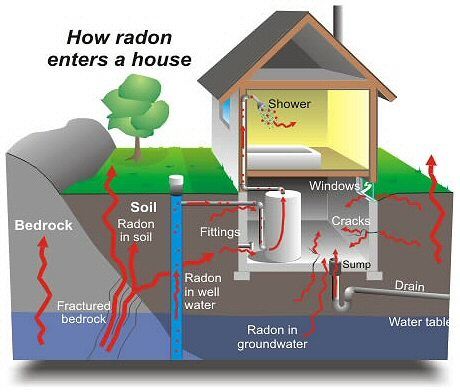
Radon gas is a naturally occurring radioactive gas that can seep into homes through foundation cracks, sump pumps, or even through the soil. It’s colorless, odorless—and the second leading cause of lung cancer in the United States, right after smoking.
Many standard home inspections do not include radon testing, so you must request it separately. The EPA recommends mitigation if radon levels are 4.0 picocuries per liter (pCi/L) or higher. And remediation systems, while effective, can cost $1,500 or more.
Skipping radon testing can be a silent, invisible threat to your health and your family’s safety.
New Construction Homes Need Inspections Too
Many buyers think, “It’s a brand-new house—what could go wrong?” A lot, actually. Even newly built homes can suffer from:
- Improperly installed HVAC systems
- Faulty wiring or incomplete electrical work
- Poor drainage or grading
- Builder shortcuts to save time or money
A home inspection ensures your newly built dream home doesn’t turn into a nightmare. Don’t assume new means perfect.
Home Inspection Contingencies: Your Escape Hatch
A home inspection contingency is a clause you add to your offer that allows you to walk away if serious issues are uncovered—or renegotiate terms. Without this clause, you could be locked into buying a problematic property.
In today’s aggressive housing market, some buyers waive this contingency to compete—but doing so puts you at immense risk. It’s like skydiving without checking your parachute.
Environmental Hazards a Home Inspection Can Reveal
Besides radon, there are other environmental dangers a home inspection might flag:
- Asbestos in older homes
- Lead paint in pre-1978 constructions
- Mold growing behind walls or under floors
- Carbon monoxide risks from gas appliances
These aren’t just inconvenient—they’re potentially life-threatening. Wouldn’t you rather know before you move in?
Who Pays for the Home Inspection—and Is It Worth It?
Typically, the buyer pays for the inspection, and costs range from $300 to $600, depending on the size and location of the home. Optional add-ons like radon testing, sewer scoping, or termite inspections may cost extra.
But let’s put that in perspective:
- A $500 inspection that helps you avoid a $20,000 roof replacement? That’s not a cost—it’s a bargain.
- Radon testing for $150? That’s cheap insurance for your health.
Spending a little now can save you massive amounts later.
How to Choose a Reliable Home Inspector
Not all inspectors are created equal. When hiring one, look for:
- State licensing and certifications
- Membership in professional organizations (like ASHI or InterNACHI)
- Strong reviews and referrals
- Sample inspection reports (to see how detailed they are)
- Whether they offer radon, mold, or sewer line testing
Hiring a seasoned inspector is an investment in peace of mind. Don’t pick one based on price alone—experience and thoroughness matter most.
Homebuyers Share Their Regrets: Real Stories of Skipped Inspections
Still think you don’t need an inspection? Here are real-life examples:
- “We waived the inspection to beat other offers. Two months in, we discovered a cracked foundation and had to pay $18,000 for repairs.”
- “I didn’t test for radon. A year later, my family tested positive for high levels. It was terrifying.”
- “We bought a flipped house with new paint and floors. The inspection would’ve shown us the hidden plumbing disasters behind the walls.”
These aren’t rare cases—they’re common, and they’re completely avoidable.
The Peace of Mind You Can’t Put a Price On
Buying a home is one of the biggest investments of your life. Why gamble with something so significant?
A home inspection:
- Arms you with knowledge
- Saves you from unexpected expenses
- Protects your health and safety
- Gives you negotiating power
- Let's you walk away if things don’t look good
There’s no such thing as being too cautious when it comes to real estate.
Conclusion: The Real Cost of Skipping a Home Inspection
In the rush to buy your dream home, skipping a home inspection might feel like a shortcut, but it’s a dangerous detour. From structural issues and pest infestations to hidden health risks like radon, what you don’t know can hurt you—and your wallet.
For just a few hundred dollars, a home inspection provides clarity, confidence, and protection. It can make or break your investment, your peace of mind, and even your long-term health.
So before you sign that dotted line, ask yourself: Is saving a few bucks today worth risking everything tomorrow?
The answer is simple: Get the inspection. Every time. And don’t forget to test for radon, visit Indianapolis Radon Mitigation to take that critical next step in protecting your new home.
Buying or maintaining a home is one of the biggest investments you’ll ever make. While a property may appear flawless during a walkthrough, hidden issues can quickly turn your dream home into a fin