When you attend a concert, festival, or major public gathering, the excitement is high—but so is the potential for unexpected situations. That’s where professional event security teams come in. Trained to handle emergencies swiftly and efficiently, these teams play a vital role in keeping everyone safe. Let’s explore how event security teams manage real-life emergencies, from medical incidents to public disturbances.
1. Medical Emergencies
One of the most common emergencies at large events is a medical issue. Whether it’s heat exhaustion, dehydration, or an injury, security personnel are trained in basic first aid and CPR. For example, during a summer music festival, a concertgoer fainted due to heatstroke. Security staff quickly cleared the area, administered aid, and coordinated with on-site medical teams to ensure the individual received proper treatment. Their fast response likely prevented a more serious situation.
2. Crowd Control and Panic Situations
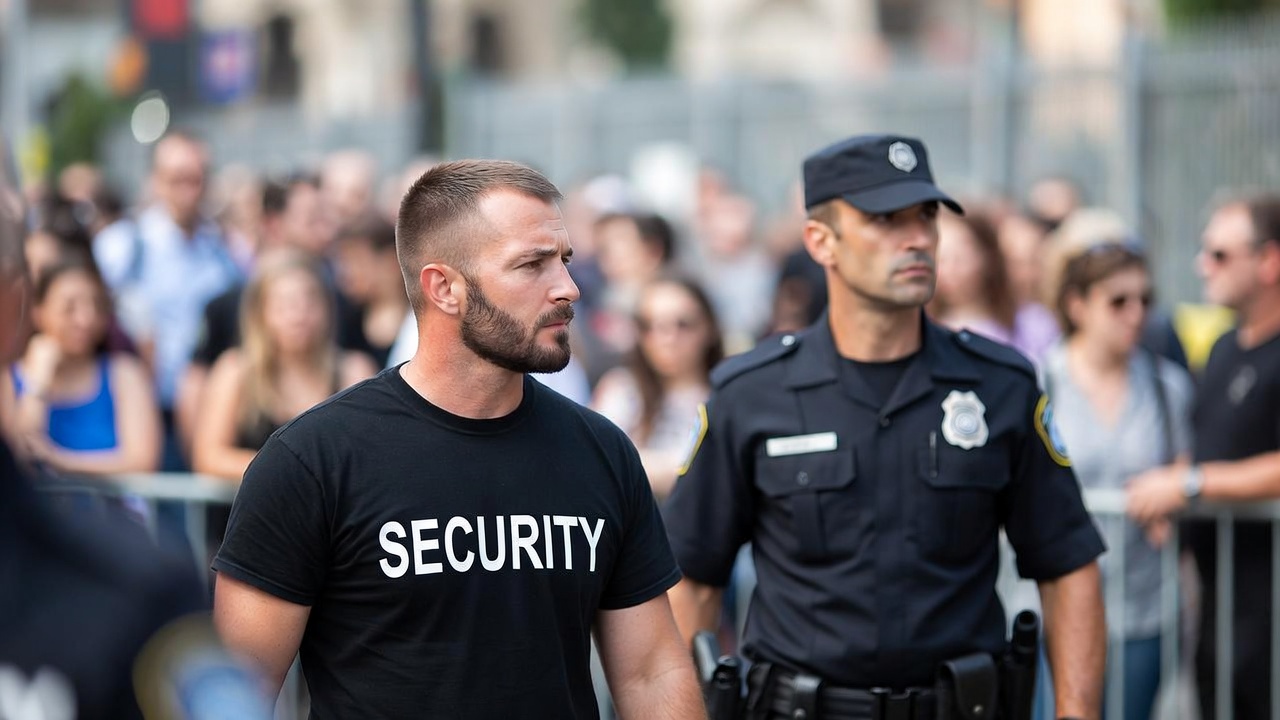
Large crowds can quickly become dangerous if panic sets in. Event security teams undergo crowd management training to prevent stampedes and maintain order. A real-life example occurred at a popular sporting event where a loud, unexpected noise triggered fear among attendees. Security acted immediately—calming the crowd, guiding people to exits in a controlled manner, and confirming there was no real threat. Their calm presence helped prevent injuries and chaos.
3. Fire or Hazardous Incidents
In emergencies like a fire or chemical spill, time is critical. Security teams are briefed on emergency evacuation procedures and communication protocols. At an indoor convention, a small fire broke out in a vendor booth. Security immediately activated the alarm, evacuated the section, and contacted local fire services. Their preparedness ensured a quick response and minimized potential damage or injuries.
4. Dealing with Disruptive Individuals
Disruptive or aggressive behavior can escalate if not handled properly. Security personnel are trained in de-escalation tactics to manage these situations calmly and professionally. For instance, at a community event, an intoxicated individual began acting aggressively toward others. Security quickly intervened, separated the person from the crowd, and escorted them away from the venue without incident. Their approach ensured the safety of everyone nearby.
5. Coordinated Communication
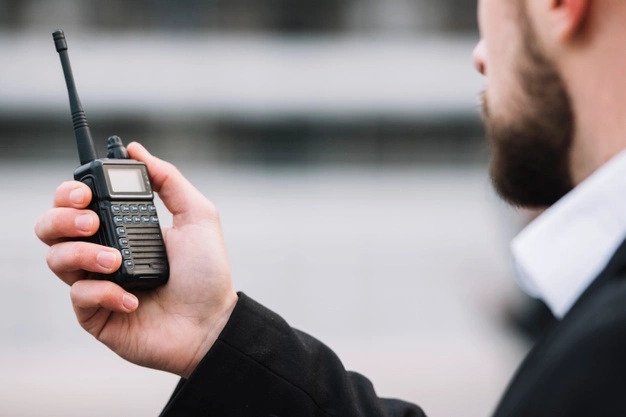
Effective emergency handling depends heavily on seamless communication. Security teams use radios, mobile apps, and established protocols to keep in constant contact. Real-time updates ensure that all team members and emergency services are informed and ready to respond.
Conclusion
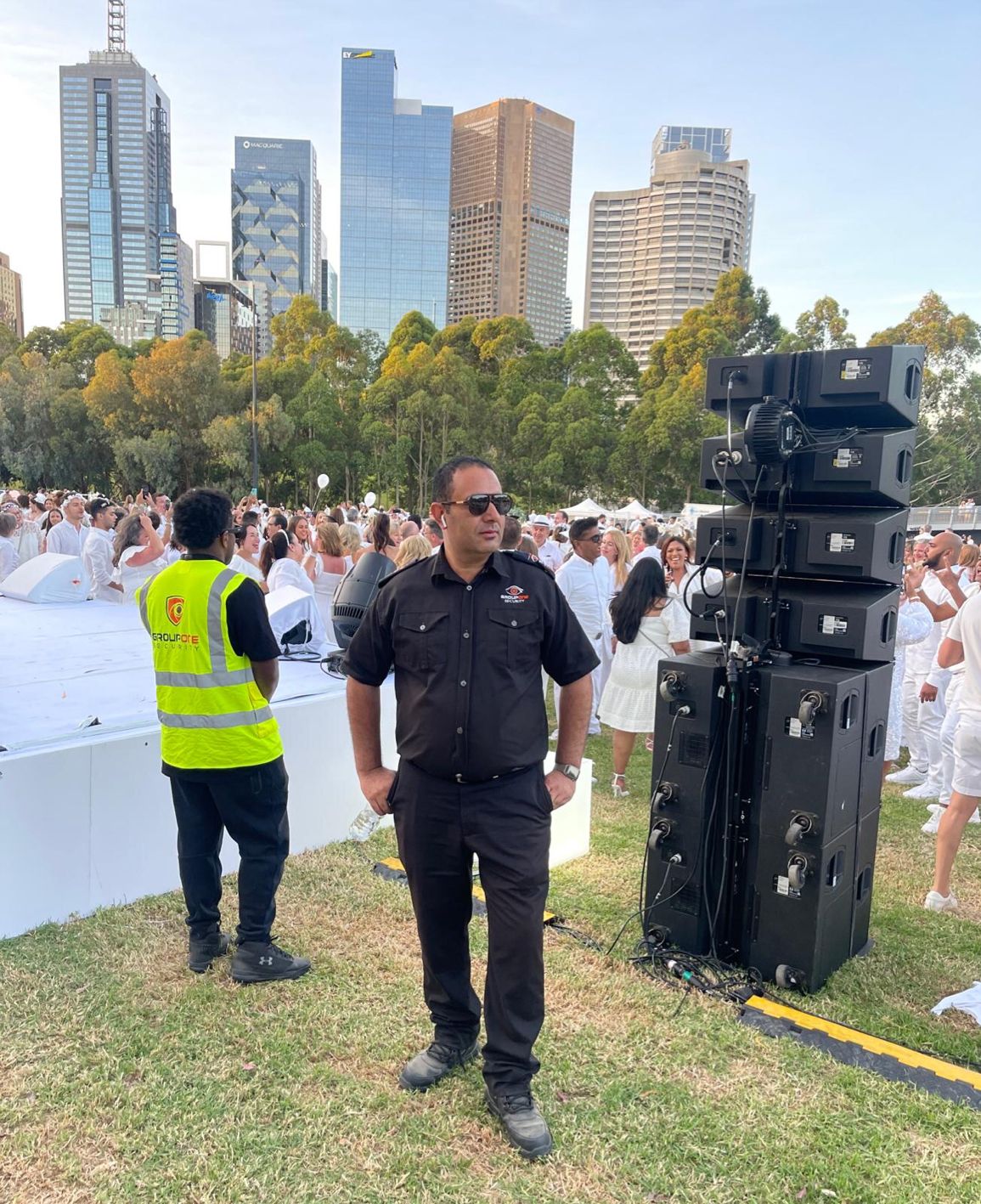
Event security in Melbourne isn’t just about watching crowds—it’s about being prepared for the unexpected. With the right training and fast, coordinated responses, security teams protect lives and ensure that events remain safe and enjoyable for everyone.