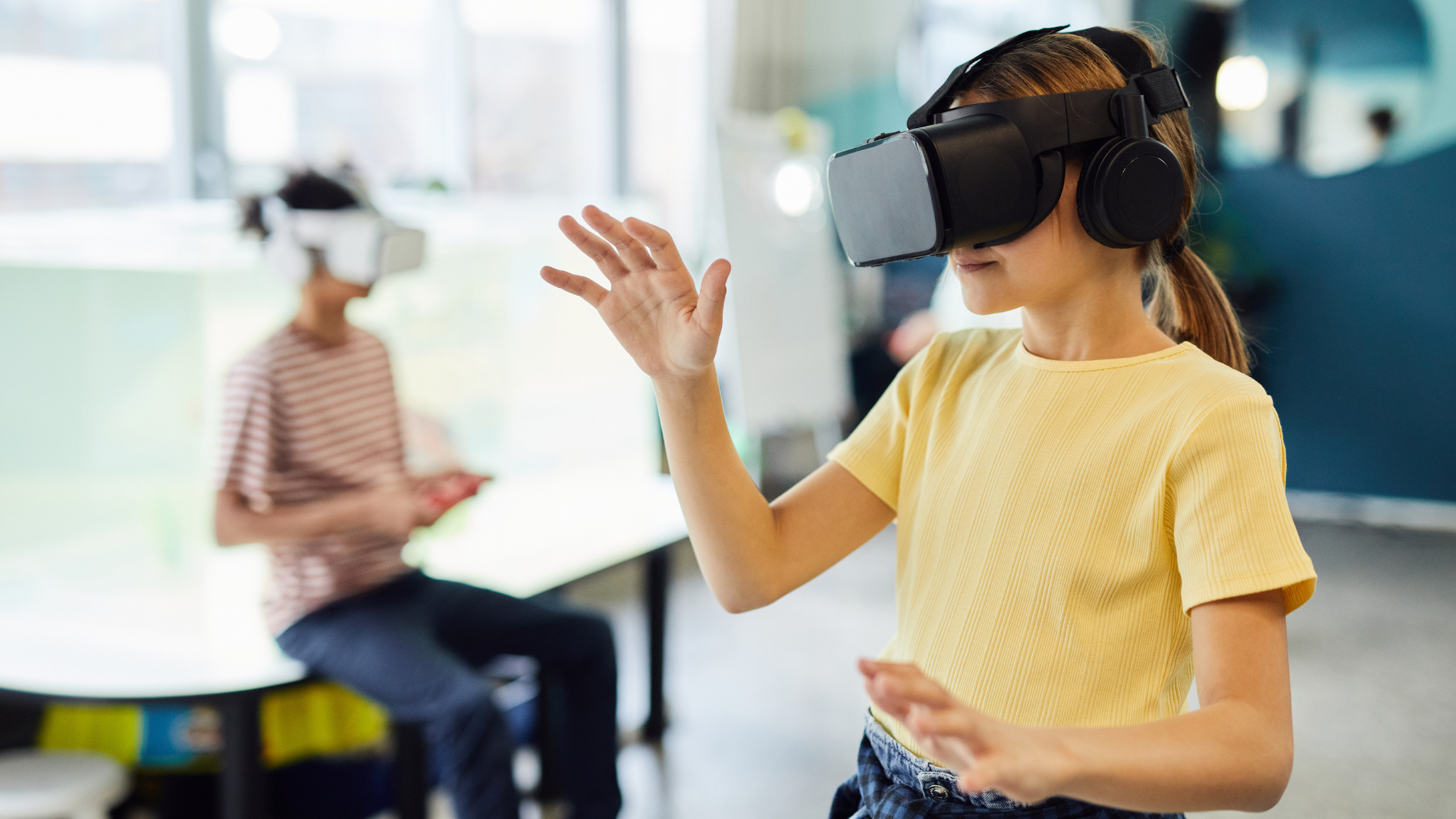


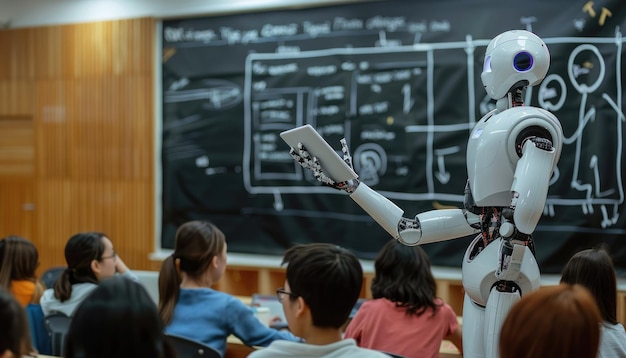
Artificial Intelligence (AI) isn’t the future of education it’s already here, and its wave of transformation continues to grow stronger, touching everything from everyday classroom activities to high-level policy decisions across the globe. Whether you’re a curious educator, an ambitious policymaker, or a parent intrigued by the shifting landscape, understanding how AI is reshaping classrooms and global education policies is essential. Let’s embark on this insightful journey together, considering all the opportunities, challenges, and changes AI brings to the world of learning.
The Dawn of AI in Modern Classrooms
Imagine a classroom ten years ago. Chalk on a blackboard, rows of desks, and a teacher trying to keep pace with every student’s needs. Fast-forward to today, and the scene is pleasantly different. Teachers can now rely on AI-powered tools to track student progress, personalize lessons, and even automate tedious administrative tasks. These changes aren’t just cosmetic they’re fundamentally altering the way education operates.
AI’s impact in the classroom is most noticeable in personalized learning. Picture a student struggling with fractions. Instead of falling behind, AI-driven platforms adapt, providing additional exercises and tailored feedback to bridge the gap. Meanwhile, top performers receive challenging material to keep them motivated. This dynamic adjustment fosters confidence in students and reduces the achievement gap. Educators, relieved of part of the routine workload, gain valuable time to focus on creative teaching and one-on-one interactions.
Policy Changes Driven by Technology
Education policies aren’t static, they evolve in response to the world’s needs. As AI technologies proliferate, policymakers are compelled to design frameworks that ensure equitable access and responsible use. Many countries are introducing guidelines that advocate for the ethical implementation of AI, prioritizing student privacy while ensuring that digital resources reach even remote, underserved regions.
The process of developing new policies is, however, anything but straightforward. Policymakers are constantly balancing the incredible benefits of AI with the need to address risks like bias in algorithms, data security, and job displacement. The emphasis is now on training teachers and administrators to use AI tools effectively, so the promise of technology translates into actual learning improvements for all.
Transforming Assessment and Feedback
Standardized testing has long been criticized for measuring memory rather than true understanding. Enter AI-powered assessment, which can evaluate open-ended responses, project-based work, and even soft skills like critical thinking or teamwork. This shift towards a more comprehensive evaluation system gives educators a richer picture of student growth, far beyond what multiple-choice tests could reveal.
Moreover, students benefit from instant, constructive feedback. No longer waiting weeks for graded papers, they receive suggestions for improvement in real time. This approach encourages a growth mindset, urging learners to view education as a continuous journey rather than a series of high-stakes hurdles.

Making Classrooms More Inclusive
AI’s reach extends to supporting students with special needs. Speech recognition tools help those with reading difficulties, while sensory-friendly environments can be customized for learners with autism. Translation applications break language barriers, bringing global content to local classrooms at the click of a button. These innovations ensure that education is no longer one-size-fits-all and that every child has the opportunity to thrive.
Inclusivity goes hand-in-hand with access, and here too, policy changes play a crucial role. Governments and institutions look to bridge the digital divide by financing smart classrooms and deploying edtech solutions. For instance, several initiatives globally are ensuring that even rural students aren’t left out of the AI revolution, providing them with the tools to participate in a rapidly changing world.
The Importance of Ethical Considerations
As AI becomes deeply integrated into classrooms, ethical questions abound. How personal is too personal when it comes to data usage? Who is responsible if an algorithmic recommendation goes wrong? The entire educational ecosystem from teachers to policymakers must remain vigilant, striving for transparency and fairness.
Thoughtful policymakers are now working to create robust standards that regulate how AI systems are used in schools. These standards are essential for building trust among educators, parents, and students alike. They also ensure that the benefits of AI are shared broadly, not just by those with the means to access the latest technology.
Lifelong Learning and the Global Stage
The changes AI brings aren’t limited to traditional school settings. As the Fourth Industrial Revolution unfolds, lifelong learning becomes non-negotiable. AI tools support this shift, offering flexible, self-paced modules that adults can use to reskill or upskill long after graduation.
On the global stage, countries are reimagining education to align with the new realities. They are collaborating on international standards, sharing best practices, and ensuring that cross-border partnerships benefit learners worldwide. If you’re looking to explore more about how AI-powered innovations are shaping education, checkout https://kahan.in/ for insights into educational technology trends and expert perspectives.
Conclusion
The intersection of AI, classrooms, and global education policies brings promise, progress, and no small measure of responsibility. As we’ve seen, artificial intelligence enhances personalized learning, makes assessments smarter, and enables more inclusive classrooms. At the same time, policymakers are stepping up to craft thoughtful regulations that keep students’ best interests at heart.
This unfolding story is not just about new gadgets or shiny software. It’s about creating richer, more meaningful educational experiences for every learner wherever they are in the world. The path forward is both exciting and uncertain, but with the right balance of innovation and ethics, AI holds the potential to unlock a brighter future for education everywhere.
Whether you’re an educator eager to embrace new strategies, a policymaker shaping the future, or simply someone passionate about learning, the transformation powered by AI is impossible to ignore. Dive deeper, stay curious, and keep an eye on how artificial intelligence will continue to set the stage for educational excellence worldwide.