

Light-emitting diode (LED) therapy has emerged as a transformative approach in dermatology and aesthetic medicine, leveraging specific wavelengths of light to address various skin conditions and promote skin health. By penetrating the skin at different depths, LED light influences cellular processes, offering therapeutic benefits for issues ranging from acne to aging. This article provides a comprehensive exploration of how different wavelengths of LED light impact human skin, their mechanisms of action, and their applications in clinical and cosmetic treatments. Understanding LED Light and Wavelengths
LED therapy involves the use of low-level light energy emitted at specific wavelengths, measured in nanometers (nm), to stimulate or regulate biological processes in the skin. Unlike ultraviolet (UV) light, which can damage skin cells, LED light is non-invasive, non-thermal, and safe when used appropriately. The therapeutic effects of LED light depend on its wavelength, which determines the depth of penetration and the type of cellular response elicited. The primary wavelengths used in LED therapy for skin treatment fall within the visible and near-infrared spectrum: Red Light (620–700 nm): Penetrates deeper into the dermis, targeting fibroblasts and stimulating collagen production. Blue Light (400–500 nm): Affects the epidermis, primarily targeting bacteria and inflammation. Near-Infrared Light (700–1200 nm): Penetrates the deepest, influencing tissue repair and reducing inflammation. Green Light (500–570 nm): Targets melanocytes, useful for pigmentation issues. Yellow/Amber Light (570–590 nm): Affects superficial layers, aiding in reducing redness and inflammation. Each wavelength interacts with specific chromophores (light-absorbing molecules) in the skin, such as hemoglobin, melanin, or cytochrome c oxidase, to produce targeted therapeutic outcomes. Mechanisms of Action
LED light therapy operates on the principle of photobiomodulation, where light energy is absorbed by cells to modulate physiological processes. The key mechanisms include: Stimulation of Cellular Energy: Red and near-infrared light are absorbed by cytochrome c oxidase in mitochondria, enhancing ATP (adenosine triphosphate) production. This boosts cellular energy, promoting repair and regeneration. Reduction of Inflammation: Certain wavelengths, particularly yellow and near-infrared, downregulate pro-inflammatory cytokines, reducing redness and swelling in conditions like rosacea or post-procedure recovery. Antibacterial Effects: Blue light targets porphyrins produced by Propionibacterium acnes (now Cutibacterium acnes), a bacterium implicated in acne. The light activates porphyrins, generating reactive oxygen species (ROS) that destroy the bacteria. Regulation of Pigmentation: Green light influences melanocytes, reducing melanin production to address hyperpigmentation or uneven skin tone. Collagen and Elastin Synthesis: Red light stimulates fibroblasts to produce collagen and elastin, improving skin firmness and reducing wrinkles.
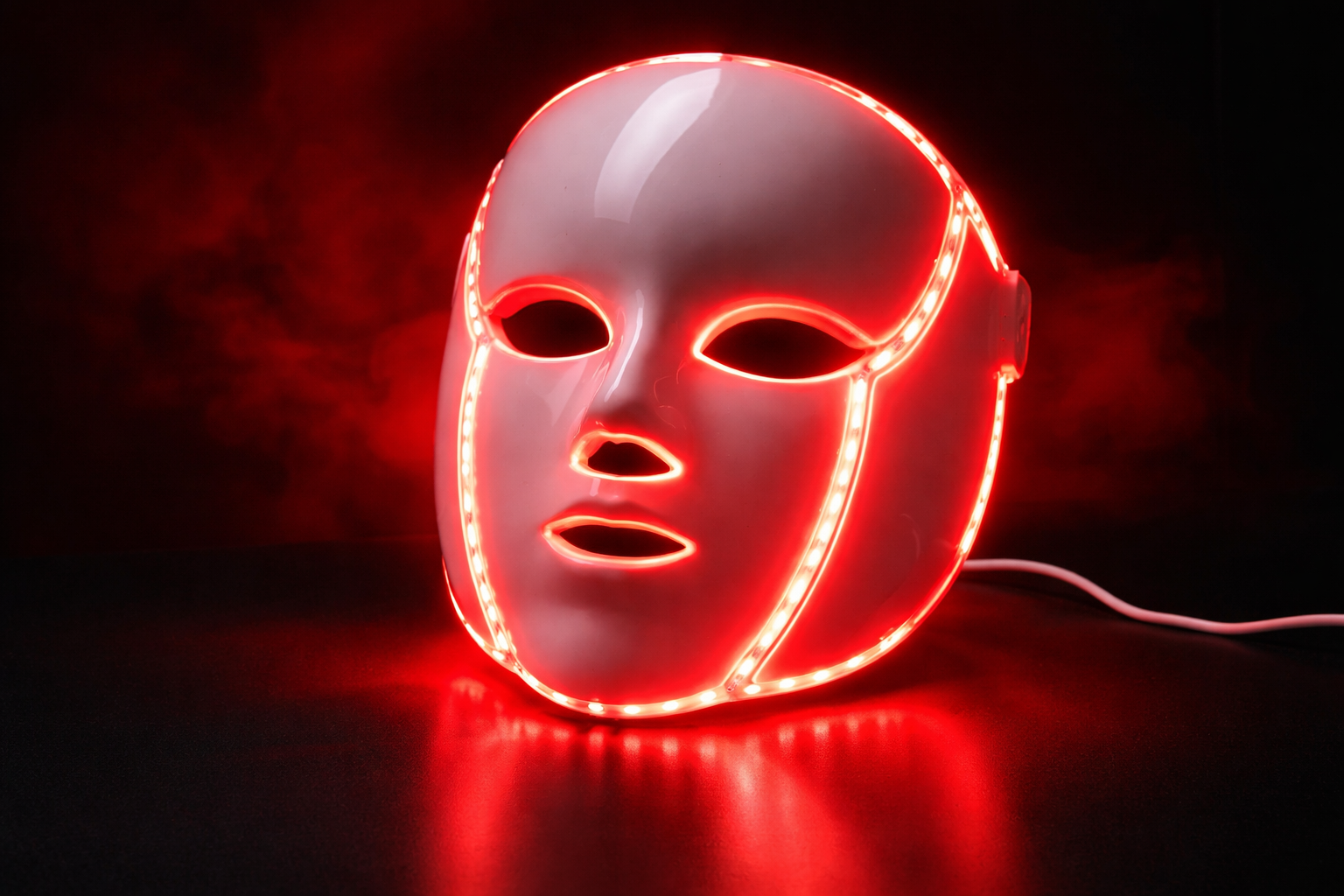
These mechanisms make LED light therapy face mask versatile for addressing both medical and cosmetic skin concerns. Impact of Specific Wavelengths on Human Skin
1. Blue Light (400–500 nm) Penetration: Superficial, primarily affecting the epidermis. Therapeutic Effects: Acne Treatment: Blue light at approximately 415 nm is highly effective against acne due to its antibacterial properties. It targets C. acnes bacteria, reducing lesion count and inflammation. Studies, such as one published in the Journal of Dermatological Science (2018), have shown that blue light therapy reduces inflammatory acne lesions by up to 60% after 8–12 sessions. Oil Regulation: Blue light may reduce sebum production, aiding in oil control for acne-prone skin. Considerations: Prolonged exposure to blue light can cause mild dryness or photosensitivity in some individuals. Protective eyewear is recommended during treatment to prevent retinal strain. Applications: Acne vulgaris, oily skin, and mild inflammatory conditions.
2. Red Light (620–700 nm) Penetration: Reaches the dermis, affecting fibroblasts and deeper tissues. Therapeutic Effects: Anti-Aging: Red light at 630–660 nm stimulates collagen and elastin production, reducing fine lines and wrinkles. A 2020 study in Photomedicine and Laser Surgery reported a 20–30% improvement in skin elasticity after 12 weeks of red LED therapy. Wound Healing: Enhances tissue repair by increasing fibroblast activity and angiogenesis, making it effective for post-surgical recovery or scar reduction. Anti-Inflammatory: Reduces redness and swelling, beneficial for conditions like eczema or psoriasis. Considerations: Red light is generally well-tolerated but requires consistent sessions for optimal results. Applications: Anti-aging, scar reduction, wound healing, and inflammatory skin conditions.
3. Near-Infrared Light (700–1200 nm)
Penetration: Deepest penetration, reaching subcutaneous tissues. Therapeutic Effects: Deep Tissue Repair: Near-infrared light at 800–850 nm promotes healing in deeper tissues, aiding in the recovery of burns, ulcers, or surgical wounds. Pain and Inflammation Reduction: Modulates inflammatory pathways, making it effective for chronic inflammatory conditions. Skin Rejuvenation: Enhances overall skin health by improving circulation and cellular metabolism. Considerations: Requires higher-powered devices for effective penetration, and overuse may cause mild heating in sensitive skin. Applications: Chronic wounds, deep scars, and skin rejuvenation.
4. Green Light (500–570 nm)
Penetration: Affects the epidermis and upper dermis. Therapeutic Effects: Hyperpigmentation: Green light at around 532 nm reduces melanin production, helping to fade dark spots and melasma. A 2019 study in Dermatologic Therapy found green light therapy improved melasma severity by 25–40% after 10 sessions. Calming Effect: Soothes irritated skin and reduces redness, beneficial for sensitive skin types. Considerations: Less studied than red or blue light, but safe and effective for pigmentation concerns. Applications: Melasma, hyperpigmentation, and post-inflammatory erythema. 5. Yellow/Amber Light (570–590 nm) Penetration: Superficial, targeting the upper dermis. Therapeutic Effects: Redness Reduction: Yellow light at 590 nm calms inflamed skin and reduces redness, making it ideal for rosacea or post-procedure recovery. Lymphatic Drainage: Improves circulation and lymphatic flow, reducing puffiness. Considerations: Often used in combination with other wavelengths for synergistic effects. Applications: Rosacea, facial flushing, and post-treatment recovery. Clinical and Cosmetic Applications LED light therapy is used in both clinical dermatology and aesthetic settings. Common applications include: Acne Management: Blue light is a cornerstone of acne treatment, often combined with red light to reduce inflammation and promote healing. Devices like the Omnilux Clear-U have been FDA-cleared for acne treatment. Anti-Aging and Skin Rejuvenation: Red and near-infrared light are widely used in anti-aging protocols to improve skin texture, reduce wrinkles, and enhance firmness. Professional systems like the Celluma Pro are popular in aesthetic clinics. Wound Healing and Scar Reduction: Red and near-infrared light accelerate healing in post-surgical scars, burns, and chronic wounds, as seen in devices like the LightStim for Wounds. Pigmentation Disorders: Green light therapy is gaining traction for treating melasma and post-inflammatory hyperpigmentation, particularly in darker skin types where laser treatments may pose risks. Rosacea and Sensitive Skin: Yellow and red light reduce redness and sensitivity, offering relief for rosacea patients and those with reactive skin. Safety and Side Effects LED therapy is considered safe for most skin types, with minimal side effects. Key considerations include: Minimal Downtime: Unlike laser treatments, LED therapy is non-ablative and requires no recovery time. Side Effects: Rare, but may include mild redness, dryness, or temporary sensitivity, particularly with blue light. Contraindications: Avoid in patients with photosensitivity disorders (e.g., lupus) or those taking photosensitizing medications (e.g., isotretinoin). Consult a dermatologist for personalized advice. Eye Protection: Protective goggles are recommended to prevent eye strain, especially with blue or high-intensity light. Home vs. Professional Devices LED therapy is available through professional treatments and at-home devices: Professional Devices: High-powered systems like Omnilux or Dermalux deliver precise wavelengths and intensities, offering faster results. Treatments typically cost $50–$150 per session, with 6–12 sessions recommended. Home Devices: Devices like the Dr. Dennis Gross SpectraLite FaceWare Pro or LightStim for Wrinkles are convenient but less powerful. They are suitable for maintenance but may require longer treatment times (e.g., 10–20 minutes daily). Cost-Effectiveness: Home devices (priced $100–$500) are cost-effective for long-term use, while professional treatments offer immediate, intensive results. Scientific Evidence and Limitations Numerous studies support LED therapy’s efficacy: A 2017 meta-analysis in Lasers in Medical Science confirmed red and blue light therapy’s effectiveness for acne and skin rejuvenation. A 2021 study in Photodermatology, Photoimmunology & Photomedicine demonstrated near-infrared light’s role in wound healing. However, limitations exist: Consistency Required: Results often require multiple sessions over weeks or months. Variable Efficacy: Outcomes depend on device quality, wavelength accuracy, and treatment adherence. Limited Penetration: LED light cannot address deep structural issues like severe scarring or subcutaneous fat. Future Directions Advancements in LED technology are expanding its applications: Combination Therapies: Integrating LED with microneedling or platelet-rich plasma (PRP) enhances outcomes for anti-aging and scar treatment. Personalized Protocols: AI-driven devices may tailor wavelengths and intensities to individual skin types and conditions. Broader Applications: Research is exploring LED therapy for hair regrowth, eczema, and even mental health conditions like seasonal affective disorder.
Conclusion
LED light therapy offers a versatile, non-invasive approach to treating a wide range of skin conditions, from acne and hyperpigmentation to aging and chronic wounds. By harnessing specific wavelengths—blue for acne, red for rejuvenation, near-infrared for deep repair, green for pigmentation, and yellow for redness reduction—LED therapy targets cellular processes with precision. Its safety, minimal side effects, and accessibility via both professional and home devices make it a valuable tool in dermatology and aesthetics. As research and technology advance, LED therapy’s role in skin health is poised to grow, offering personalized and effective solutions for diverse skin concerns. For those interested in exploring LED therapy, consult a dermatologist to determine the best wavelength and protocol for your skin type and condition. Whether used alone or in combination with other treatments, LED light therapy illuminates the path to healthier, more radiant skin.


Carefully select a health care plan.
Stylios Trachanas is here to help you in choosing the best health plan for you.
He is a health care professional and provides various services to their inhabitants.
The primary purpose of Stylios is to increase the quality of life by boost health.
Stylios Trachanas treat their individuals, advice them, and take care of their physical health as well as the mental health of inhabitants.