

Understanding Photo Editing Software: The Backbone of Real Estate Photo Editing
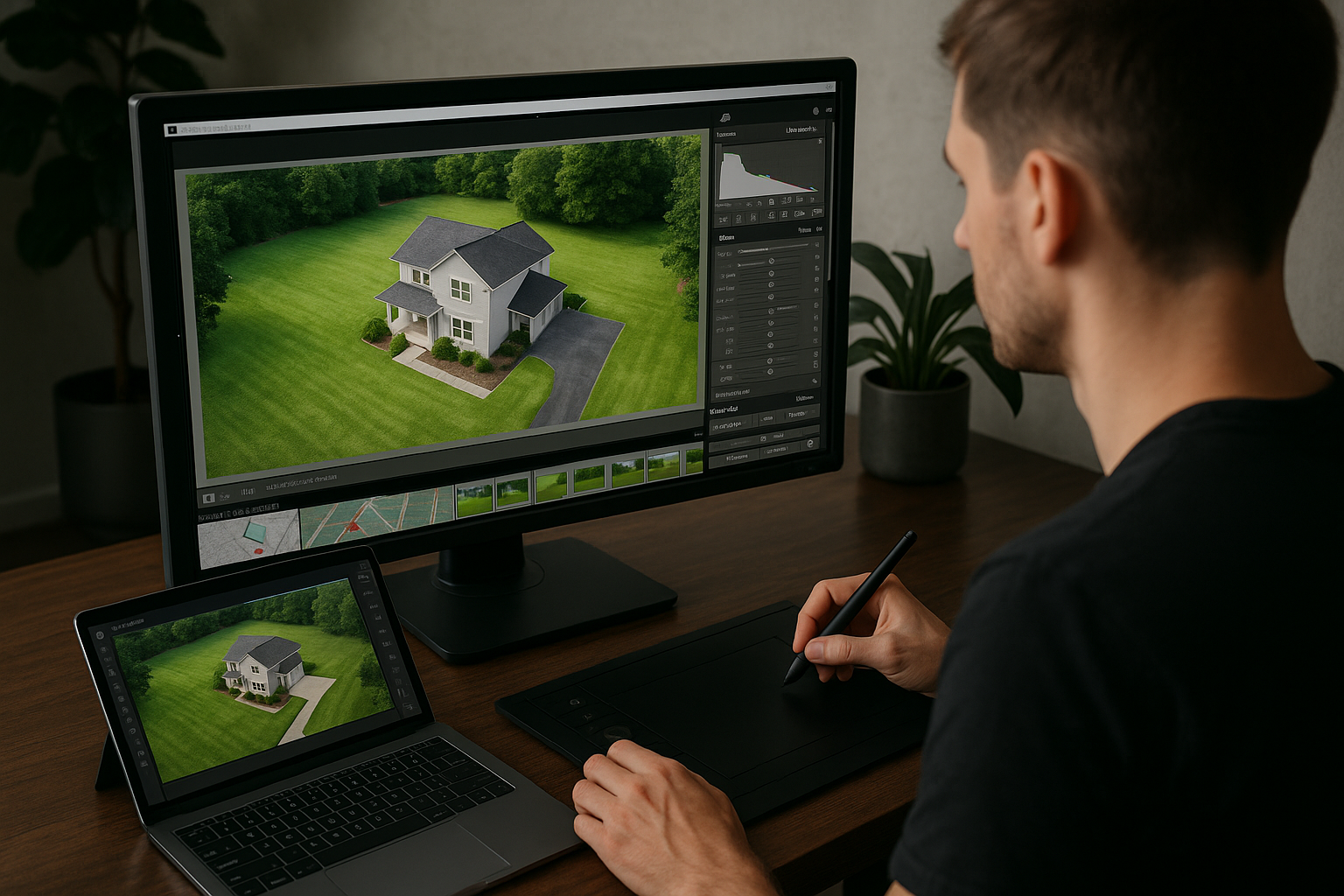
In the realm of real estate photo editing, the choice of software plays a pivotal role in determining the quality and impact of the final images. With a plethora of options available, selecting the right software tailored to your needs can significantly enhance your editing capabilities. Popular software such as Adobe Photoshop, Lightroom, and CorelDRAW offer robust features that cater specifically to real estate photography. These platforms provide tools for color correction, exposure adjustment, and image enhancement, ensuring that property images are presented in their best light.
Adobe Photoshop stands as a powerhouse in photo editing, offering advanced capabilities for detailed retouching and manipulation. Its layers and masks feature allows for precise edits, making it ideal for real estate photo editors who require meticulous adjustments. Lightroom, on the other hand, excels in batch processing and workflow efficiency, making it a favorite among photographers who need to edit large volumes of images quickly. CorelDRAW, with its vector-based editing, provides unique advantages for creating floor plans and other graphic elements that complement real estate listings.
Choosing the right software involves considering factors such as ease of use, compatibility with your existing workflow, and the specific features that align with your editing goals. Investing time in mastering your chosen software will pay dividends in the quality of your real estate photography. Additionally, exploring plugins and extensions can further enhance the functionality of these software platforms, enabling editors to streamline their processes and achieve more sophisticated results.
Understanding the nuances of each software's capabilities is crucial for maximizing their potential. For instance, mastering Photoshop's advanced retouching tools can allow editors to seamlessly remove imperfections and enhance property features, while utilizing Lightroom's presets can expedite the editing process without compromising quality. The integration of artificial intelligence in photo editing software is also revolutionizing the industry, offering automated solutions for complex tasks and empowering editors to focus on creative aspects.
The Art of Real Estate Photography: Capturing Spaces with Precision
Real estate photography is an art form that requires a keen eye for detail and an understanding of spatial dynamics. The goal is to capture images that not only showcase the physical attributes of a property but also evoke a sense of lifestyle and potential. To achieve this, photographers must consider composition, lighting, and perspective.
Composition is crucial in real estate photography as it guides the viewer's eye and highlights the property's best features. Techniques such as the rule of thirds, leading lines, and framing can be employed to create visually appealing images. Lighting, both natural and artificial, plays a significant role in setting the mood and enhancing the property's ambiance. Photographers often use techniques like HDR (High Dynamic Range) to balance light and shadow, ensuring that details are visible in both bright and dark areas.
Perspective is another critical element, as it influences how spaces are perceived. Wide-angle lenses are commonly used to capture expansive views, making rooms appear larger and more inviting. However, it's essential to avoid distortion that can misrepresent the property's dimensions. Mastery of real estate photography involves understanding these elements and using them to create compelling images that resonate with potential buyers.
Furthermore, the ability to adapt to various property types and styles is essential for real estate photographers. Whether capturing the charm of a historic home or the sleek design of a modern apartment, photographers must tailor their approach to highlight the unique features of each property. This adaptability not only enhances the visual appeal of the images but also ensures that they align with the marketing goals of the real estate agents and sellers.
In addition to technical skills, real estate photographers must possess a deep understanding of the market trends and buyer preferences. By staying informed about the latest design and architectural styles, photographers can anticipate the elements that will attract potential buyers and incorporate them into their work. This strategic approach to real estate photography can significantly enhance the effectiveness of marketing campaigns and boost property sales.
Real Estate Photo Editing Techniques: Transforming Ordinary Images into Extraordinary Visuals
Once the images are captured, real estate photo editing takes center stage in transforming them into extraordinary visuals. This process involves several techniques that enhance the property's appeal and ensure the images are aligned with marketing objectives.
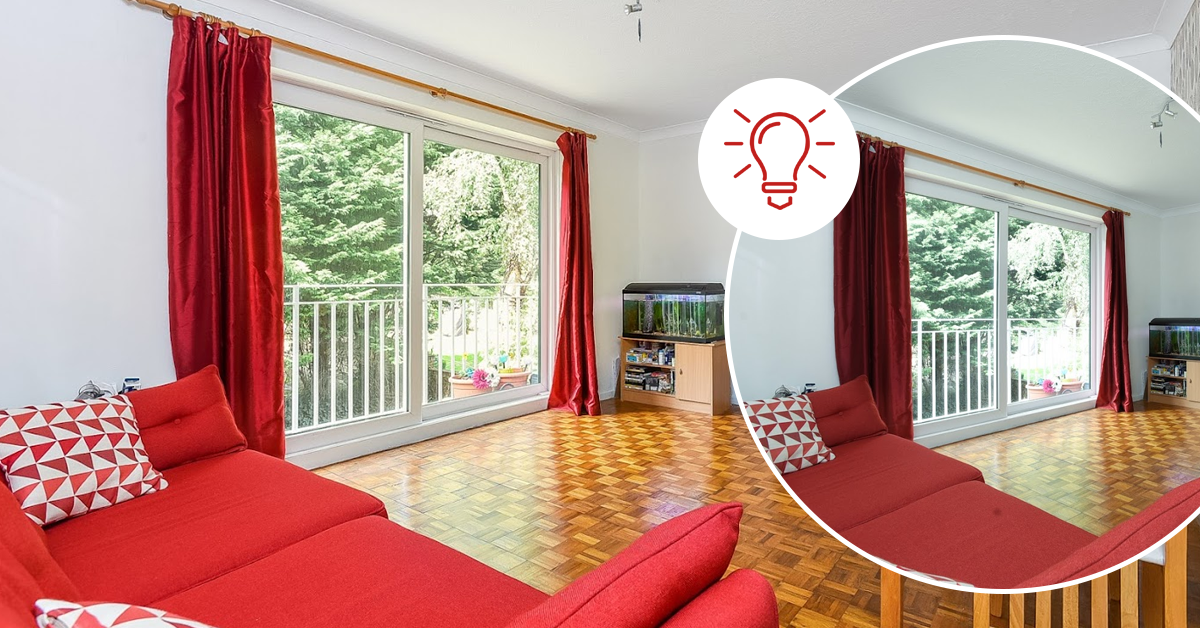
Color correction is a fundamental aspect of photo editing, as it adjusts the image's color balance to reflect the property's true colors. This technique can correct issues such as color casts caused by artificial lighting or incorrect camera settings. Exposure adjustment is also crucial, as it ensures that the image is neither too dark nor too bright, maintaining detail across all areas.
Image enhancement techniques such as sharpening and noise reduction are employed to refine the image's clarity and quality. Removing distractions, such as clutter or imperfections, is another important step in real estate photo editing. This can involve retouching elements like furniture, fixtures, or even landscaping to present a clean and appealing view.
Virtual staging is a powerful tool in real estate photo editing, allowing editors to digitally furnish vacant properties. This technique helps potential buyers visualize how spaces can be utilized, increasing the property's attractiveness. Mastering these editing techniques requires practice and an understanding of the principles of visual appeal and marketing strategy.
Advanced editing techniques, such as blending exposures and creating panoramic images, can further elevate the quality of real estate photos. Blending exposures involves combining multiple images taken at different exposure levels to achieve a balanced and detailed final image. This technique is particularly useful in challenging lighting conditions, where maintaining detail in both shadows and highlights is essential.
Creating panoramic images allows editors to capture expansive views of large properties or outdoor spaces, providing potential buyers with a comprehensive understanding of the property's layout and surroundings. This technique requires precision and attention to detail to ensure seamless stitching and alignment of images.
Moreover, the use of drone photography and editing is becoming increasingly popular in real estate marketing. Drones offer a unique perspective, capturing aerial views that showcase the property's exterior and location. Editing drone images involves adjusting angles, correcting distortions, and enhancing colors to create stunning visuals that captivate buyers.
Building a Career as a Real Estate Photo Editor: Navigating the Path to Success
For those aspiring to build a career in real estate photo editing, understanding the industry landscape and honing essential skills is paramount. The demand for high-quality real estate images continues to grow, driven by the competitive nature of the property market and the importance of visual content in marketing strategies.
A successful real estate photo editor must possess a strong foundation in photography and editing techniques, coupled with an understanding of real estate marketing principles. Developing a portfolio that showcases your skills and versatility is crucial in attracting clients and establishing your reputation in the industry.
Networking with real estate agents, photographers, and marketing professionals can open doors to opportunities and collaborations. Staying updated with industry trends and technology advancements ensures that your skills remain relevant and competitive. Continuous learning, through workshops, online courses, or mentorship, can further enhance your expertise.
Building a career as a real estate photo editor involves dedication, creativity, and a commitment to delivering exceptional visual content that meets the needs of clients and captivates potential buyers. By mastering the art and science of real estate photo editing, you can carve a niche in this dynamic field and achieve professional success.
Understanding the business aspect of real estate photo editing is equally important for career growth. This includes setting competitive pricing, managing client relationships, and marketing your services effectively. Developing business acumen can help photo editors navigate the complexities of the industry and establish a sustainable career.
Moreover, specialization in a particular niche, such as luxury real estate or commercial properties, can differentiate editors from competitors and attract specific clientele. Specialization allows editors to tailor their skills and offerings to meet the unique demands of their chosen niche, enhancing their value proposition and marketability.
Real estate photo editors should also consider expanding their services to include additional offerings, such as virtual tours, video editing, and graphic design. Diversifying services can increase revenue streams and provide clients with comprehensive solutions for their marketing needs.
Enhancing Marketing Strategy with Real Estate Photo Editing: Capturing Buyer Attention
In the competitive world of real estate, effective marketing strategies are essential for capturing buyer attention and driving sales. High-quality images are a cornerstone of these strategies, as they serve as the first impression of a property and influence buyer perceptions.
Real estate photo editing plays a critical role in enhancing marketing efforts by ensuring that images are visually appealing and accurately represent the property. Edited images can highlight the property's best features, create a sense of space and lifestyle, and evoke emotional responses from potential buyers.
Incorporating virtual tours and 360-degree images into marketing materials can further engage buyers, providing an immersive experience that allows them to explore properties remotely. Social media platforms, websites, and brochures are effective channels for showcasing edited real estate images, reaching a broad audience and generating interest.
By aligning real estate photo editing with marketing objectives, agents and marketers can create compelling visual narratives that resonate with buyers and differentiate properties in a crowded market. This strategic approach not only enhances the property's appeal but also maximizes its market potential.
Understanding the target audience is crucial for tailoring marketing strategies to meet their preferences and needs. Different demographics may have varying expectations and priorities when searching for properties, and real estate photo editors must adapt their techniques to cater to these differences.
For instance, younger buyers may be more attracted to modern design elements and innovative features, while older buyers may prioritize traditional aesthetics and functionality. By identifying these preferences, editors can create images that resonate with specific buyer segments and increase the likelihood of successful sales.
Collaborating with real estate agents and marketing teams is essential for ensuring that photo editing aligns with overall marketing strategies. Clear communication and understanding of marketing goals can help editors deliver images that effectively support promotional efforts and enhance the property's marketability.
Conclusion: Mastering Real Estate Photo Editing for Success
Mastering real estate photo editing is a journey that combines technical skills with creative vision. As the real estate market continues to evolve, the demand for high-quality, visually appealing images will only increase. By understanding the essential techniques and strategies outlined in this guide, real estate photo editors can elevate property images from ordinary to extraordinary, enhancing marketing efforts and driving sales.
Whether you're a seasoned professional or an aspiring editor, investing time in developing your skills and staying abreast of industry trends will position you for success in this dynamic field. With dedication and creativity, you can transform real estate photo editing into a rewarding career that makes a significant impact on the property market.
Continuously seeking feedback and refining your techniques is crucial for maintaining excellence in real estate photo editing. Engaging with clients and peers to gather insights and constructive criticism can provide valuable perspectives and inspire new approaches to editing.
Ultimately, the success of real estate photo editing lies in the ability to create images that captivate buyers and convey the unique qualities of each property. By combining technical expertise with artistic flair, photo editors can contribute significantly to the real estate industry's growth and prosperity.