





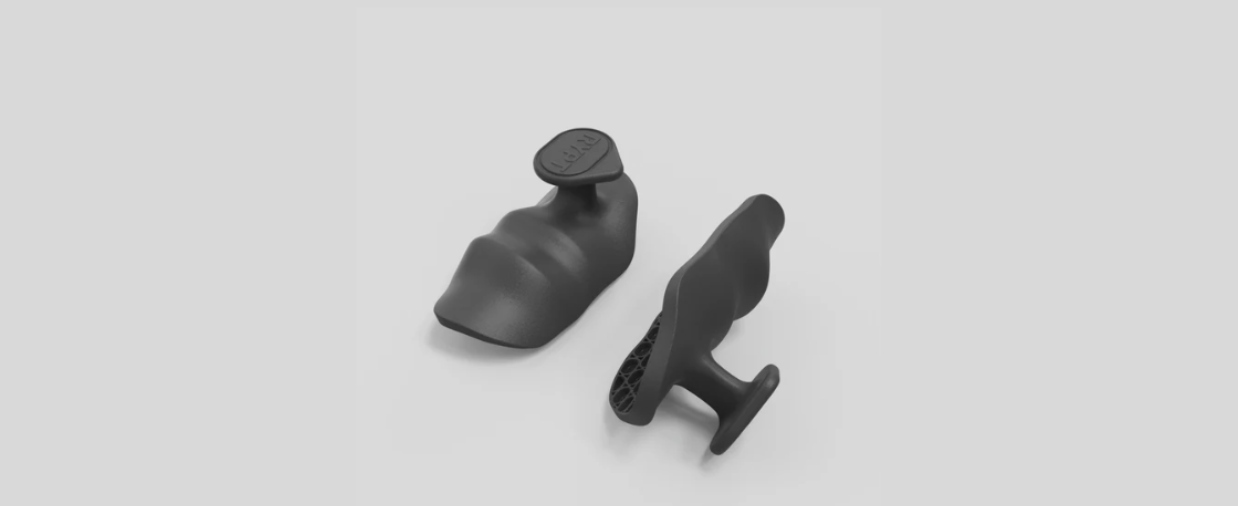
If you’re looking to get the best out of your workout routine, the right training equipment can play an instrumental role. Training grips are a revolutionary creation for all athletes and fitness enthusiasts, as they provide better grip security, hand protection, and overall performance. Whether it’s the silicone grip system or a leather workout grip, it is always important to take the material into consideration.
In this article, we’ll take a look at some of the most popular training grip materials.
Importance of Training Grip Material
The material of your training grip has an impact on everything from durability to comfort and hygiene levels. A good grip system not only offers superior grip security and hand protection but is also easy to set up and remove and resistant to sweat. The right training grip is versatile and can be used for any workout type. Along with that, it provides long-lasting durability. Now it’s time to break down the most common materials and their benefits.
Common Training Grip Materials and Their Advantages
Here are some of the most common training grip materials and how they can benefit you: 1. Neoprene: Neoprene is a synthetic rubber that is commonly seen in sports gear. It provides decent grip and cushioning. However, it has the tendency to absorb sweat, which leads to odor and wear over time. They might be easy to afford, but neoprene grips may not last as long as better-quality materials.
2. Leather: Leather training grips are traditional and offer incredible durability and comfort. They adjust to your hand over time and provide a custom fit. Despite their benefits, leather grips need to be properly maintained, can absorb sweat, and cost more than other grips.
3. Cotton/Fabric: Some training grips use cotton or fabric for a softer feel. They are lightweight and breathable but lack the durability and security that are needed for intense workouts and heavier lifting. This is why cotton or fabric training grips are ideal for beginners who perform light workouts.
4. Silicone: Silicone training grips are often considered the best for workouts. The silicone grip system enhances grip security, letting you lift heavier weights with ease. They also don’t absorb sweat, which keeps your grips hygienic and odor-free even during intense workout sessions. Silicone is highly durable and resistant to wear, making it last through countless workouts. With quick and easy setup, they are flexible and suitable for most barbells, dumbbells, and machines.
Final Thoughts
Training grips are made from plenty of materials, and each of them has its own pros and cons. But if you are serious about your training, investing your money in a silicone grip system is the wisest choice you can make. With these grips, you will experience less hand fatigue, more reps, and much better control. At the same time, your hands will always be protected from calluses and major injuries.


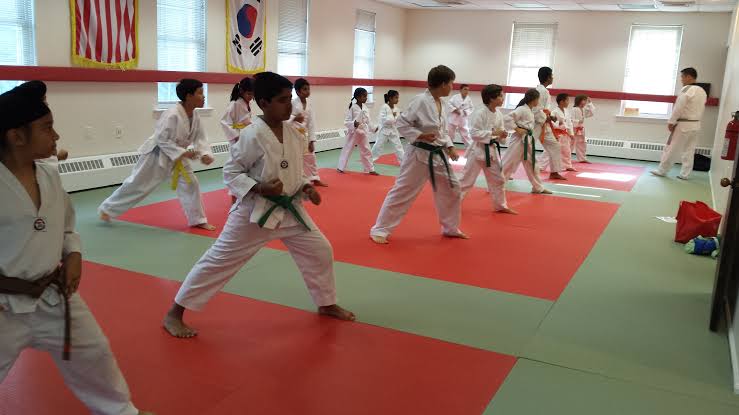
Check out the various options at Online Karate Mats Wholesaler at pocket-friendly prices.
GRIP Interlocking Kabaddi Mats have a locking system on all their edges that make them easy to assemble and disassemble as per your needs.
For more details grip.international OR you can search "GRIP" brand in Google OR call us @ 0120-4310799 | 9891907711.
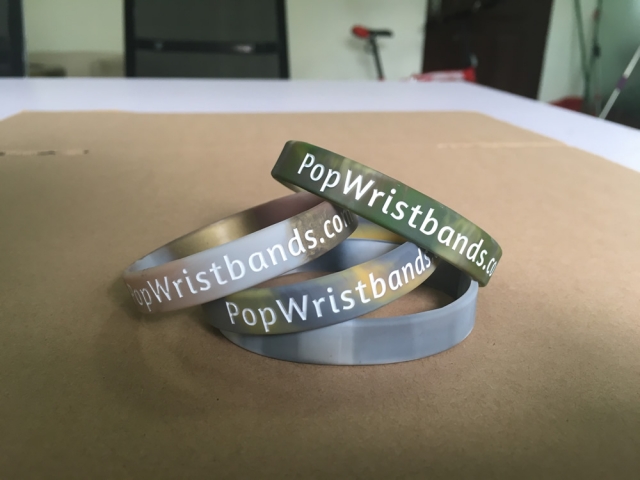
Beside silicone bracelets, we also offer printed plastic bracelets, embossed bracelets, embossed wristbands, ink-filled and much more.
All our personalized bands provide an excellent grip to your wrists.
Laced with enduring features, these bands are comfortable for regular use.