

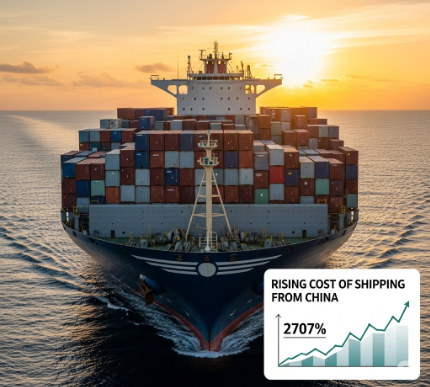
Over the past few years, global supply chains have faced unprecedented challenges. One of the most pressing concerns for businesses and importers worldwide has been the significant rise in freight prices from China. Once known for its cost-effective shipping solutions, China’s freight market has undergone dramatic changes. But what exactly is driving these price surges? In this article, we’ll explore the key factors behind the spike in freight rates, its impact on global trade, and how businesses can adapt.
1. Post-Pandemic Supply Chain Disruptions
The COVID-19 pandemic caused a global shock to supply chains. As countries locked down, manufacturing activities slowed or came to a halt. While demand for goods rebounded rapidly post-pandemic, supply chains struggled to keep pace. Chinese ports, being some of the busiest in the world, experienced backlogs, container shortages, and congestion.
Shipping companies were unable to reposition empty containers quickly enough, leading to scarcity and inflated costs. These disruptions created a ripple effect, causing freight rates to soar.
2. Increased Demand for Chinese Goods
China remains the manufacturing hub of the world. As global economies reopened, the demand for consumer goods, electronics, and medical supplies surged. Many businesses rushed to restock inventories, leading to a sharp increase in shipping demand.
With demand far exceeding supply, freight prices naturally escalated. This demand-driven price hike has particularly affected small to mid-sized importers who lack the negotiation power of larger companies.
3. Limited Container Availability
One of the most talked-about issues has been the global container shortage. After the initial pandemic wave, many containers were stranded in North America and Europe, far from Chinese export hubs.
This imbalance created a vicious cycle. Shippers in China had to wait longer for containers, and carriers began charging premium rates for priority loading. The scarcity of containers continues to be a major reason for the steep shipping rates.
4. Port Congestion and Operational Delays
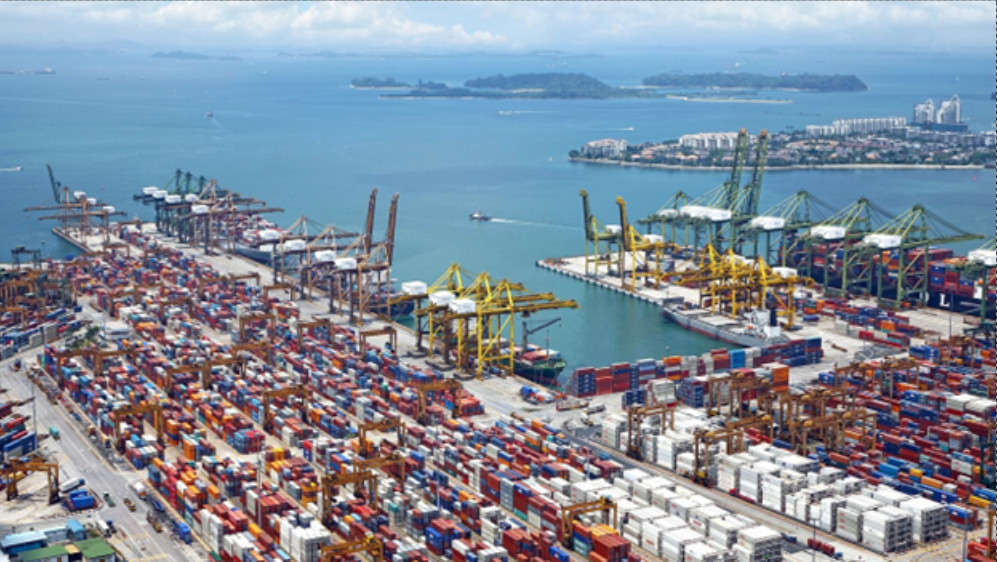
Major Chinese ports like Shanghai, Shenzhen, and Ningbo have faced congestion due to surging demand, COVID-related shutdowns, and typhoon-related disruptions. Ships often wait days or even weeks to dock, unload, and reload cargo.
These delays result in longer turnaround times, increasing operational costs for shipping companies—costs that are inevitably passed down to importers.
5. Rising Fuel and Operational Costs
Freight costs are also influenced by rising fuel prices. The cost of bunker fuel, which powers cargo ships, has seen a steady increase. Add to that the rising labor costs, port handling charges, and regulatory compliance fees in China, and it’s easy to see why overall freight expenses are climbing.
Furthermore, the global push toward environmentally friendly shipping practices has led to additional costs in terms of fuel surcharges and green compliance measures.
6. Geopolitical Tensions and Trade Policies
Ongoing geopolitical tensions, especially between China and the United States, have introduced further uncertainty. Trade tariffs, restrictions, and policy shifts have impacted freight flows and increased shipping costs.
Even small disruptions in diplomatic relations or trade agreements can create a domino effect in international logistics, influencing both costs and reliability.
7. Reduced Shipping Capacity
During the early stages of the pandemic, many shipping lines reduced capacity to cut losses. While demand has since rebounded, shipping lines have been slow to restore full capacity.
This reduced availability of vessels and sailings has led to overbooked ships and premium-rate spot bookings, further driving up prices.
8. E-commerce Boom and Amazon FBA Demand
The growth of e-commerce, particularly Amazon FBA (Fulfillment by Amazon), has fueled the demand for faster and more reliable shipping from China. Sellers looking to replenish stock quickly often opt for air freight or express ocean freight services, which command higher prices.
This shift toward speed and reliability has intensified competition for shipping slots, raising overall freight prices.
9. Seasonal Surges and Peak Periods
Freight rates typically rise during peak seasons like Chinese New Year, Golden Week, and the Q4 holiday rush. These cyclical surges have become more pronounced in recent years due to ongoing supply chain pressures.
Importers who fail to plan ahead often find themselves paying exorbitant last-minute rates just to secure space on vessels.
10. How Businesses Can Adapt
While the current freight landscape may seem daunting, there are several strategies businesses can employ:
Final Thoughts
The rise in freight prices from China is the result of a complex mix of global, regional, and industry-specific factors. From supply-demand imbalances to geopolitical tensions and evolving consumer habits, the logistics landscape is being reshaped in real-time.
While there is no single solution to these challenges, a proactive and flexible approach to logistics can help businesses navigate this new normal. Staying informed, building strong supplier relationships, and leveraging expert freight partners will be key to maintaining cost-efficiency and reliability in shipping operations.
As the industry adapts, one thing remains certain: the importance of resilient, agile supply chains has never been greater.
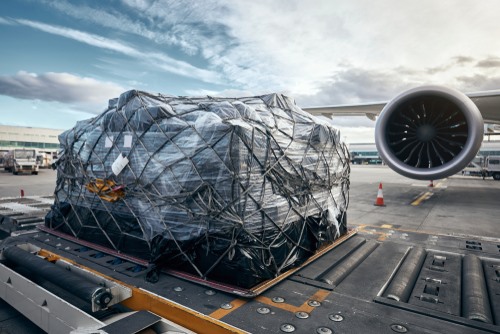
GoMax Logistics Inc. provides hazmat cargo shipping services with help of their certified packers that are well trained to recognize the all nine danger classes intended to send, rules and regulations needed to be followed, and mode of transportation.
We provide packing and shipping flammable gases and liquids from Los Angeles to its final destination with utmost safety.