Pregnancy is a time of joy, anticipation, and significant bodily changes — including those that affect your oral health. In Mt Druitt, more expectant mothers are realising the importance of prioritising dental care during pregnancy. Hormonal fluctuations, dietary cravings, and increased blood flow can all impact your gums and teeth. Left unchecked, these changes may contribute to gum disease, tooth decay, or even complications during pregnancy. Fortunately, maintaining good oral hygiene and visiting a trusted dentist Mt Druitt can help keep your smile healthy during this special time. Here are some essential oral health tips for pregnant women living in Mt Druitt and the surrounding areas.
1. Maintain a Consistent Oral Hygiene Routine
Pregnancy can leave you feeling tired, nauseous, or distracted by the many tasks at hand, but it’s important not to neglect your dental hygiene. Brushing twice daily with fluoride toothpaste and flossing once a day are crucial steps in maintaining a healthy mouth.
Morning sickness can make brushing your teeth difficult. If you experience vomiting, rinse your mouth with a mixture of water and a teaspoon of baking soda to neutralise stomach acid before brushing.
2. Be Aware of Pregnancy Gingivitis
Hormonal changes during pregnancy, particularly increased progesterone levels, can make your gums more sensitive and prone to inflammation. This condition, known as pregnancy gingivitis, is common and affects many expectant mothers. Symptoms may include swollen, red, or bleeding gums, especially when brushing or flossing.
Regular visits to a Mt Druitt oral health professional can help catch these issues early and prevent them from progressing to more severe forms of gum disease.
3. Visit Your Dentist Early in Pregnancy
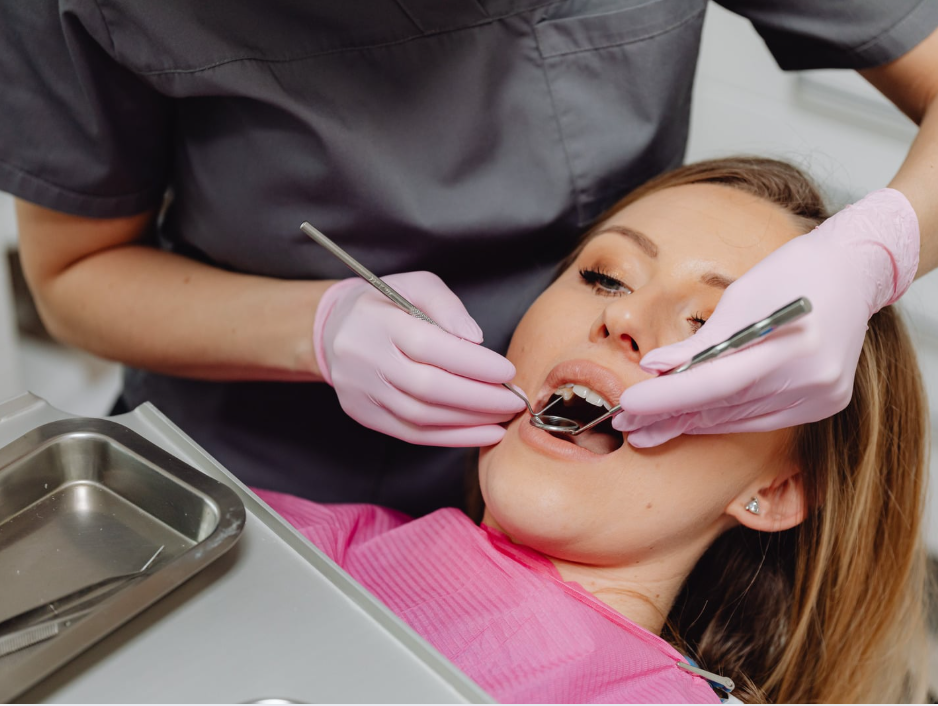
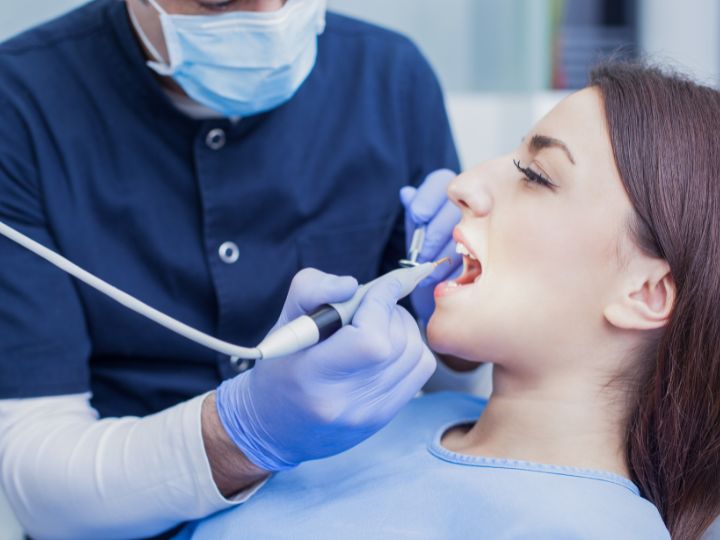
It’s safe — and encouraged — to see your dentist Mt Druitt during pregnancy. In fact, the second trimester (weeks 13 to 27) is generally considered the safest time for non-emergency dental treatments. Let your dentist know that you're pregnant, so they can tailor their care accordingly.
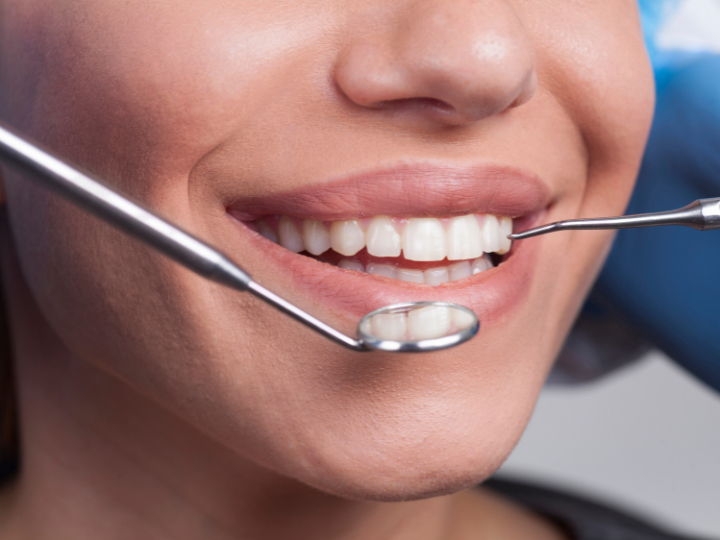
Routine check-ups and professional cleans help remove plaque build-up, reducing the risk of gingivitis or other issues. Your dentist can also offer advice tailored to your unique pregnancy-related oral health needs.
4. Maintain a Balanced Diet
Your baby’s teeth start developing between the third and sixth weeks of pregnancy, and the enamel begins to form in the second trimester. Eating a balanced diet rich in calcium, vitamin D, and phosphorous supports your baby's oral development as well as your own dental health.
Limit sugary snacks and beverages, which can increase your risk of tooth decay. Choose fresh fruits, vegetables, lean proteins, and dairy products to give your body and baby the nutrients they need.
5. Manage Cravings Wisely
Food cravings during pregnancy are very common, and unfortunately, some of the most craved foods are high in sugar. Frequent snacking, especially on sugary or acidic foods, can contribute to cavities and enamel erosion.
If you find yourself indulging in these foods, try to brush your teeth or rinse your mouth with water afterwards to minimise potential damage. Chewing sugar-free gum can also stimulate saliva production, which helps neutralise acids.
6. Stay Hydrated
Dry mouth is another common symptom during pregnancy, which can increase your risk of dental decay. Drinking plenty of water not only supports your overall health but also helps keep your mouth moist and washes away food particles and bacteria.
Carrying a water bottle with you throughout the day can make it easier to stay hydrated, especially on warmer days in Mt Druitt.
7. Don’t Ignore Dental Issues
Some women may delay dental treatment out of concern for their baby’s safety. However, untreated oral infections like gum disease can be linked to preterm birth or low birth weight. If you're experiencing tooth pain, swelling, or bleeding gums, consult your dentist Mt Druitt promptly.
Most dental procedures, including fillings and extractions, are safe during pregnancy with proper precautions. Your dentist may adjust medications or use protective measures to ensure your safety and comfort.
8. Educate Yourself About Postnatal Oral Health
Good oral health doesn’t stop after childbirth. After your baby arrives, your attention may shift to feeding schedules and sleepless nights — but don't forget about your own dental care. New mums are still susceptible to gum problems, especially if they've developed gingivitis during pregnancy.
Visiting a Mt Druitt oral health professional after giving birth is a good way to stay on top of your dental care and establish a routine that supports both you and your baby.
In summary, pregnancy is a transformative journey that requires attention to all aspects of health, including your mouth. By practising daily oral hygiene, making healthy food choices, staying hydrated, and seeking professional dental care in Mt Druitt, you can reduce your risk of gum disease and other complications. Whether you’re in your first trimester or nearing the end of your pregnancy, your smile deserves care and attention — not only for your wellbeing, but for your baby's health as well. If you’re expecting and live in the area, don’t wait to book an appointment with a trusted dentist Mt Druitt. With the right support and knowledge, maintaining strong oral health during pregnancy can be both manageable and empowering.