In high-stress applications—such as automotive components, aerospace structures, oil and gas systems, and heavy machinery—the reliability and durability of parts are critical. Components operating in these demanding environments are expected to withstand extreme loads, pressure, temperature, and wear without failure. This is where forging stands out as a superior manufacturing process.
Forging, one of the oldest known metalworking processes, continues to be the preferred method for creating strong, high-performance parts. It involves shaping metal using localized compressive forces, typically delivered by a hammer or die. Today, top forging companies in India leverage advanced technologies to produce forged components that meet stringent industry standards.
1. Superior Strength and Toughness:
One of the most significant advantages of forging in high-stress applications is the superior strength it provides. The forging process aligns the metal’s grain flow with the shape of the part, which enhances its mechanical properties, such as tensile strength, fatigue resistance, and impact resistance.
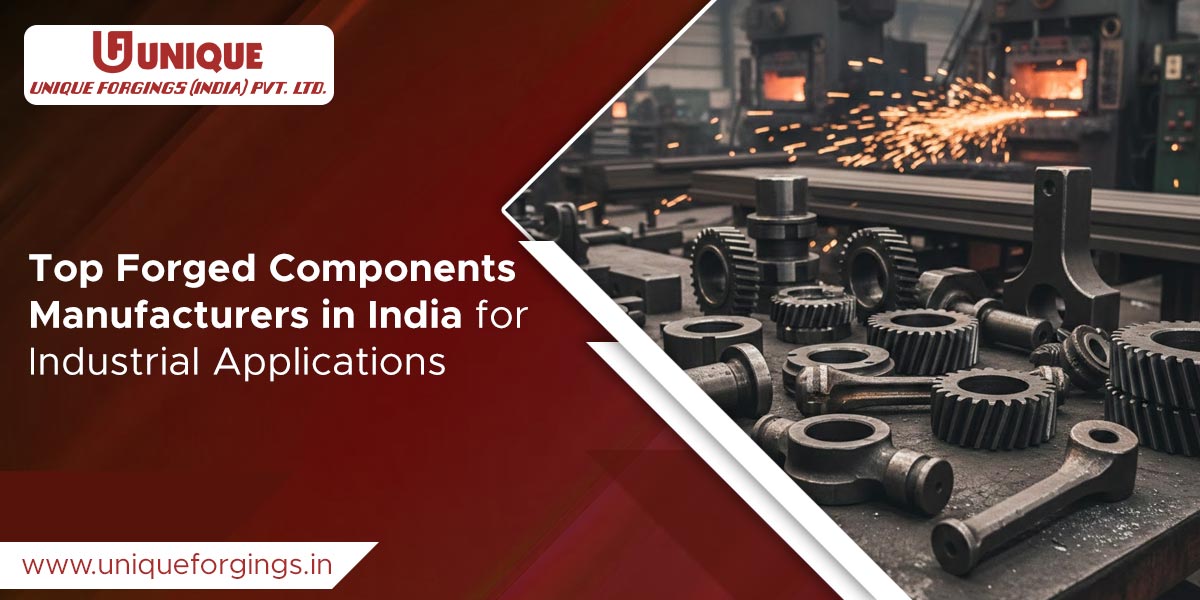
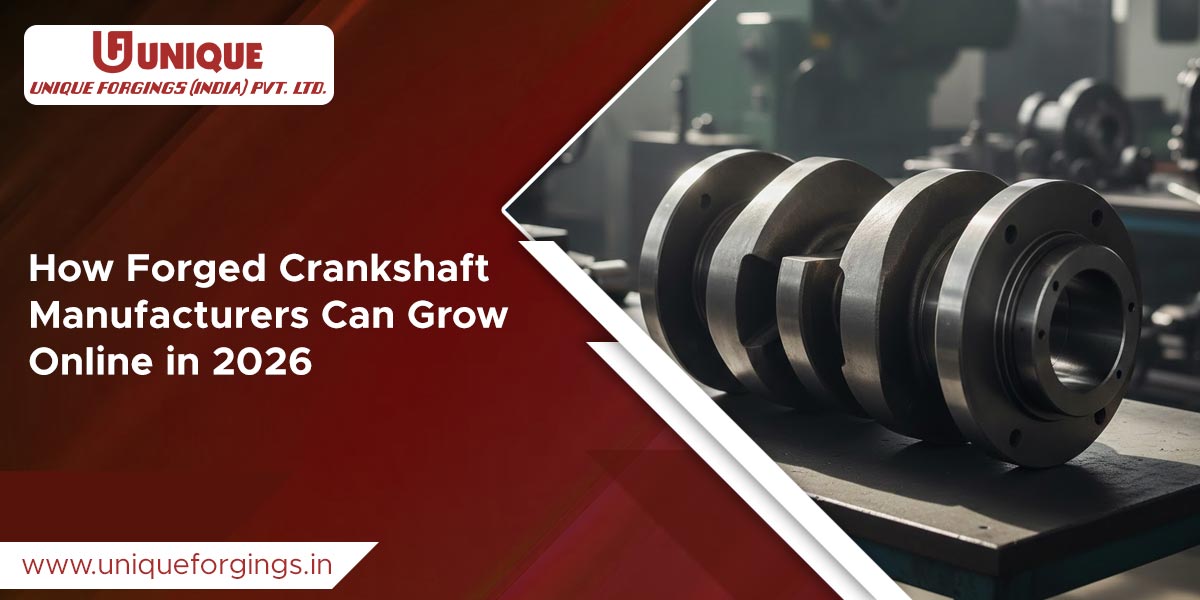
In comparison to casting or machining, forged parts have far fewer internal voids or porosity, making them less likely to crack under extreme stress. This is why critical components such as crankshafts, gears, axle beams, and connecting rods are almost always forged.
2. Excellent Fatigue Resistance:
High-stress applications often involve repetitive motion or vibration, which can cause fatigue over time. Forged components are far better suited to resist fatigue because of their dense, uniform structure and refined grain flow. Top 10 forging companies in India invest heavily in metallurgical testing and design optimization to ensure their forged products offer extended fatigue life, making them ideal for use in aerospace engines, railway couplings, and mining equipment.
3. Enhanced Impact and Load-Bearing Capacity:
Forged materials can absorb shock and withstand dynamic loads much more effectively than parts produced by other methods. This is particularly important in industries like construction, defense, and heavy-duty transportation, where equipment is frequently exposed to high-impact forces.
Forging helps eliminate potential weak spots, ensuring the part maintains its integrity under the most demanding conditions. This reliability is a key reason why top forging companies in India are consistently chosen to supply components for defense and military-grade equipment.
4. Superior Metallurgical Integrity:
Forging refines the grain structure of the metal, reducing segregation and eliminating internal voids. The result is a part with superior metallurgical properties and improved homogeneity. This uniformity enhances the performance and service life of the component.
Moreover, forged parts are known for having a better grain flow that conforms to the shape of the part. This is critical in high-stress areas like turbine blades or valve bodies where even microscopic defects can lead to catastrophic failures.
5. Consistency and Precision:
Modern forging techniques offer precise dimensional control, which is crucial for applications requiring tight tolerances. Whether it’s closed-die forging or precision open-die forging, parts can be consistently manufactured with minimal variation.
Companies listed among the top 10 forging companies in India implement advanced simulation tools and CNC-controlled forging presses to ensure uniformity and repeatability. This translates into cost savings, reduced machining time, and fewer part rejections.
6. Wide Range of Material Compatibility:
Forging is suitable for a broad range of materials—including carbon steel, alloy steel, stainless steel, aluminum, titanium, and nickel-based alloys—making it incredibly versatile for different industrial sectors.
This adaptability allows the top forging companies in India to serve multiple sectors, from power generation and petrochemicals to agriculture and marine, while ensuring performance under varied stress and temperature conditions.
7. Cost Efficiency Over the Lifecycle:
While forging may have higher upfront costs compared to casting or fabricating, it offers significant long-term cost advantages. Forged parts generally have longer service lives, require fewer replacements, and are less prone to failure. This reduces maintenance costs and downtimes in mission-critical environments.
Additionally, modern forging facilities use near-net-shape processes that minimize material waste and reduce the need for extensive post-forging machining, offering better material utilization.
8. Resistance to Wear, Corrosion, and Temperature:
Forged parts are naturally more resistant to wear and corrosion due to their dense microstructure and refined grain alignment. This makes them especially suitable for corrosive environments like offshore drilling rigs or chemical processing plants.
With appropriate heat treatments and alloy selections, forged components can also operate in extreme temperatures without losing their structural integrity—a necessity for applications in jet engines, heat exchangers, or power turbines.
9. Compliance with International Standards:
The top forging companies in India adhere to global standards such as ASTM, ASME, ISO, and API to ensure product performance, reliability, and safety. Many of these companies are approved vendors for leading OEMs and multinational corporations.
This commitment to quality, traceability, and certification allows Indian forgers to compete globally and supply components for projects in Europe, North America, the Middle East, and beyond.
10. Customization for Specific Applications:
Forging allows for a high degree of customization, which is invaluable in high-stress applications where standard parts may not suffice. Be it complex geometries, oversized components, or high-alloy materials, forging can meet unique design and performance requirements.
Top 10 forging companies in India often have dedicated design and engineering teams that work closely with clients to develop customized forging solutions tailored to their industry-specific needs.
Why Choose Unique Forgings?
As one of the top forging companies in India, Unique Forgings brings decades of expertise, modern infrastructure, and a commitment to quality to the forefront of forging excellence. Our advanced forging capabilities, state-of-the-art inspection tools, and adherence to international standards make us a trusted partner for high-stress applications across multiple sectors.
Whether it’s precision components for aerospace, rugged parts for off-highway equipment, or mission-critical elements for the energy sector, Unique Forgings ensures strength, reliability, and durability in every product.
Final Thoughts:
In high-stress environments, failure is not an option. Forged components offer a proven solution by delivering exceptional mechanical strength, fatigue resistance, and reliability that other manufacturing methods cannot match. With the growing demand for robust, high-performance parts, the role of forging has become even more vital.
By partnering with one of the top 10 forging companies in India, industries can ensure the safety, performance, and longevity of their systems. As forging technology continues to evolve, it remains at the core of innovation in sectors that demand nothing but the best.
For More Information: https://www.uniqueforgings.in/product