

Dealing with your body's challenges while attempting to remain ahead of the game is a daily dance for people with chronic illnesses. Gone are the days when managing a lifelong health condition was limited to periodic visits to the doctor. Today, health monitoring devices are bringing a revolution into our homes, making it easier than ever to keep chronic conditions in check. Whether it’s diabetes, hypertension, heart disease, or asthma, people are gaining more control—and more peace of mind—through technology.
Reimagining Care
For most people with chronic illnesses, care used to revolve around scheduled appointments and occasional lab tests. While these medical check-ins are vital, they often leave wide gaps when it comes to tracking daily fluctuations in health. In those gaps, vital signals can be missed, complications may arise unnoticed, and anxiety can creep in.
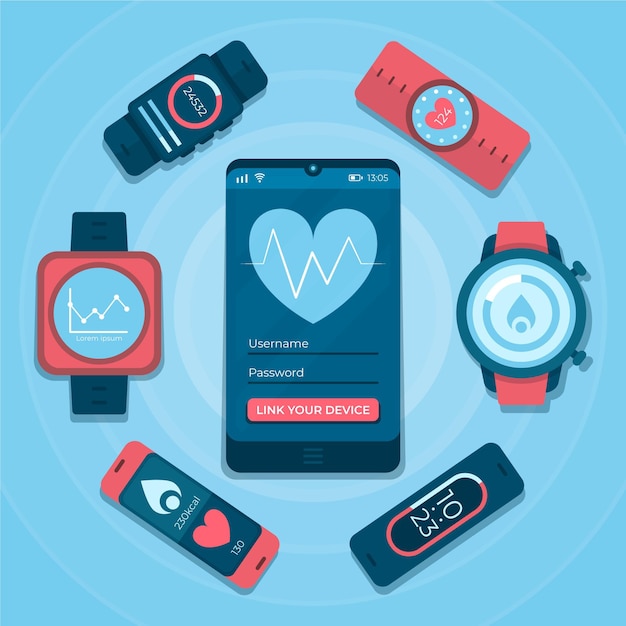
Enter the new generation of health monitoring devices. From the comfort of your own living room, you can now keep tabs on blood sugar, blood pressure, oxygen levels, heart rhythm, and even sleep quality. These gadgets are more than just convenient—they’re empowering. By making personal health data visible and understandable, these tools help individuals become their own health advocates.
Empowerment in the Palm of Your Hand
What does a day look like with smart health monitors by your side? Imagine a continuous glucose monitor quietly tracking your blood sugar, an app on your phone recording the readings, and gentle nudges reminding you to take your insulin or have a snack. For someone living with diabetes, this proactive feedback can mean the difference between a day gone smoothly and a health emergency.
Similarly, patients with heart conditions can wear smartwatches that track heart rhythms, picking up on any irregular beats or warning signs. When the device detects something troublesome, it’s often connected to an app that can immediately inform caregivers—or even your doctor. Early detection lets you act before problems snowball into serious episodes.
Asthma sufferers, too, are benefiting from connected inhalers that record usage patterns and environmental monitors that warn users about air quality concerns. This kind of daily, data-driven support brings a new layer of safety and confidence to life with chronic respiratory issues.
Making Data Meaningful
It’s not just about having access to numbers; it’s about understanding what those numbers mean. Modern health monitoring devices don’t just collect data—they translate it into actionable insights. Color-coded graphs, trend alerts, and personalized reports make it easier to spot warning signs and see how lifestyle changes are working.
Some devices even offer tailored coaching. If your blood pressure readings inch up, an app might suggest a relaxation exercise or prompt you to check in with your doctor. By connecting people to tailored advice, these devices help remove some of the guesswork—and anxiety—from managing a chronic illness.
Bringing Doctors Closer, Even from Afar
The conventional doctor-patient connection is changing as a result of remote patient monitoring. Instead of waiting weeks or months for an appointment, patients can share data directly with their healthcare teams in real time. This allows doctors to spot issues earlier, adjust medications promptly, and intervene before minor concerns become emergencies.
Telemedicine and data-sharing are especially valuable for those with limited mobility or who live far from specialty centers. With a connected monitor and a stable internet connection, quality care is possible almost anywhere. This is making the promise of equal access to care much more real for millions.
For firsthand accounts of telemedicine breakthroughs and the role of connected health in rural communities, follow nasaindia.co.in blog. Their features highlight the people—not just the products—behind these advances.

Overcoming Barriers and Building Trust
Of course, no technology is perfect. Privacy and data security are real concerns when it comes to health information. Many people also need time to get comfortable with new devices or may need support to make the most of them. That’s why so many health tech companies are working on making their products as user-friendly, secure, and transparent as possible.
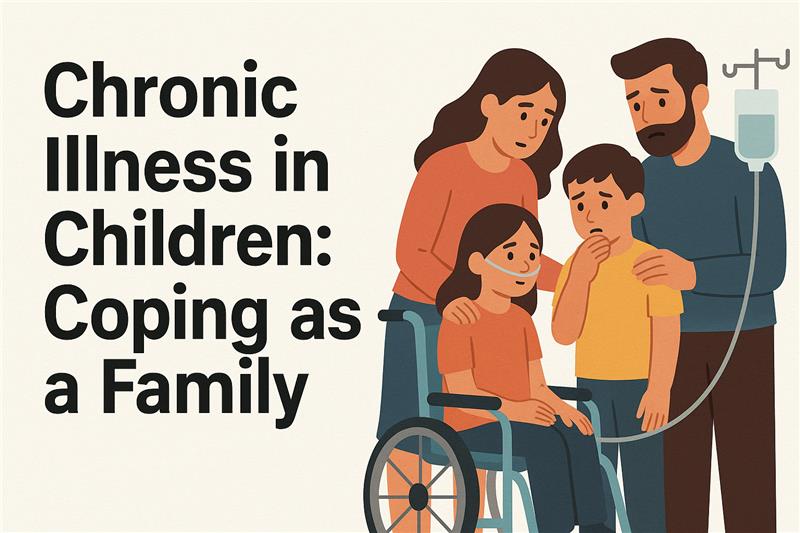
Family members and caregivers are finding that these tools don’t just make a difference for the person living with an illness. With shareable data and customizable alerts, loved ones can be more involved—and more reassured—without needing to hover or worry constantly.
Looking to the Future
The line between medicine and daily life is getting blurrier by the day, and that’s a good thing. Health monitoring devices are part of a powerful movement toward personalized medicine, where care is individually tailored, proactive, and continuous. Chronic illness can be isolating and overwhelming, but these tools are helping people regain a sense of normalcy and control.
The coming years hold even more promise—smarter, smaller devices, deeper insights, and new partnerships between patients and caregivers. It’s not just about managing illness; it’s about unlocking better, healthier lives.
Conclusion
Living with chronic illness will never be effortless, but health monitoring devices are shifting the journey from reactive to proactive, from anxious to empowered. These advances are connecting people to both their own well-being and to expert support systems like never before.