In the evolving landscape of business, internal mobility has become an essential component of a flexible and adaptive workplace. Whether you're a growing startup or a small business expanding operations, transferring employees between departments, locations, or roles is a routine part of scaling efficiently. A well-drafted Transfer Letter Template simplifies this transition and ensures clarity and professionalism across the board. The art of professional communication is not merely about conveying a message; it's about ensuring clarity, respect, and understanding between all parties involved. When writing a transfer letter, it is essential to employ professional communication skills that reflect the organization's values and promote harmony within the team.
Professional communication skills encompass several key elements, including clarity, conciseness, and courtesy. Clarity ensures that the message is easily understood, leaving no room for misinterpretation. Conciseness respects the recipient's time by delivering the message directly without unnecessary fluff. Courtesy involves using polite language and expressing gratitude, which fosters a positive relationship with the recipient.
Additionally, active listening and empathy are crucial components of professional communication. When drafting a transfer letter, understanding the recipient's perspective and addressing their concerns can greatly enhance the effectiveness of the communication. This empathetic approach not only demonstrates respect for the employee but also contributes to a smoother transition and greater team cohesion.
Furthermore, effective communication involves adaptability and cultural sensitivity. In a diverse workplace, acknowledging cultural differences and adapting communication styles accordingly can prevent misunderstandings and promote inclusivity. This consideration is vital in crafting transfer letters that resonate with all employees, irrespective of their backgrounds.
Understanding the Transfer Letter Format for Seamless Transitions
The format of a transfer letter plays a significant role in its effectiveness. A well-structured transfer letter not only communicates the necessary information but also sets the tone for the transition process. Understanding the transfer letter format is essential for ensuring that the communication is both professional and inclusive.
A typical transfer letter format includes the following components:
1. Header: The header usually contains the organization's name and address, followed by the date of writing. This establishes the official nature of the document.
2. Salutation: A respectful greeting addressing the recipient by name, such as "Dear [Recipient's Name]," sets a courteous tone for the letter.
3. Introduction: The introduction should clearly state the purpose of the letter, indicating that it is a transfer letter and specifying the reason for the transfer.
4. Body: The body of the letter should provide detailed information about the transfer, including the new position, location, and any changes in responsibilities. It should also highlight the benefits of the transfer for both the employee and the organization.
5. Conclusion: The conclusion should express gratitude and offer support during the transition period. It should also provide contact information for any further inquiries.
6. Closing: A polite closing, such as "Sincerely" or "Best regards," followed by the sender's name and position, completes the letter.
Adhering to this format ensures that the transfer letter is organized and professional, facilitating a smooth transition for the employee and enhancing team harmony. Additionally, the format should be flexible enough to accommodate specific organizational needs while maintaining a consistent tone and style.
Creating a Comprehensive Transfer Letter Template for Team Harmony
A transfer letter template serves as a valuable tool for maintaining consistency and professionalism in corporate communication. By providing a standardized format, a template ensures that all necessary information is included and presented in a coherent manner. Crafting a comprehensive transfer letter template is essential for promoting team harmony and facilitating seamless transitions.
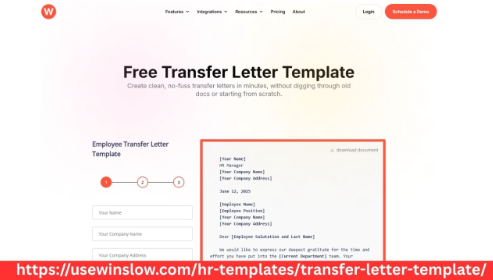
When designing a transfer letter template, it is important to consider the specific needs of the organization and its employees. The template should be flexible enough to accommodate various transfer scenarios while maintaining a professional tone. Below is an example of a transfer letter template:
[Organization Name]
[Organization Address]
[Date]
Dear [Recipient's Name],
We are pleased to inform you of your transfer to [New Position] at [New Location]. This transfer is effective [Start Date].
The decision to transfer you to this new role is based on [Reason for Transfer]. We believe that your skills and expertise will greatly contribute to the success of [New Department/Team].
Your new responsibilities will include [List of Responsibilities]. We are confident that you will excel in this position and continue to be an asset to our organization.
Please feel free to reach out to [Contact Information] should you have any questions or require assistance during this transition.
Thank you for your dedication and hard work. We look forward to your continued success in your new role.
Sincerely,
[Sender's Name]
[Sender's Position]
This template provides a clear and professional framework for drafting transfer letters, ensuring that all relevant information is included and communicated effectively. By using a template, organizations can streamline the transfer process, minimize misunderstandings, and foster a harmonious work environment. Furthermore, templates can be customized to suit different departments or teams, reflecting the unique dynamics of each group.
Enhancing Team Harmony through Thoughtful Transfer Letters
Transfer letters are more than just formal documents; they are tools for enhancing team harmony and ensuring smooth transitions within an organization. A thoughtfully crafted transfer letter can significantly impact the morale and cohesion of a team, making it an essential component of effective corporate communication.
To enhance team harmony, transfer letters should be personalized to acknowledge the individual contributions of the employee and express appreciation for their efforts. This personal touch demonstrates the organization's commitment to valuing its employees, fostering a sense of belonging and loyalty.
Furthermore, transfer letters should emphasize the positive aspects of the transfer, highlighting opportunities for growth and development. By focusing on the benefits of the transition, organizations can motivate employees and encourage them to embrace new challenges with enthusiasm.
In addition to the content of the transfer letter, the timing and delivery method are crucial for ensuring a smooth transition. Providing ample notice of the transfer allows employees to prepare for the change, reducing stress and uncertainty. Delivering the letter in person, when possible, adds a personal touch and reinforces the organization's commitment to supporting its employees.
Ultimately, a well-crafted transfer letter is a powerful tool for enhancing team harmony and facilitating seamless transitions. By prioritizing professionalism, inclusivity, and empathy in corporate communication, organizations can create a positive work environment that promotes collaboration and success. Moreover, transfer letters can serve as a reminder of the organization's goals and values, reinforcing the importance of teamwork and mutual support.
Conclusion: The Art of Crafting Transfer Letters for Organizational Success
In conclusion, crafting the perfect transfer letter requires a blend of professional communication skills, a clear understanding of the transfer letter format, and the use of a comprehensive template. By focusing on these elements, organizations can ensure that their transfer letters are effective in promoting team harmony and facilitating smooth transitions.
A well-structured transfer letter not only communicates the necessary information but also reflects the organization's values and commitment to its employees. By employing professional communication skills, organizations can foster positive relationships and create a supportive work environment.
Ultimately, the art of crafting transfer letters is about more than just conveying information; it's about enhancing team cohesion and ensuring organizational success. By prioritizing professionalism, inclusivity, and empathy, organizations can create a harmonious work environment that empowers employees and drives success. As organizations continue to evolve, the role of transfer letters in maintaining team harmony and facilitating transitions will remain a critical aspect of corporate communication.
In the ever-changing landscape of business, the ability to adapt and support employees through transitions is paramount. Transfer letters, when crafted with care and consideration, can be instrumental in achieving this goal, ensuring that both the organization and its employees thrive in a collaborative and harmonious environment.