In the fast-paced world of small business management, change is inevitable. Whether due to performance issues, departmental restructuring, or role realignment, sometimes a demotion becomes necessary. While such decisions are difficult, the communication of this action should be handled with the utmost professionalism. That’s where a Demotion Letter Template becomes essential. For small business owners and self-employed entrepreneurs who may not have a full HR department, a ready-to-use and legally sound letter template can save time, reduce stress, and minimize the risk of miscommunication. Winslow, a trusted HR solutions provider, helps businesses like yours manage such sensitive tasks with clarity and confidence.
A demotion letter is not just a formal notification of a change in position; it is a communication tool that reflects the values and culture of the organization. It is crucial to approach this task with care, ensuring that the letter is clear, respectful, and supportive. The demotion letter serves as an official document that not only communicates a change in an employee’s role but also encapsulates the organization's approach to employee management. It can significantly impact the morale and future performance of the employee, making it essential to handle this communication with sensitivity and clarity.
Key Elements of a Professional Demotion Letter Template
Creating a demotion letter template involves several key elements that ensure the message is conveyed effectively. These elements include:
1. Clear Purpose: The letter should clearly state the purpose of the communication. It should explicitly mention that the letter is regarding a demotion and explain the reasons behind this decision. This clarity helps in setting the right tone for the rest of the letter. By clearly defining the purpose, the organization can prevent any misunderstandings and ensure that the employee understands the context of the demotion.
2. Empathetic Tone: While the letter needs to be professional, it should also convey empathy and understanding. A demotion can be a challenging experience for the employee, and the letter should reflect the organization’s support during this transition. An empathetic tone can help in maintaining the employee’s morale and encourage them to view the demotion as an opportunity for growth rather than a setback.
3. Detailed Explanation: The letter should provide a detailed explanation of the reasons for the demotion. This includes any performance issues, organizational restructuring, or other relevant factors. Transparency in this section helps the employee understand the context and rationale behind the decision. Providing a thorough explanation can also prevent any feelings of resentment or confusion, fostering a more positive outlook on the situation.
4. Future Opportunities: Highlight any opportunities for the employee to improve or grow within the organization. This could include training programs, mentorship, or other resources that can help the employee regain their previous position or find new avenues for career development. Emphasizing future opportunities can help the employee feel valued and supported, encouraging them to remain engaged and motivated.
5. Offer Support: Reassure the employee that the organization is committed to supporting them through this transition. This could involve offering counseling services, career coaching, or other forms of assistance. By offering support, the organization demonstrates its commitment to the employee’s well-being and professional development, helping to maintain a positive relationship.
Crafting a Demotion Letter Sample for HR Professionals
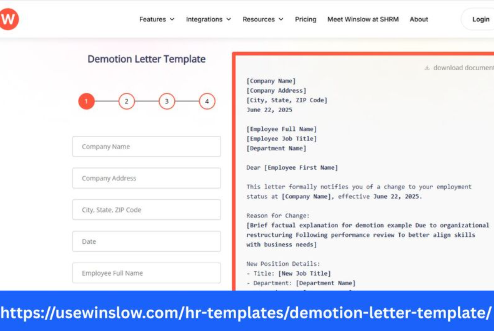
To provide a clearer understanding, here is a sample demotion letter that incorporates the key elements discussed:
Dear [Employee's Name],
I hope this message finds you well. I am writing to inform you of a change in your position within [Company Name]. After careful consideration, we have decided to reassign you to the role of [New Position] effective [Date].
This decision was made due to [reason for demotion, e.g., recent performance evaluations, organizational restructuring]. We understand that this news may be disappointing, and we want to emphasize that this decision does not reflect your overall value to our team. We are committed to supporting you through this transition and believe this change will ultimately be beneficial for both you and the company.
We are keen to assist you in developing the skills necessary for success in your new role. To support you, we are offering [details of support, e.g., training programs, mentorship opportunities]. Additionally, our HR team is available to discuss any concerns or questions you may have.
Please know that this decision was not made lightly, and we are confident in your ability to adapt and thrive in your new position. We appreciate your hard work and dedication to [Company Name].
Sincerely,
[Your Name]
[Your Position]
Structuring the Demotion Letter Format for Clarity and Impact
The format of a demotion letter is crucial in ensuring the message is communicated effectively. Here is a suggested format:
1. Header: Include the company’s letterhead, date, and recipient’s address. This sets a formal tone and provides essential information at a glance. A well-structured header establishes the letter's authenticity and ensures that it is perceived as an official communication from the organization.
2. Opening Paragraph: Begin with a courteous greeting and state the purpose of the letter. This sets the context and prepares the recipient for the content of the letter. A respectful opening can help in softening the impact of the message and demonstrates the organization’s professionalism.
3. Body Paragraphs: Use multiple paragraphs to explain the reasons for the demotion, provide any relevant details, and outline the support the company will offer. This section should be comprehensive and empathetic. By organizing the information into clear, concise paragraphs, the letter becomes easier to read and understand, ensuring that the employee fully grasps the situation.
4. Closing Paragraph: End with a positive note, expressing confidence in the employee’s ability to adapt and offering encouragement. This helps in maintaining a positive relationship with the employee. A thoughtful closing can leave the employee feeling valued and motivated to embrace the new role.
5. Signature: Include a formal closing and the signature of the person responsible for the decision, typically a manager or HR representative. A formal signature adds a personal touch to the letter and reinforces the sincerity of the message.
Balancing Professionalism and Empathy in Demotion Letters
Striking the right balance between professionalism and empathy is essential when writing a demotion letter. While it is important to maintain a professional tone, showing empathy can help preserve the employee's morale and motivation. This balance can be achieved by:
1. Acknowledging Emotions: Recognize that a demotion can be an emotional experience for the employee. Acknowledge their feelings and provide reassurance that the company values their contributions. By addressing the emotional impact, the organization can demonstrate its understanding and support, making the transition smoother for the employee.
2. Offering Constructive Feedback: Provide feedback that is constructive and aimed at helping the employee improve. Focus on specific areas for development rather than general criticisms. Constructive feedback can empower the employee to take proactive steps towards improvement and growth, fostering a sense of purpose and direction.
3. Encouraging Open Communication: Encourage the employee to share their thoughts and concerns. This openness can help address any misunderstandings and foster a supportive environment. By promoting open communication, the organization can build trust and ensure that the employee feels heard and valued.
Conclusion: Crafting a Thoughtful Demotion Letter
Designing a professional demotion letter template is a critical task for HR professionals. By incorporating key elements such as clarity, empathy, and support, organizations can ensure that the letter serves its purpose effectively. A well-crafted demotion letter not only communicates the necessary information but also helps maintain a positive relationship with the employee, supporting them through a challenging transition. Ultimately, the goal is to convey the message in a way that respects the employee’s dignity and encourages them to view the demotion as an opportunity for growth and development. By striking the right balance between professionalism and empathy, HR professionals can help the employee navigate this change with confidence and resilience.