Understanding the Employment Verification Letter: A Comprehensive Guide
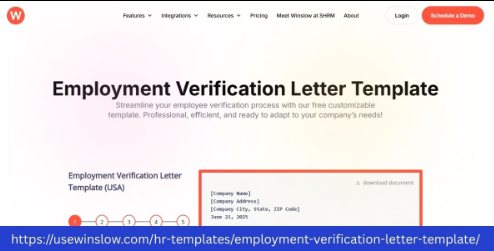
An employment verification letter Template is a formal document that confirms an individual's employment status, job title, and other relevant details. It is often requested by financial institutions, landlords, or government agencies to serve as proof of employment and income. Crafting an effective employment verification letter requires attention to detail, ensuring that all necessary information is included while maintaining a professional tone. This document is not just a formality; it represents the integrity and credibility of both the employee and the employer.
Employment verification letters play a crucial role in various scenarios. For instance, when an employee applies for a mortgage or a rental property, the lender or landlord may require confirmation of stable employment and income. Similarly, government agencies might request this letter when processing visa applications or other official matters. Understanding the purpose and audience of the letter is essential for crafting a document that meets the specific needs of the requester while upholding the privacy and confidentiality of the employee.
Key Components of a Letter of Employment: What to Include
When drafting a letter of employment, it's important to include specific elements that provide a comprehensive overview of the employee's work status. These components typically include:
1. Employer Information: The letter should begin with the employer's details, including the company name, address, and contact information. This establishes the credibility of the document. Including a company letterhead can further enhance the document’s authenticity and professionalism.
2. Employee Details: Clearly state the employee's full name, job title, and department. This helps the recipient verify the identity of the individual in question. Accuracy in this section is vital to avoid any confusion or misinterpretation.
3. Employment Dates: Include the start date of employment and, if applicable, the end date. This information is crucial for verifying the duration of employment. For ongoing employment, it might be useful to state "present" as the end date.
4. Job Description: Provide a brief overview of the employee's responsibilities and duties. This gives context to their role within the organization. A concise job description can help the recipient understand the employee's level of responsibility and expertise.
5. Salary Information: Mention the employee's current salary or wage. This is often required for financial assessments. Be sure to handle this information with discretion, as it is sensitive and private.
6. Signature: The letter should be signed by an authorized representative of the company, such as a manager or HR officer, to authenticate the document. A signature not only verifies the letter’s legitimacy but also signifies the company’s endorsement of the information provided.
Crafting an Employment Letter Template: Streamlining the Process
Creating a template for employment verification letters can streamline the process and ensure consistency across documents. A well-designed template should be adaptable to different situations while maintaining a professional appearance. Here are steps to develop an effective template:
1. Standardize the Format: Use a consistent format for all letters, including font style, size, and margins. This creates a uniform look and enhances readability. Consistency in formatting reflects the organization’s attention to detail and professionalism.
2. Include Placeholder Text: Incorporate placeholders for variable information such as employee name, job title, and dates. This allows for easy customization for each request. Placeholders should be clearly marked to prevent errors during the customization process.
3. Draft Sample Content: Provide sample text for each section of the letter, ensuring that the language is clear and concise. This serves as a guide for those preparing the document. Sample content can also help maintain a consistent tone and style across all letters.
4. Review and Revise: Regularly review the template to ensure it meets current standards and requirements. Update it as necessary to reflect any changes in company policy or industry practices. Regular updates ensure that the template remains relevant and effective.
Balancing Professionalism with Approachability: The Art of Communication
While an employment verification letter is a formal document, it should also convey a sense of approachability. Striking the right balance between professionalism and friendliness can enhance the recipient's perception of the company. Here are some tips to achieve this balance:
1. Use Polite Language: Employ courteous and respectful language throughout the letter. This sets a positive tone and fosters goodwill. Politeness is not only a sign of respect but also enhances the reader’s experience.
2. Maintain Clarity: Ensure that the information is presented clearly and logically. Avoid jargon or technical terms that might confuse the reader. Clarity helps prevent misunderstandings and ensures that the letter serves its purpose effectively.
3. Personalize When Possible: If appropriate, include a brief personalized message or closing remark. This adds a human touch to the document. Personalization can make the letter feel less mechanical and more genuine.
4. Be Responsive: Promptly address any follow-up questions or requests for additional information. This demonstrates professionalism and attentiveness. Responsiveness can enhance the company’s reputation for customer service and reliability.
Conclusion: Mastering the Employment Verification Letter
Crafting the perfect employment verification letter involves a careful balance of detail, professionalism, and approachability. By understanding the key components, utilizing templates, and maintaining a courteous tone, employers can effectively meet verification requests while enhancing their company's reputation. With these tips and templates, you are well-equipped to create employment verification letters that serve their purpose with clarity and professionalism.
In conclusion, an employment verification letter is more than just a document; it is a representation of the organization’s values and commitment to its employees. By taking the time to craft a well-thought-out letter, companies can not only fulfill requests efficiently but also leave a positive impression on recipients. Whether you are a small business or a large corporation, mastering the art of the employment verification letter is a valuable skill that can benefit both your employees and your organization as a whole.