





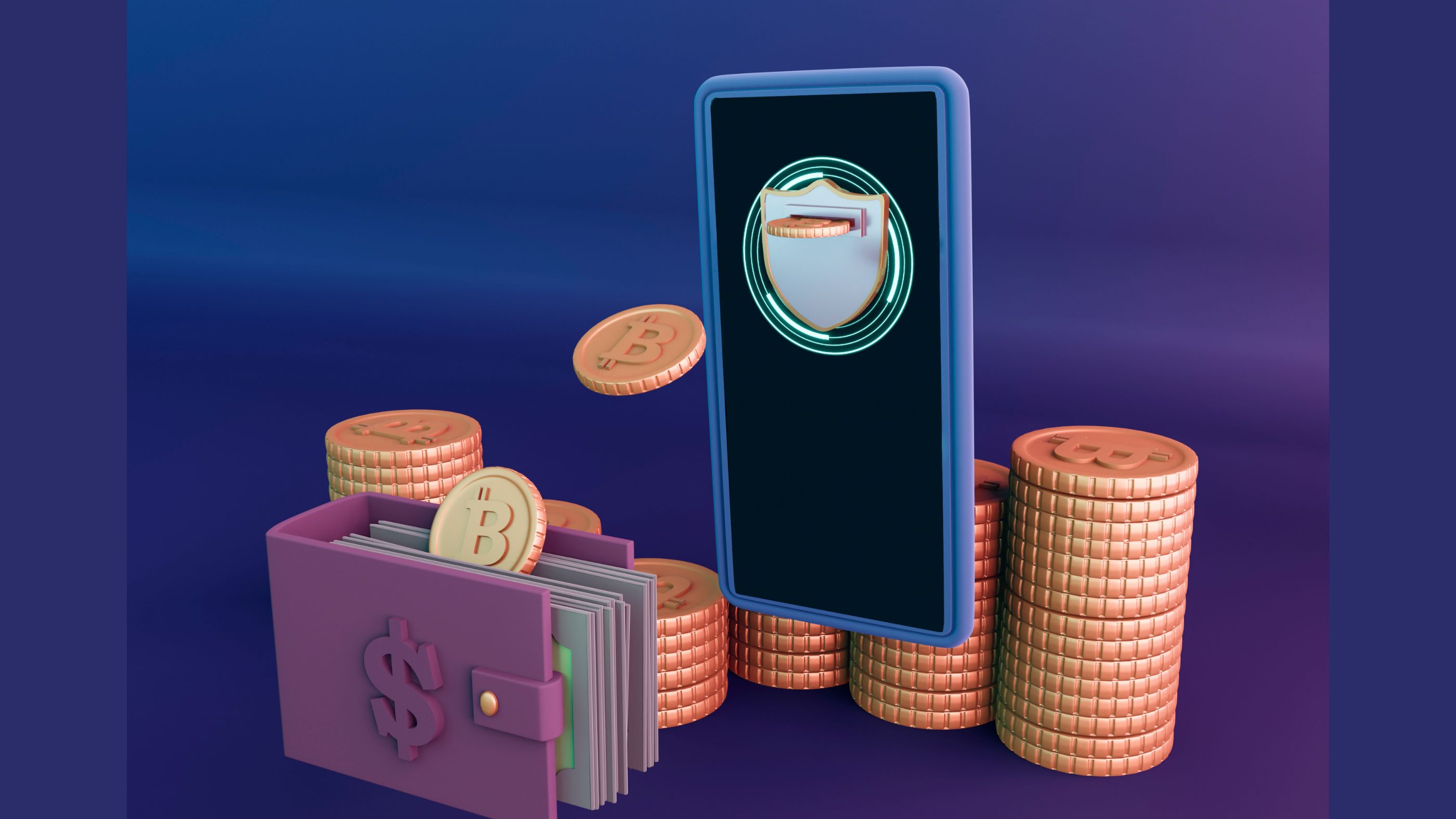
A cryptocurrency wallet is necessary for securely storing, managing, and exchanging digital assets such as Bitcoin and Ethereum. As cryptocurrencies become more popular, there are more and more wallets on the market. It's important to know what makes the best ones stand out from the others.
A great crypto wallet does more than just store your coins; it also has strong security, an easy-to-use design, support for many assets, and works well with decentralized apps (dApps). Features like two-factor authentication, the ability to store things in cold storage, and easy-to-use interfaces make the user experience much better and protect assets.
A reliable crypto wallet development company plays a key role in delivering such features. Additionally, responsive customer support and regular updates are vital for maintaining trust. This article explores the attributes that make a crypto wallet truly exceptional.
11 Key Features of Crypto Wallet
Here are the 11 key features that separate top-tier crypto wallets from the rest.
1. Strong Security Architecture
Here are the 11 most important things that set the best crypto wallets apart from the rest.
Private Key Control
The best wallets don't save your private keys on servers that are shared by many people. They allow you complete control, though. You are the only one who has the keys, both in a physical and figurative sense. This gives you control over your money, but it also makes sure that no one else can get to it.
Two-Factor Authentication (2FA)
Two-factor authentication (2FA) makes things safer, especially for software wallets. It is much tougher for hackers to get into your wallet if they have both your password and a second device or app to log in.
Biometric Access
Face recognition and fingerprint unlock features add another level of security. They keep intruders out if your phone or gadget is lost or stolen, and they cut down on the number of times you have to punch in your passwords.
2. Multi-Currency Support
There are many more cryptocurrencies than just Bitcoin and Ethereum. A good wallet may hold a lot of different types of digital assets, like altcoins, stablecoins, and even NFTs. This is especially important if you have a lot of different types of investments.
Instead of having to deal with a lot of different wallets, having just one that works with a lot of different things saves time and effort. The best wallets also keep up with new chains and tokens as they come out, which helps you stay ahead.
3. User-Friendly Interface
A layout that makes sense is more important than most people think. If you have to solve a riddle to get to your wallet, it becomes an issue, especially when time is of the essence during market fluctuations.
User errors are less likely to happen when interfaces are simple and tidy. A decent wallet makes it easy to see your balances, send money, and get money. Features like QR scanning, real-time price updates, and menus that transition quickly all make the daily experience better.
No one wants to carry around a wallet that feels like a spreadsheet.
4. Cross-Platform Compatibility
People use different devices. Some people like to use PCs for big transactions, while others want to utilize mobile wallets for quick purchases or transfers.
Having a wallet that works on iOS, Android, Windows, and the web makes things easier. Being able to sync wallets between devices without putting security at risk is a big plus.
Wallets that only work on one platform generally lose out, especially when users want options.
5. Backup and Recovery Options
It may be a nightmare to lose access to a wallet, especially if the mechanisms to get it back are hard to find or use.
Most good wallets have explicit ways to back up your money, usually in the form of a recovery phrase that is 12 or 24 words long. The best ones additionally show users how to safely save and use this phrase step by step.
Advanced wallets now let you back up your data on the cloud with encryption. This strikes a balance between safety and convenience without putting users at risk of centralized breaches.
6. Hardware Wallet Integration
For people who keep onto their coins for a long time or have a lot of them, linking to hardware wallets is quite important. Cold wallets keep private keys offline, which makes them almost impossible to hack online.
The top software wallets work perfectly with Ledger, Trezor, and Keystone devices. This lets users sign transactions safely while managing their assets through an interface they already know.
You have a mobile dashboard that works like a bank vault.
7. Transparent Development and Open Source Code
A wallet’s credibility often ties back to its development team and community involvement. Open-source wallets allow anyone to review the code, making it easier to verify that there are no hidden vulnerabilities or backdoors. Transparent roadmaps, public repositories (like GitHub), and frequent updates show that the team remains committed. Businesses looking to create reliable solutions often hire mobile app developers with blockchain expertise to ensure strong security and performance. Shady wallets with no clear development history are red flags. Transparency helps build long-term trust.
8. Active Community and Support Channels
Things can go wrong. Responsive support is important, whether it's a failed transaction, a bug in your wallet, or a problem with syncing.
The best wallets put money into establishing communities by running active forums, help centers, Discord servers, and Telegram groups. Some even have live chat or ticket systems that respond quickly.
A wallet with a strong community frequently implies faster updates, better upgrades, and more confidence among users.
9. Transaction Fee Customization
The fees can change depending on how busy the network is. A wallet that allows users to change gas or transaction costs provides them greater control, especially when traffic is high.
Experienced users like being able to choose between speed and expense. Whether you're sending tokens on Ethereum or moving Bitcoin, manually changing fees might help you avoid paying too much or getting trapped with a transaction.
It's a little thing that makes a tremendous difference.
10. Real-Time Transaction Monitoring
It's really important to keep track of your transactions, especially when you're sending a lot of money or using an address you don't know.
Good wallets give you real-time updates, like confirmations, pending status, and expected completion times. Push notifications and alerts inside the app also help users keep track of what they're doing.
The best ones even have visual block explorers that show you how your transaction is going along the network.
11. Regulatory Compliance and Licensing
Decentralization is a key idea in crypto, but real wallets, especially custodial ones, have to respect the law.
Wallets can work without worrying about the law if they follow data protection regulations, get the right licenses in their area, and follow AML/KYC rules. It also gives users peace of mind that the site respects rules meant to keep both sides safe.
Being open about how data is handled builds trust, even for wallets that don't hold money.
Conclusion
Your crypto wallet isn't simply a tool; it's your entrance into the world of digital money. The qualities above aren't just great to have; they are necessary to tell the difference between safe and dangerous wallets.
Security is always the most important thing, followed closely by usability, compatibility, and openness. If a wallet fits these 11 requirements, it will probably work well for you, whether you're a beginner buying your first coins or an experienced investor managing many chains.
Keep these important things in mind when picking a wallet. It can mean the difference between being at ease and losing something.


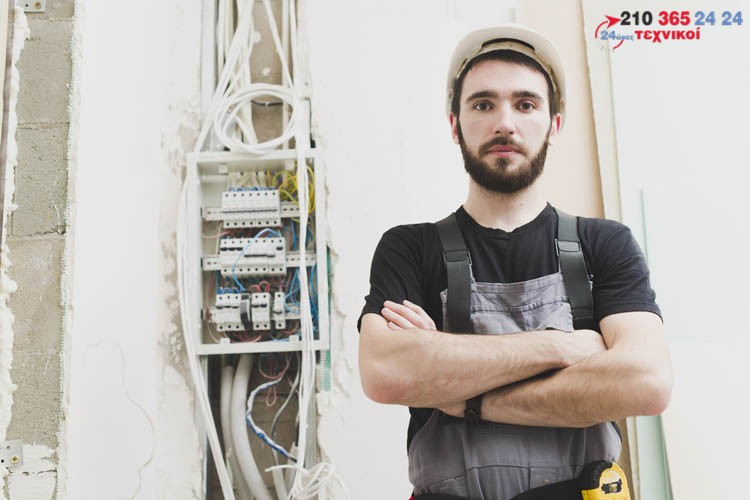
The team of the company 24gr.gr consists of well-trained and qualified professionals in the field and is here to cover everything related to ΗΛΕΚΤΡΟΛΟΓΟΣ work.
Our main goal is the 24 hour support of our customers throughout the Attica basin.
The technical company has guaranteed partners throughout Greece to satisfy even the most demanding customer.
Whether you are at home, in business or in your office, our team visits you to solve your problem with the appropriate reliability.
Technicians 24 hours in over 40 specialties We cover over 40 specialties and it is certain that in us you will find the right person.
From ΗΛΕΚΤΡΟΛΟΓΟΙ ΑΘΗΝΑ for simple household faults to electricians for installation of safety systems and indoor and outdoor lighting.