🌱 What is a Green Roof?
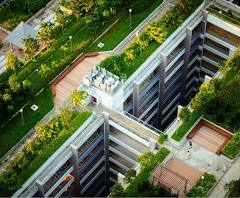
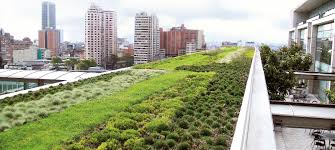
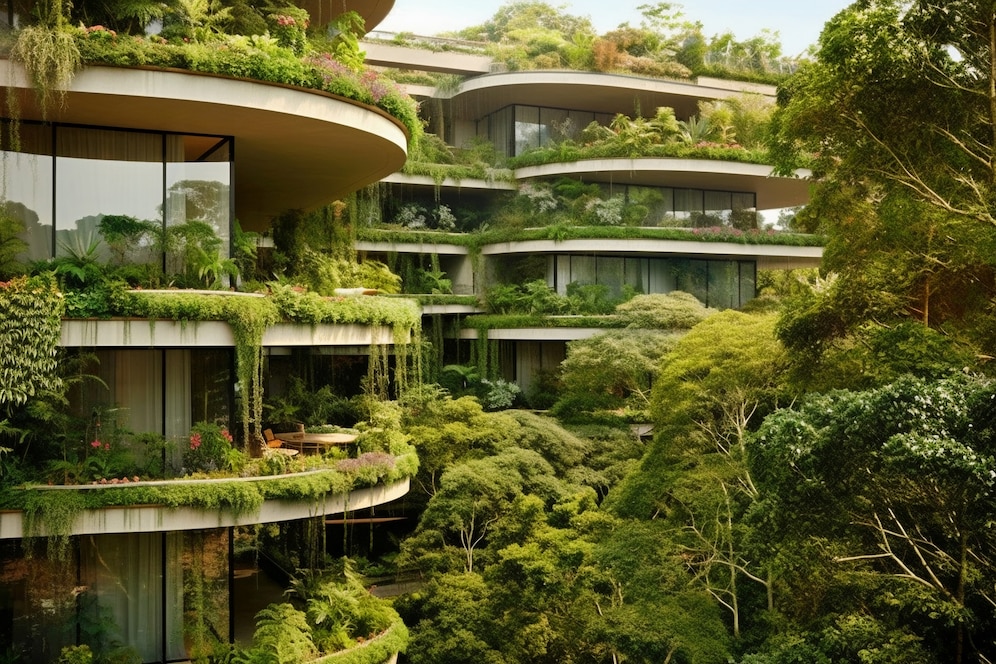
A green roof, often referred to as a living roof, is a layer of vegetation planted over a waterproofing system on top of a building. It’s not just architecture—it’s a symbol of hope, a whisper of nature in the chaos of concrete jungles. Green roofs combine technology and ecology, providing a place for plants, pollinators, and peace.
Whether it’s a sprawling garden atop a city building or a lush patch of wildflowers above your garage, a green roof turns unused space into something truly powerful—a healing space for the planet and the soul.
💚 The Emotional Connection to Nature
🌼 How Green Roofs Inspire Calm and Healing
In a world that never stops spinning, where stress and burnout seem to be daily companions, green roofs offer a moment to breathe. Studies show that being near greenery significantly reduces anxiety, depression, and mental fatigue.
Imagine sipping your morning coffee as birds flit between blooming sedum and lavender, the city noise muffled by lush vegetation. It’s therapy without the appointment. This connection to nature—even just through a window view—can enhance your mood, your focus, and even your relationships.
🌍 Environmental Benefits of Green Roofs
🌡️ Reduced Urban Heat Island Effect
Cities are getting hotter. The concrete absorbs and retains heat, creating what’s known as the urban heat island effect. Green roofs help by absorbing sunlight and providing natural insulation, reducing the overall temperature and cooling the surrounding air.
This small patch of green has the power to change entire city blocks, reducing the need for air conditioning and lowering greenhouse gas emissions.
🌬️ Cleaner Air, Happier Lungs
Plants on green roofs trap dust, absorb carbon dioxide, and release clean oxygen. That means healthier lungs, especially in crowded urban environments. When your child plays near a building with a green roof, they’re breathing cleaner air.
💸 Saving Money While Saving the Earth
🧊 Lower Energy Bills All Year Round
Green roofs act as insulation blankets, keeping your home cool in summer and warm in winter. You’ll use less energy for heating and cooling, which translates to significant savings on energy bills.
🏠 Extending Roof Lifespan
Traditional roofs wear out due to UV rays and extreme weather. But green roofs protect the layers beneath from direct exposure, often doubling or tripling a roof’s life. That means fewer repairs, fewer replacements, and more peace of mind.
💧 Stormwater Management: A Natural Solution
🌊 Preventing Flooding and Erosion
Rainwater is absorbed and filtered by the plants and soil layers of a green roof. This slows the flow of runoff, preventing floods in urban areas and reducing the load on drainage systems.
🐠 Protecting Our Waterways
Runoff often carries oil, heavy metals, and toxins into rivers and oceans. Green roofs act as natural filters, purifying water before it enters local ecosystems. It’s a quiet act of environmental justice, right above our heads.
🐝 Urban Wildlife Habitats: Nature Returns to the City
Bees, butterflies, and birds are returning to cities thanks to green roofs. These habitats offer safe spaces for pollinators, which are crucial for our food supply and biodiversity. It's more than pretty—it's life-saving.
📈 Increasing Property Value with Purpose
Homebuyers and developers alike are drawn to eco-conscious homes. A green roof is more than a trend—it’s an investment that boosts property value while cutting long-term costs. And let’s face it, a rooftop garden view? Irresistible.
🧠 The Role of Green Roofs in Mental Health
🌅 A View that Lifts the Spirit
Access to green views is linked to higher workplace productivity, reduced hospital stays, and improved mood. Green roofs create oases that soothe the soul, offering hope, beauty, and balance in even the busiest cities.
🧑🏫 Educational and Community Engagement Opportunities
Schools and communities use green roofs as hands-on learning environments for science, sustainability, and even art. They become spaces for workshops, gatherings, and green innovation. It’s where curiosity meets community.
🛠️ Types of Green Roofs Explained
🌳 Intensive vs. Extensive Systems
🧱 Modular Green Roofs: Flexibility at Its Finest
Modular systems use pre-grown vegetation trays that can be arranged or removed as needed. They’re perfect for renters or those wanting low-maintenance green magic.
🌎 Green Roofs Around the World: Real-Life Inspiration
From the ACROS Fukuoka building in Japan to Chicago’s City Hall Green Roof, cities globally are embracing this revolution. These inspiring examples show us what’s possible when architecture and empathy meet.
Explore more examples of global green roofs.
🧹 Maintenance Tips for Long-Lasting Beauty
With just a little care, your green roof will thrive for decades.
❓ Frequently Asked Questions (FAQs)
1. Are green roofs expensive to install?
Initial costs can be higher than traditional roofs, but long-term savings and benefits often outweigh them.
2. Can any building have a green roof?
Most can—but structural assessments are necessary. Consult a green roofing specialist.
3. Do green roofs attract pests?
Not usually. When well-maintained, they attract beneficial wildlife rather than pests.
4. What plants grow best on green roofs?
Succulents, grasses, and native perennials thrive due to their resilience and low maintenance needs.
5. Are green roofs safe during heavy rain or snow?
Yes. They’re designed with excellent drainage systems to manage water efficiently.
6. How long does a green roof last?
With proper care, they can last 40–50 years or more—often twice as long as traditional roofs.
Conclusion: A Roof That Touches the Heart and the Earth
Green roofs aren’t just about sustainability—they’re about hope, healing, and connection. They invite nature back into our lives and communities, offering beauty, peace, and purpose from above. Whether you’re saving the planet or seeking sanctuary, a green roof is a simple act with extraordinary impact
The Best Indoor Trees for Offices in Egypt