In today's customer-centric business landscape, cloud contact center reporting has evolved from basic performance tracking to sophisticated analytics that drive strategic decision-making. This comprehensive guide explores the essential metrics, tools, and best practices that will define call center reporting in 2025.
What is Call Center Reporting?
Call center reporting is the systematic collection, analysis, and presentation of data related to call center operations, agent performance, and customer interactions. It transforms raw call data into actionable insights that help managers optimize operations, improve customer satisfaction, and drive business growth.
Modern call center reporting encompasses real-time monitoring, historical analysis, predictive analytics, and automated reporting across multiple communication channels including voice, chat, email, and social media.
Why Call Center Reporting Matters in 2025
The importance of robust call center reporting has never been greater. With customer expectations at an all-time high and businesses competing on customer experience, data-driven decision-making has become essential for success.
Call center reporting directly impacts business outcomes by identifying operational inefficiencies, revealing training opportunities, and uncovering customer satisfaction drivers. Organizations with advanced reporting capabilities see 15-20% improvements in customer satisfaction scores and 25% reductions in operational costs.
Furthermore, regulatory compliance requirements and the need for transparent customer service metrics make comprehensive reporting a business necessity rather than a luxury.
Key Essential Call Center Metrics for 2025
Core Performance Metrics
- Average Handle Time (AHT) remains a fundamental metric, measuring the total time spent on each customer interaction including talk time, hold time, and after-call work. The industry benchmark for AHT varies by sector, but most organizations target 6-8 minutes for general customer service calls.
- First Call Resolution (FCR) measures the percentage of customer issues resolved during the initial contact. High FCR rates correlate strongly with customer satisfaction, with leading organizations achieving FCR rates of 70-80%.
- Call Abandonment Rate tracks the percentage of callers who hang up before reaching an agent. Industry standards suggest maintaining abandonment rates below 5%, though this varies based on call complexity and customer expectations.
Agent Performance Metrics
- Agent Utilization measures the percentage of time agents spend handling customer interactions versus idle time. Optimal utilization rates typically range from 75-85%, balancing productivity with agent well-being.
- Quality Scores evaluate agent performance through call monitoring and assessment programs. These scores typically incorporate communication skills, problem-solving ability, and adherence to company policies.
- Schedule Adherence tracks how well agents follow their assigned schedules, including break times, lunch periods, and shift start/end times. High schedule adherence ensures adequate staffing levels and predictable service delivery.
Customer Experience Metrics
- Customer Satisfaction (CSAT) Scores provide direct feedback on customer perceptions of service quality. Modern CSAT measurement includes post-call surveys, email feedback, and omnichannel experience ratings.
- Net Promoter Score (NPS) measures customer loyalty and likelihood to recommend the company to others. Organizations with high NPS scores typically see increased customer retention and organic growth.
- Customer Effort Score (CES) evaluates how easy it is for customers to resolve their issues. Lower effort scores correlate with higher customer satisfaction and reduced churn rates.
Advanced Analytics and Emerging Trends
Predictive Analytics
Predictive analytics uses historical data and machine learning algorithms to forecast call volumes, identify potential issues, and optimize staffing decisions. Advanced predictive models can forecast call volumes with 95% accuracy, enabling proactive resource allocation.
Sentiment Analysis
Real-time sentiment analysis monitors customer emotions during interactions, providing immediate feedback on service quality and identifying escalation opportunities. This technology helps managers intervene in negative situations before they impact customer satisfaction.
Speech Analytics
Speech analytics technology analyzes 100% of customer conversations to identify trends, compliance issues, and improvement opportunities. This technology can detect specific keywords, phrases, and emotional indicators that traditional monitoring might miss.
Omnichannel Reporting
Modern customers interact across multiple channels, making omnichannel reporting essential for understanding the complete customer journey. Integrated reporting platforms provide unified views of customer interactions across voice, chat, email, and social media channels.
Read Our Blog: Omnichannel contact center service
Essential Call Center Reporting Tools
Traditional Reporting Platforms
Automatic Call Distributors (ACDs) provide basic reporting capabilities including call volume, queue statistics, and agent performance metrics. While foundational, ACD reporting often lacks the depth required for comprehensive analysis.
Customer Relationship Management (CRM) Systems integrate call center data with customer information, providing context for interactions and enabling more sophisticated reporting. Leading CRM platforms offer built-in analytics and customizable dashboards.
Modern Analytics Solutions
Business Intelligence (BI) Tools transform inbound call center data into interactive dashboards and reports. These platforms enable self-service analytics, allowing managers to explore data and generate insights independently.
Workforce Management (WFM) Systems provide advanced forecasting, scheduling, and performance management capabilities. Modern WFM solutions use artificial intelligence to optimize staffing decisions and improve operational efficiency.
Cloud-Based Solutions
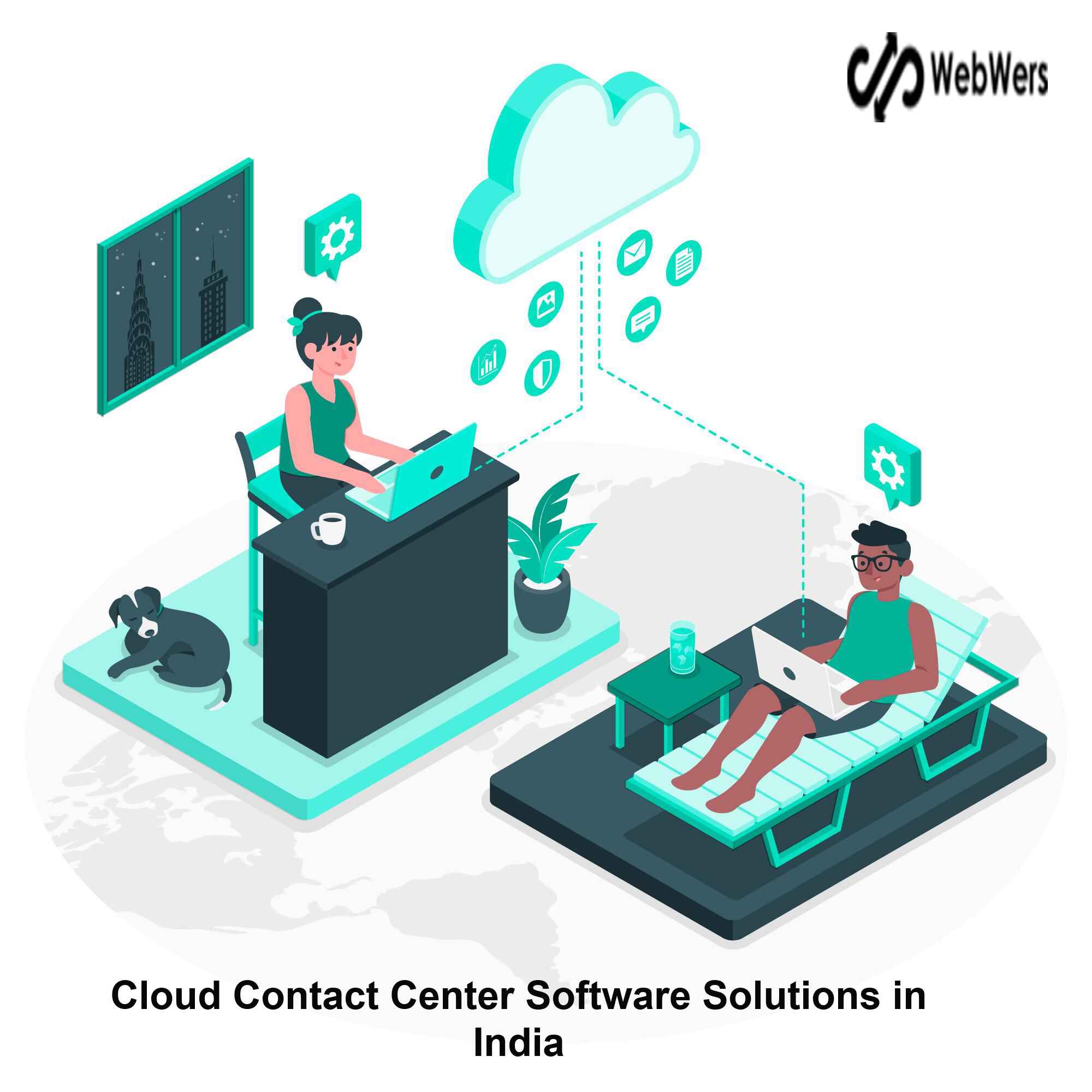
Contact Center as a Service (CCaaS) platforms offer integrated reporting capabilities with real-time dashboards, automated alerts, and mobile accessibility. These solutions provide scalability and flexibility for growing organizations.
Specialized Analytics Platforms focus exclusively on call center analytics, offering advanced features like predictive modeling, machine learning, and artificial intelligence-powered insights.
Best Practices for Call Center Reporting
Data Quality Management
Ensuring data accuracy is fundamental to effective reporting. Implement regular data validation processes, standardize data collection procedures, and maintain consistent naming conventions across all systems.
Establish clear data governance policies that define data ownership, access controls, and quality standards. Regular audits help identify and correct data inconsistencies before they impact reporting accuracy.
Dashboard Design and Visualization
Create role-specific dashboards that provide relevant information to different stakeholders. Agent dashboards should focus on individual performance metrics, while executive dashboards emphasize strategic KPIs and trend analysis.
Use clear, intuitive visualizations that communicate information quickly and effectively. Avoid cluttered displays and ensure that critical information is prominently displayed and easily accessible.
Automated Reporting and Alerts
Implement automated reporting systems that generate regular reports without manual intervention. Schedule daily, weekly, and monthly reports to ensure consistent information distribution.
Configure intelligent alerts that notify managers of significant deviations from normal performance levels. These alerts should be actionable and include sufficient context for quick decision-making.
Performance Benchmarking
Establish internal benchmarks based on historical performance and industry standards. Regular benchmarking helps identify improvement opportunities and track progress over time.
Participate in industry benchmarking studies to understand competitive positioning and identify best practices from leading organizations.
Implementation Strategies
Phased Deployment Approach
Begin with core metrics and gradually expand reporting capabilities. This approach allows organizations to build expertise and refine processes before implementing advanced analytics.
Start with basic operational metrics, then add quality and customer experience measurements, and finally incorporate predictive analytics and advanced features.
Stakeholder Engagement
Involve key stakeholders in the reporting design process to ensure that reports meet actual business needs. Regular feedback sessions help refine reporting requirements and improve adoption rates.
Provide training and support to help users effectively interpret and act on reporting insights. Well-trained users are more likely to make data-driven decisions and achieve positive outcomes.
Integration Planning
Develop a comprehensive integration strategy that connects all relevant data sources. This includes phone systems, CRM platforms, workforce management tools, and quality monitoring systems.
Ensure that integration efforts support real-time data availability and maintain data consistency across all systems.
Common Challenges and Solutions
Data Integration Complexity
Many organizations struggle with integrating data from multiple systems and platforms. Solution strategies include implementing data warehousing solutions, using API-based integrations, and establishing clear data mapping procedures.
Report Overload
Excessive reporting can overwhelm managers and reduce the effectiveness of data-driven decision-making. Focus on key metrics that directly impact business outcomes and eliminate redundant or low-value reports.
User Adoption Issues
Poor user adoption often undermines reporting initiatives. Address this challenge through comprehensive training programs, user-friendly interfaces, and demonstrating clear value propositions.
Real-Time Processing Requirements
Modern call centers require real-time insights for effective management. Implement streaming analytics platforms and ensure that reporting systems can handle high-volume, real-time data processing.
Future Trends in Call Center Reporting
Artificial Intelligence Integration
AI-powered reporting will become increasingly sophisticated, offering predictive insights, anomaly detection, and automated recommendations. Machine learning algorithms will identify patterns and trends that human analysts might miss.
Voice of Customer Analytics
Advanced analytics will provide deeper insights into customer sentiment, preferences, and behavior patterns. This information will enable more personalized service delivery and proactive issue resolution.
Mobile-First Reporting
Mobile accessibility will become essential as managers increasingly need access to real-time information from anywhere. Responsive design and mobile-optimized dashboards will be standard requirements.
Regulatory Compliance Automation
Automated compliance reporting will help organizations meet evolving regulatory requirements while reducing manual effort and improving accuracy.
Conclusion
Call center reporting in 2025 represents a strategic capability that extends far beyond traditional performance monitoring. Organizations that invest in comprehensive reporting capabilities will gain significant competitive advantages through improved operational efficiency, enhanced customer satisfaction, and data-driven decision-making.
Success requires a holistic approach that combines the right metrics, tools, and processes with strong organizational commitment to data-driven management. By following the best practices outlined in this guide and staying current with emerging trends, organizations can build reporting capabilities that drive sustainable business growth and customer success.
The future of call center reporting lies in intelligent automation, predictive analytics, and seamless integration across all customer touchpoints. Organizations that embrace these capabilities today will be well-positioned to meet the evolving demands of customer service excellence in 2025 and beyond.
If you are ready for a software upgrade, our experts can help you assess your needs and find the right plan. Contact Acefone for more details.