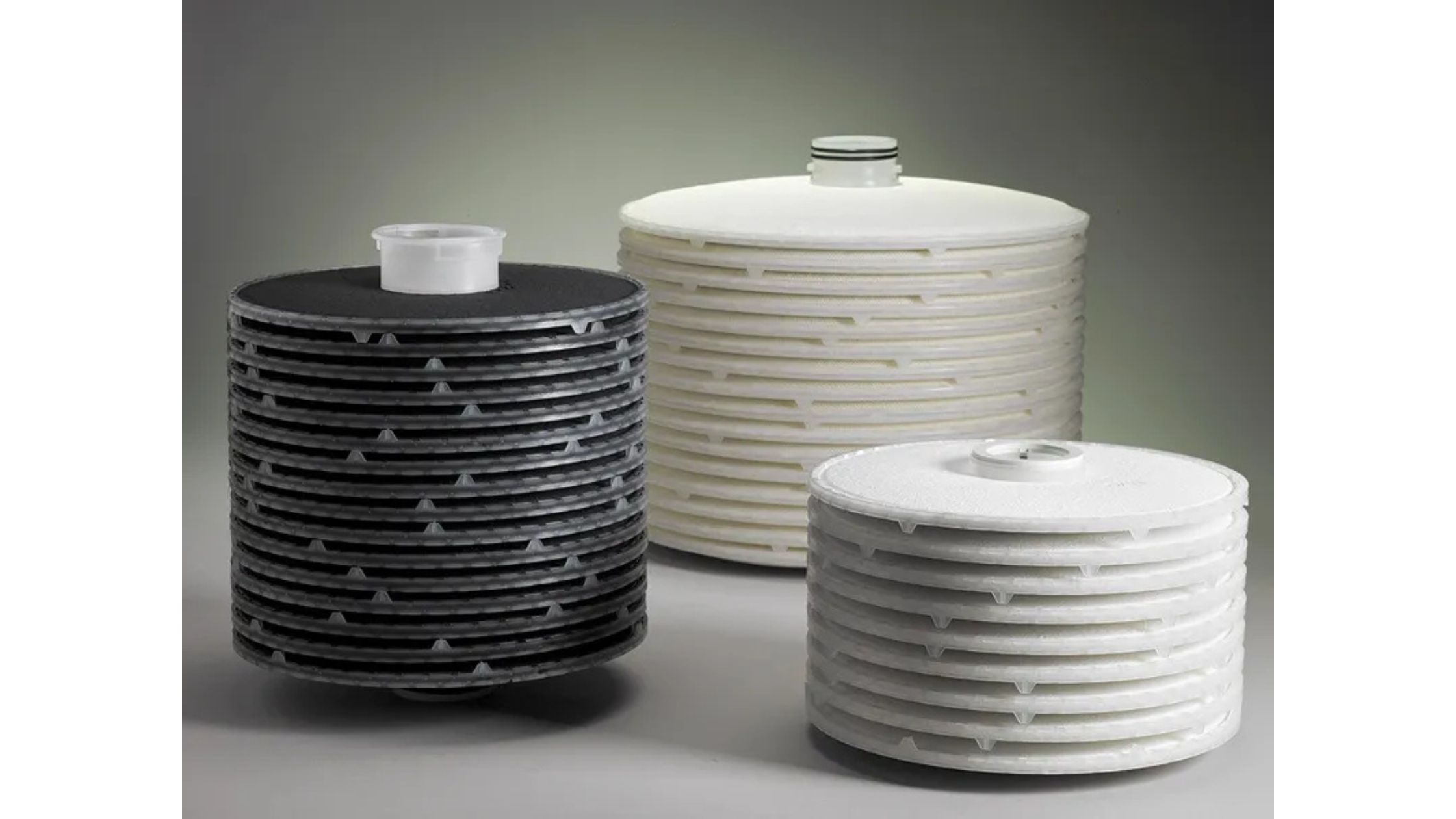
In today’s time, industries are turning to smart technology to work faster, safer, and smarter. One of the biggest changes in food and water processing is the rise of smart and automated filtration systems. These systems help companies make sure that beverages like juice, soda, and clean water are safe to drink and free from unwanted particles.
Thanks to sensors and data tools, filtration is no longer just a background task, it’s now a key part of modern production. Smart filters monitor the process, alert operators before problems happen, and even clean themselves. All of this makes operations smoother, cheaper, and more reliable.
What Is Smart Filtration?
In the past, filters needed to be checked manually. Workers would look at pressure gauges or wait until the product changed in taste or look. That approach caused delays, waste, or even product recalls if a filter failed without warning.
Smart filtration systems are different. They include small electronic sensors that collect data about the system every second. These sensors can check things like:
- Water or juice flow speed
- Pressure before and after the filter
- Temperature
- Clarity or cloudiness (called turbidity)
This real-time data helps operators know how well the filters are working. If anything changes, like a clogged filter or a drop in flow speed, the system can send an alert or automatically adjust the settings. This helps companies catch small problems before they turn into big ones.
Predictive Maintenance: Fixing Problems Before They Happen
Another great feature of smart systems is predictive maintenance. This means the system can guess when a filter will need cleaning or replacing, before it actually stops working. Instead of changing filters too soon (wasting money) or too late (risking bad products), smart filters help find the right time.
How Automation Makes Things Easier
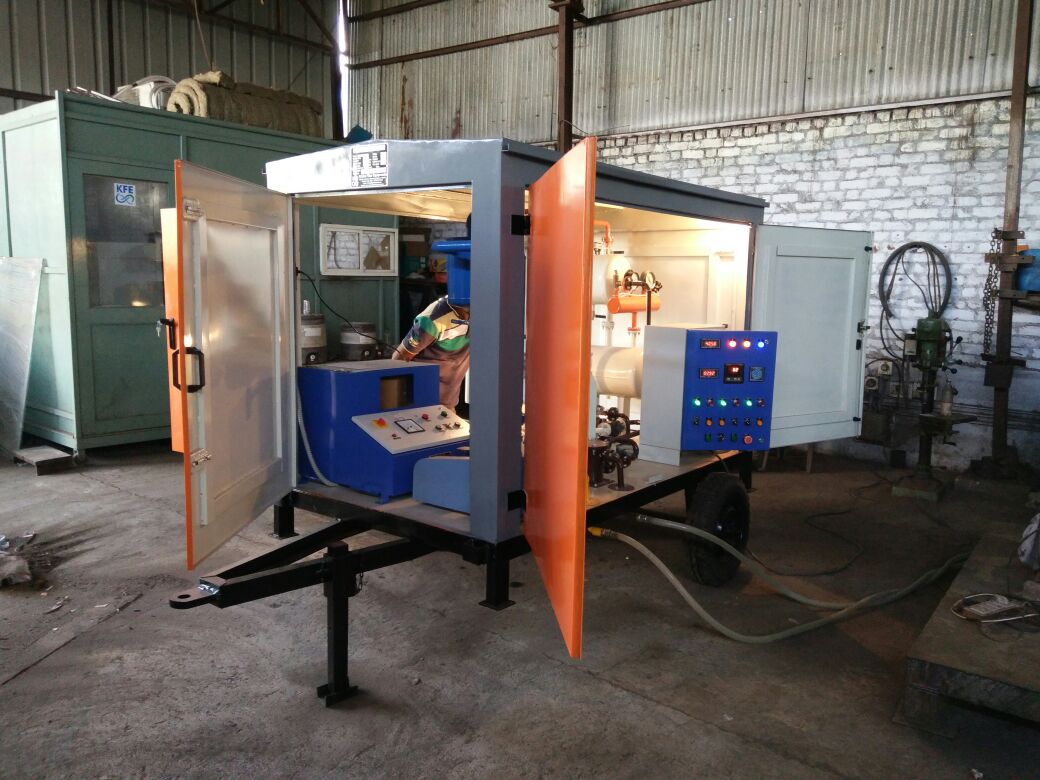
Automation means the system can make decisions without human help. With the right setup, a filtration system can:
- Switch filters when one becomes full
- Start cleaning-in-place (CIP) cycles with hot water or chemicals
- Stop the process safely if something goes wrong
- Change settings depending on the product being filtered
This is a big help in factories that make many different drinks. For example, filtering orange juice is different from filtering water. Smart filters can change pressure and flow to match each product, all without needing a worker to reset the machine.
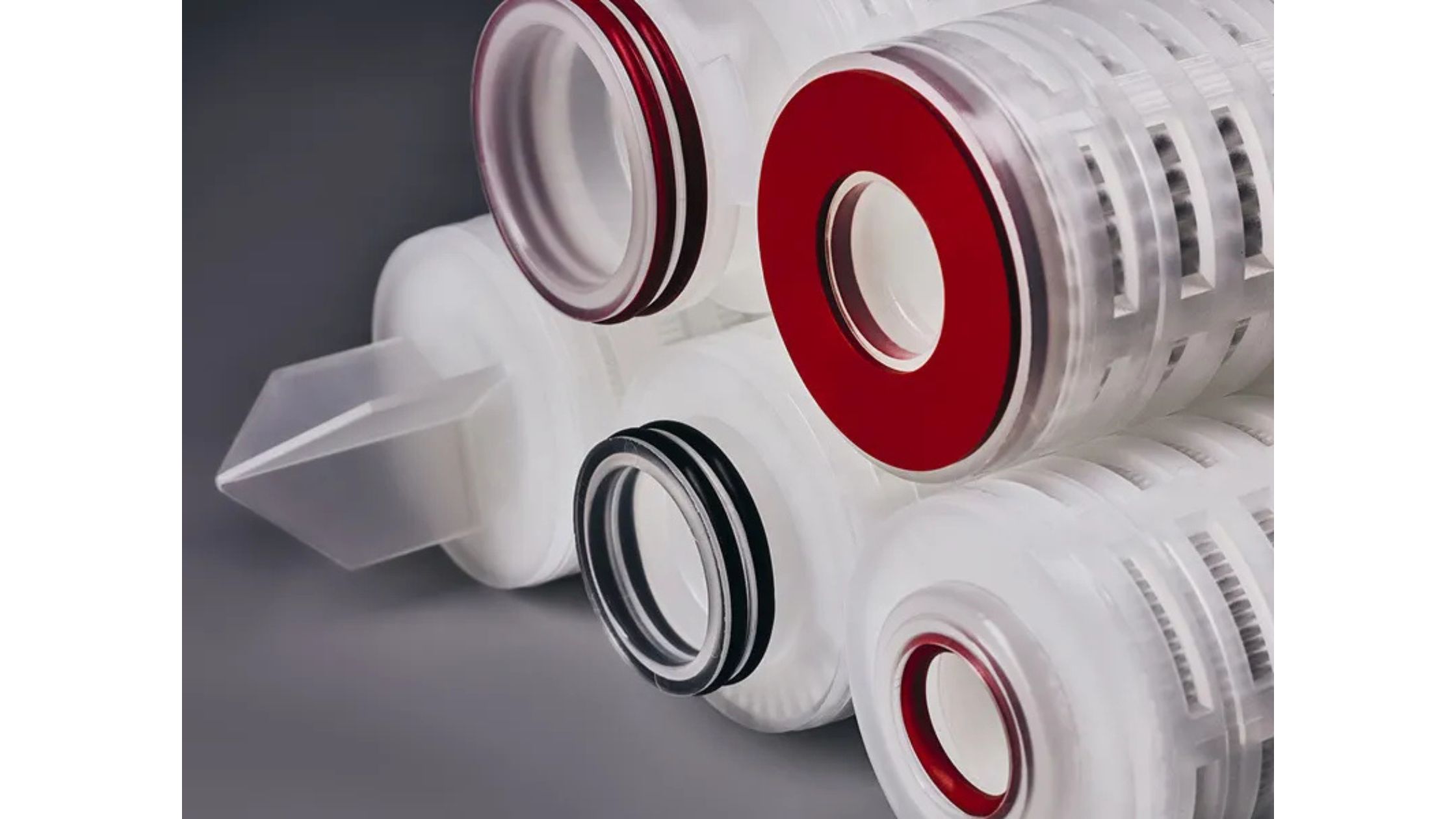
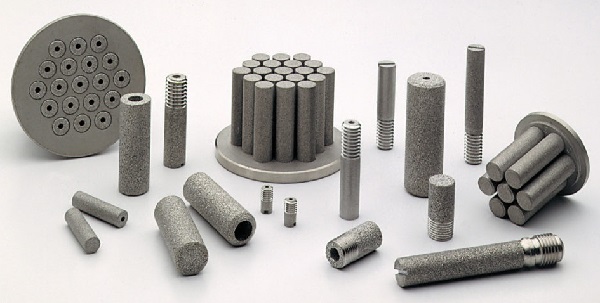
Also, automated systems make it easier to run complex setups, like multi-stage filtration systems. These systems might use different types of depth filter media, carbon filters, and microfilters. If not managed correctly, these stages can overload or cause pressure problems. Smart automation makes sure each part works in harmony, protecting the system and keeping product quality high.
Data Logging: Keeping Records for Safety and Audits
When making products people consume, safety comes first. That’s why food and beverage companies must follow strict rules from agencies like the FDA or USDA. One part of following the rules is keeping records that show everything was done properly.
Smart filtration systems log all their data automatically. This includes:
- When filters were changed
- Temperature and pressure at each step
- Flow rates
- Cleaning cycles
These digital records make it easy to prove compliance during safety audits. If a problem ever happens, the company can quickly check the records and fix it. This protects both the company and the consumer.
Smarter Filters Need Smarter Filter Media
Even with all the high-tech software, the actual filter, the filter media, is still at the heart of the system. Some filtration media suppliers are now offering special filters designed for smart systems. These might have built-in RFID chips or tracking codes so the system knows exactly which filter is being used and how long it has been running.
This helps companies avoid mistakes, like using the wrong filter for a certain product. It also improves safety and quality because the system can make sure the filters meet required standards.
The End Note!
Smart and automated filtration is no longer just an upgrade, it’s becoming the new standard in water and beverage processing. With real-time data, automated control, and predictive maintenance, these systems help companies deliver clean, safe products with less waste and more confidence. For those looking to invest in high-performance filtration solutions and work with experienced filtration media suppliers, Separation Technologies, Inc. offers the tools and expertise to support your success.