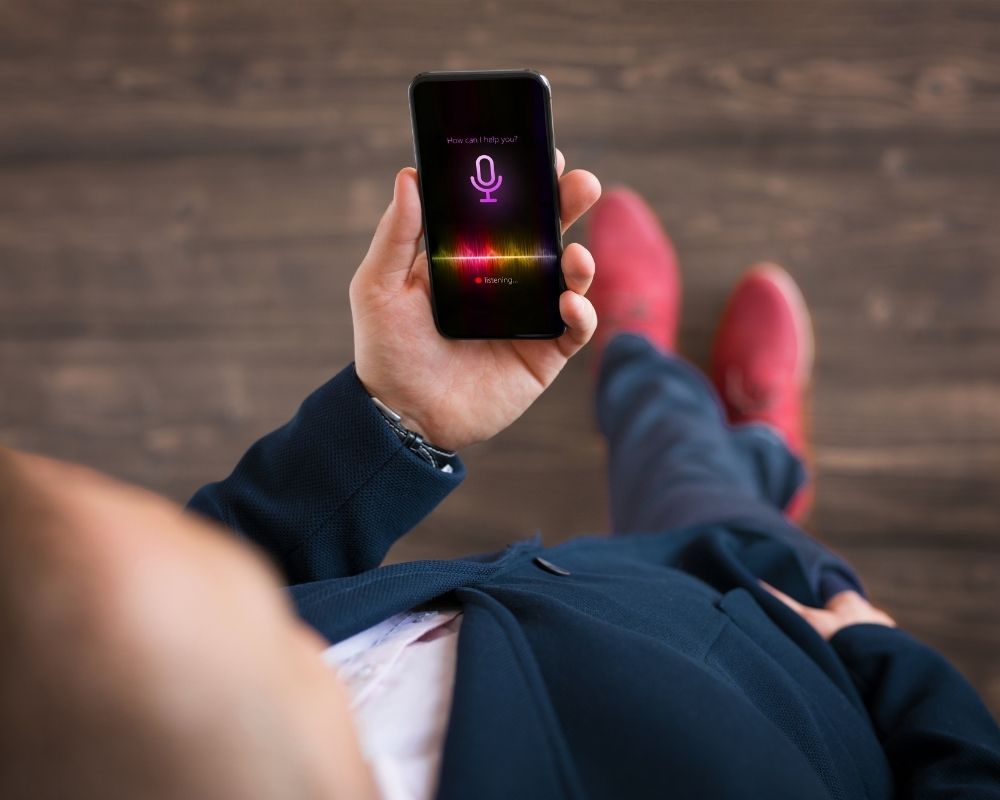


AI significantly enhances voice-based interactions in apps by making them more accurate, intuitive, personalized, and accessible. Here are the key ways AI improves voice UX in mobile applications:
1. Improved Speech Recognition and Natural Language Understanding
AI-powered voice assistants use advanced algorithms like deep neural networks (DNN) and recurrent neural networks (RNN) to achieve high accuracy in transcribing speech to text, even with diverse accents and noisy environments. Natural Language Understanding (NLU) enables the system to grasp user intent, extract relevant information (slot filling), and handle complex, dynamic queries beyond simple commands. This results in smoother, more natural conversations and fewer misunderstandings.
2. Personalized and Context-Aware Interactions
By learning from user behavior and preferences, AI tailors responses and suggestions to individual users. For example, ChatGPT integration enables voice assistants to remember past interactions and provide personalized recommendations, such as suggesting healthy recipes based on previous queries. Contextual awareness—considering time, location, or device state—further refines interaction relevance and timing.
3. Enhanced Usability and Accessibility
Voice AI empowers users with disabilities or limited mobility by enabling hands-free control and navigation. It also benefits multitasking users or those in situations where typing is inconvenient. Real-time voice feedback and conversational interfaces reduce cognitive load and make apps more intuitive.
4. Expanded Functionalities and Real-Time Communication
AI voice assistants can perform a wide range of tasks—from setting reminders and sending messages to controlling smart home devices—through simple voice commands. Integration with AI models like ChatGPT allows handling nuanced questions and generating detailed responses, elevating the assistant’s usefulness beyond basic commands. Real-time translation and emotion recognition further enrich interactions.
5. Continuous Learning and Improvement
AI systems continuously learn from user interactions, improving accuracy and personalization over time. This adaptive learning helps apps stay responsive to evolving user needs and language patterns, enhancing long-term engagement.
Practical Examples
Siri, Google Assistant, Alexa: Leading voice assistants that showcase AI-driven voice recognition and contextual understanding.
Duolingo: Uses voice recognition to provide instant pronunciation feedback.
Dragon Anywhere: Professional dictation app leveraging advanced AI for accurate transcription.
Google Translate: Employs voice recognition for real-time spoken language translation.
Conclusion
AI enhances voice-based interactions in apps by delivering highly accurate speech recognition, deep natural language understanding, personalized and context-aware responses, and improved accessibility. Integrating AI-powered voice assistants transforms mobile apps into more intuitive, efficient, and engaging platforms, unlocking new possibilities for user interaction and satisfaction.
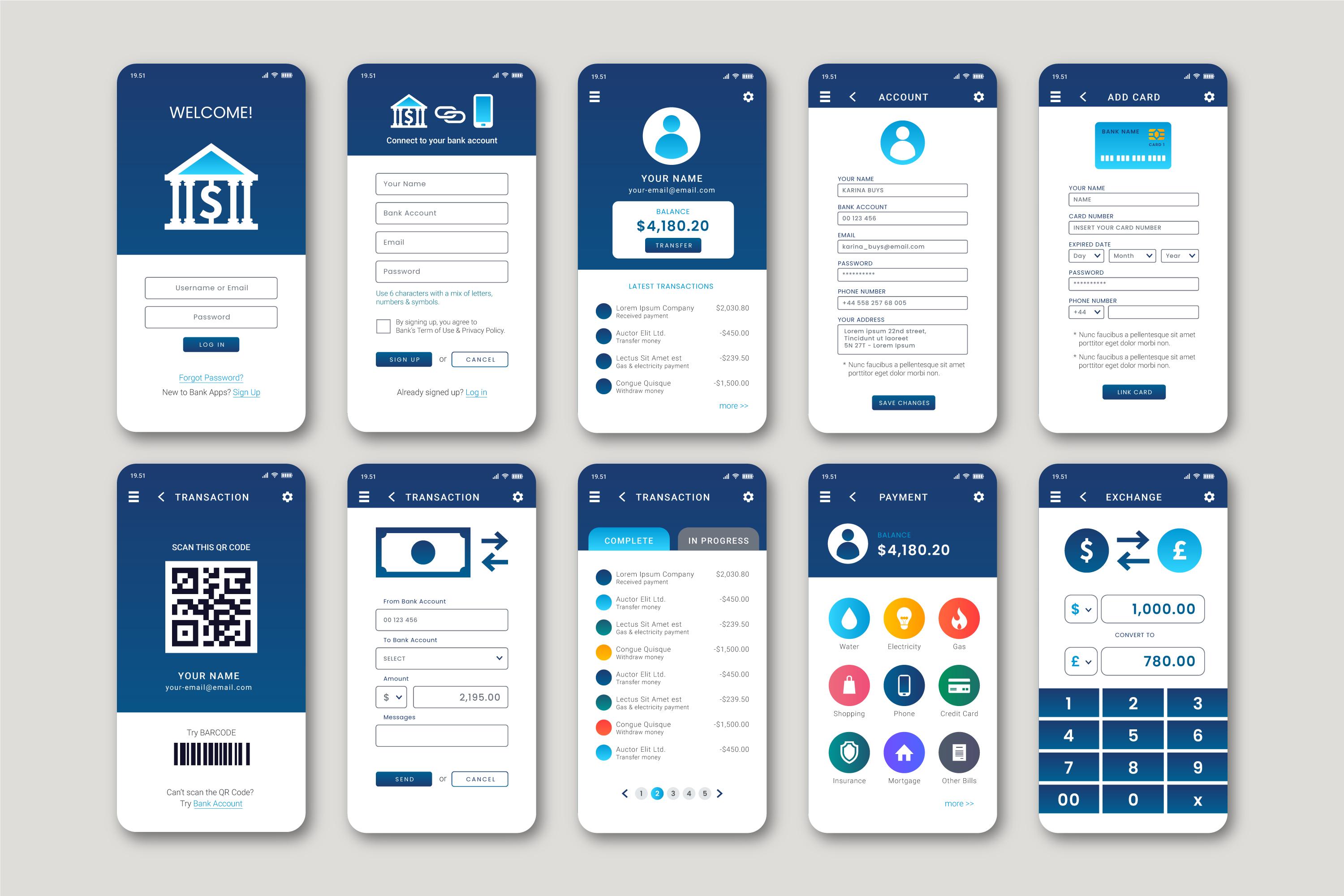


The increase in voice-based mobile apps' demands has brought in a paradigm shift in mobile apps developed after 2011.
Apart from transforming mobile apps worldwide, voice-based apps have also changed how many smartphone users perform online searches daily.One of the most significant reasons behind the steep increase in voice commands-based mobile apps is that it is useful to every kind of audience, irrespective of their age.
Also, it has given business organizations a way to render more personalized services to their targeted audience.