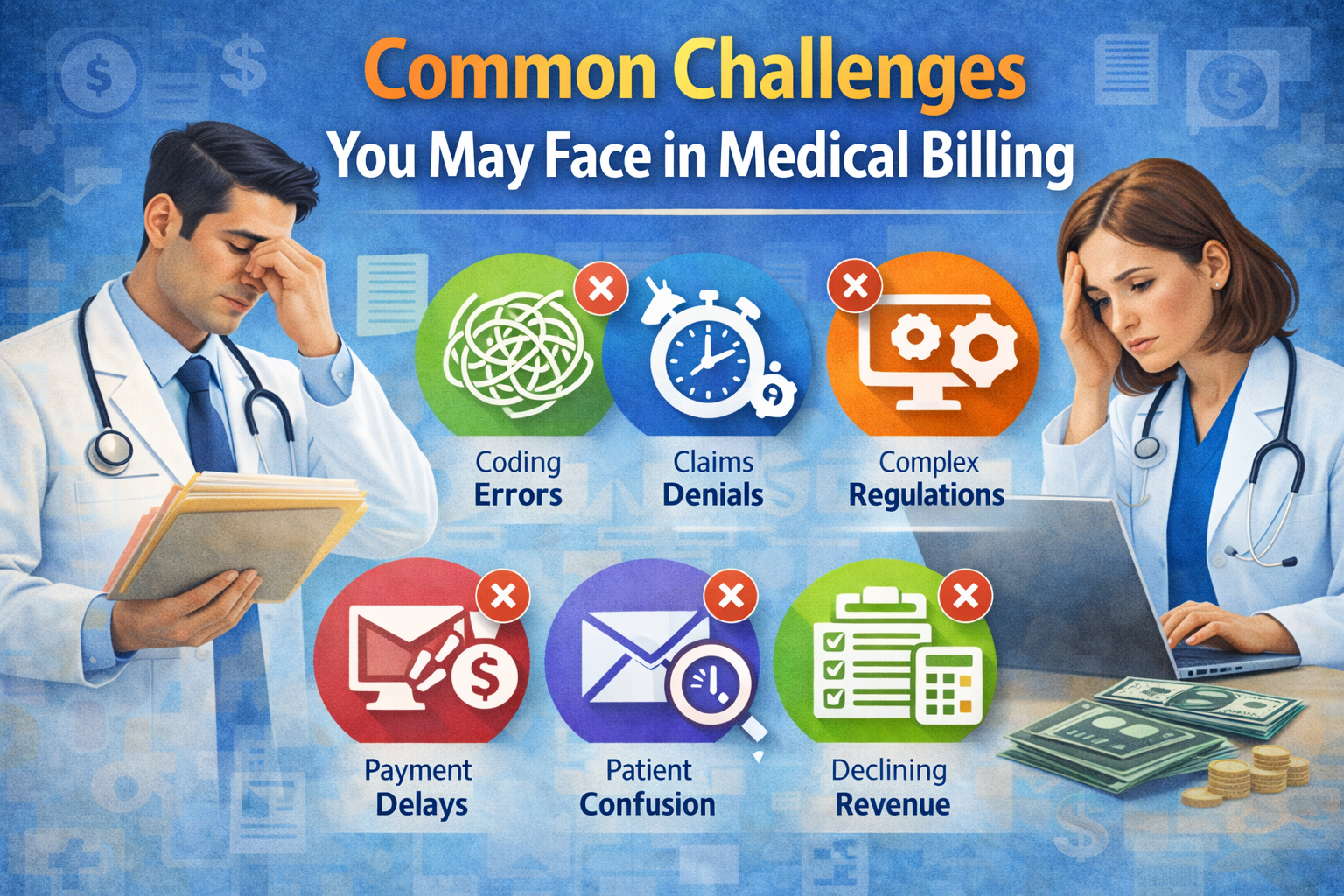



In the modern healthcare environment, clinical laboratories face a growing need for precise administrative management—especially when it comes to billing and coding. These processes are vital for receiving timely payments, maintaining regulatory compliance, and minimizing costly errors.
Laboratories Billing and Coding Services help streamline operations by ensuring that every diagnostic service is coded correctly and billed efficiently. With increasingly complex payer rules and evolving regulations, laboratories that invest in proper billing systems are better equipped to manage risk and ensure financial stability.
Why Laboratories Must Prioritize Billing and Coding
Accurate Reimbursement
Each laboratory procedure must be properly documented and coded using ICD-10, CPT, and HCPCS standards. Without accurate coding, labs face delayed or denied claims, which directly impacts revenue.
Regulatory Compliance
Government and commercial payers enforce strict billing rules. Adhering to these requirements helps labs avoid audits, penalties, or charges of non-compliance.
Operational Efficiency
Efficient billing systems reduce administrative burdens, minimize rework from rejected claims, and allow laboratory professionals to focus on delivering quality care.
5 Practical Tips to Improve Billing and Coding
Below are five actionable tips that laboratories can implement to optimize their billing and coding processes.
1. Stay Current with Coding Updates
Medical coding standards are updated regularly. Labs should:
Subscribe to coding newsletters and CMS bulletins
Review annual CPT/ICD changes
Regularly audit and update code libraries
2. Provide Ongoing Staff Training
Even experienced staff benefit from continued education. Effective training includes:
Quarterly in-house workshops
Access to external certification programs (e.g., CPC)
Cross-training between billing and clinical teams
3. Use Billing Technology Wisely
Technology can reduce errors and improve accuracy. Consider:
Using billing software with automated code updates
Integrating EHR systems for better data transfer
Setting alerts for incomplete or mismatched documentation
4. Conduct Regular Internal Audits
Audits help uncover recurring issues before they become costly. Best practices include:
Reviewing a percentage of claims weekly
Comparing billed services with lab orders
Tracking denial reasons and patterns
5. Understand Payer-Specific Rules
Payers often have unique requirements. To avoid denials:
Keep a centralized library of payer guidelines
Update billing teams as rules change
Maintain direct communication with payer representatives
Integrating Medical Accounts Receivable Services
Even with accurate billing, delayed payments are common. This is where Medical Accounts Receivable Services play a vital role. These services focus on tracking unpaid claims, appealing denials, and improving cash flow.
By integrating AR management into your billing cycle, your lab can secure timely reimbursements and avoid revenue interruptions.
Why Work with Professionals?
Efficient billing and coding often require external expertise. Many labs benefit from partnering with specialists in revenue cycle management. These professionals offer:
In-depth audits
Compliance-focused training
Scalable billing support
One trusted name in this space is RCM Experts, a company known for supporting laboratories with tailored billing and coding solutions designed for accuracy, compliance, and long-term success.
Conclusion
Billing and coding are not just administrative tasks they're critical components of a laboratory’s success. By improving your internal practices, leveraging technology, and staying compliant with payer rules, you can build a more sustainable and efficient operation.
If your lab is seeking to enhance its billing operations, consider exploring professional Medical billing services from experts who understand the unique needs of the laboratory environment. RCM Experts offers reliable solutions that help labs focus on clinical excellence while managing the financial side effectively.