In a world that's getting smarter by the minute, Passive RFID tags are quietly making life a tad easier. These unassuming little gadgets are everywhere, from tracking inventory in big warehouses to helping you check out faster at the supermarket. But what exactly are they, and how do they work? Well, buckle up because we're going to dive deep into the fascinating world of passive RFID tags peeling back the layers of technology and translating the jargon into something we can all understand.
1. What Are Passive RFID Tags?
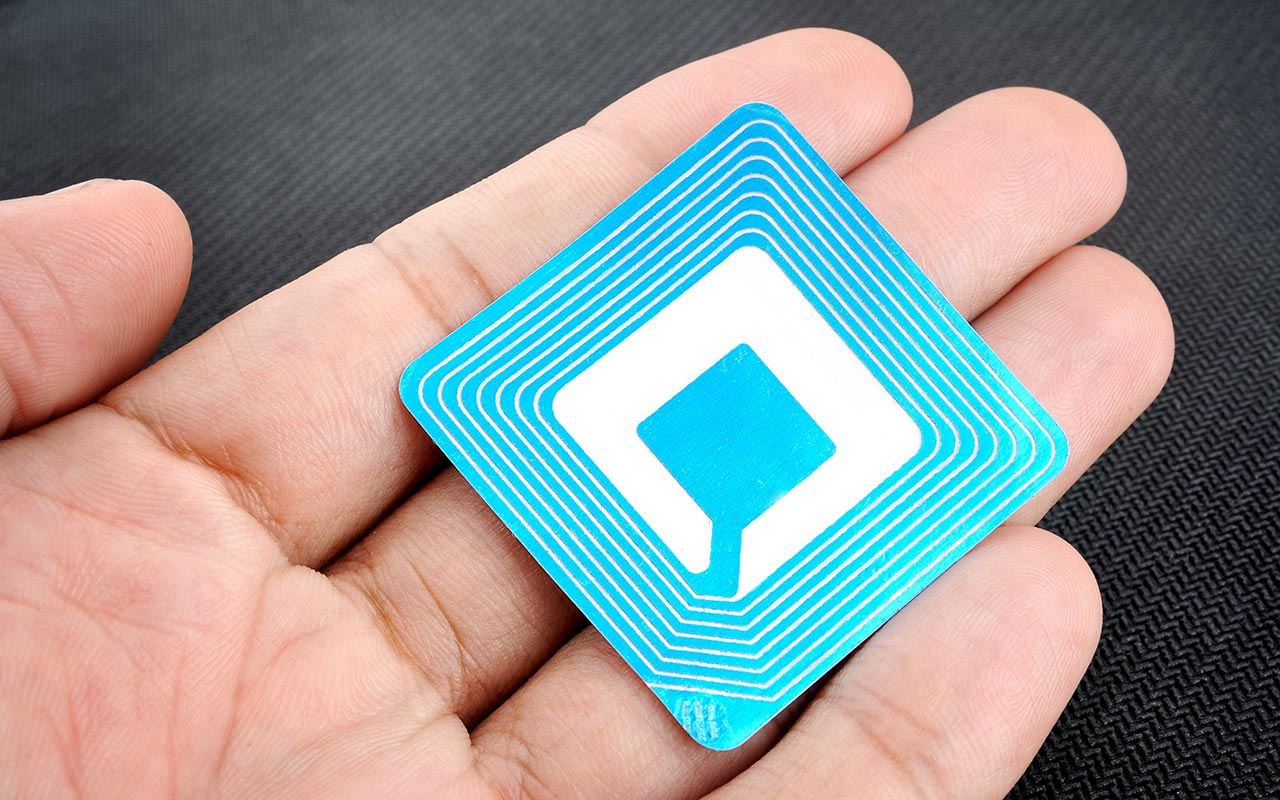
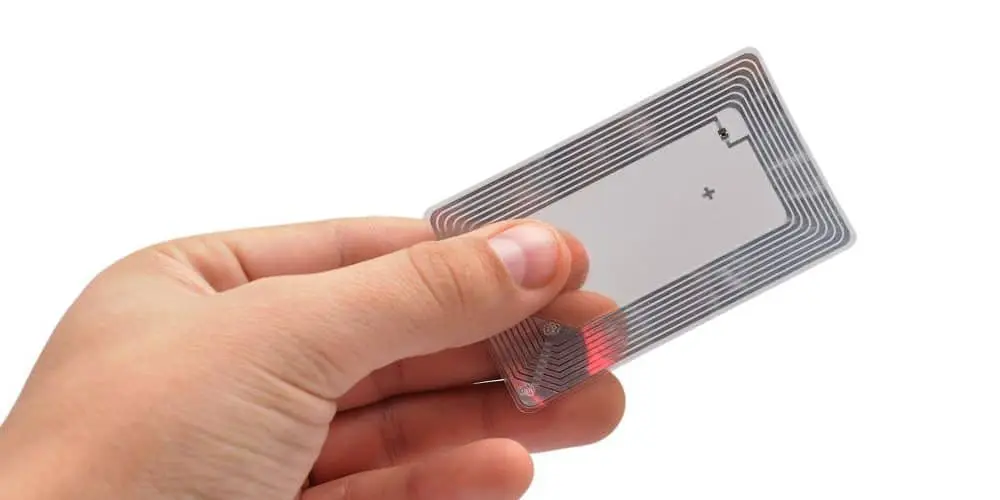
First things first what's in a name? Passive RFID tags are a type of radio-frequency identification technology. They sit passively (hence the name) until activated by a reader, unlike their active counterparts that have their own power source. These tags are the unsung heroes of the retail and logistics sectors, silently keeping things in order.
Think of passive RFID tags like a library card. They don't do much on their own, but once scanned by a librarian err, reader they reveal all the information you need. They're not just limited to books, though; they're attached to all sorts of items, from clothing to pallets of goods, making inventory management a breeze.
2. How Do They Work?
Ever wonder how these small tags manage to store and transmit data without a battery? Magic? Not quite. It's all about electromagnetic fields and a bit of clever engineering. Here's the scoop: a reader sends out a signal that momentarily powers up the passive RFID tag. This tag then sends back a signal containing its stored information. It's kind of like a secret handshake between two pieces of tech.
The beauty of this system is its simplicity. There's no need for wires or batteries just a reader, a tag, and a bit of science. This makes passive RFID tags perfect for environments where keeping things simple is key.
3. The Benefits of Using Passive RFID Tags
Let's be honest, the real world isn't always neat and tidy. Things get misplaced, inventory counts go awry, and time is often in short supply. Here's where passive RFID tags come to the rescue, offering a plethora of benefits.
Cost-Effective: Unlike active RFID tags that need a power source, passive tags are generally cheaper to produce and maintain. This makes them a cost-effective solution for businesses that need to track large volumes of items.
Durability: These tags are built to last. Without a battery to worry about, they can withstand harsh environments and continue to function, making them a reliable choice for outdoor and industrial settings.
Efficiency: Imagine scanning an entire pallet of products in one go instead of one-by-one. That's the kind of efficiency passive RFID tags bring to the table streamlining operations and saving valuable time.
4. Real-World Applications
Alright, so they're nifty little gadgets, but where do we actually see passive RFID tags in action? A good question deserves a good answer.
Retail Therapy: In the retail sector, these tags help manage stock levels and reduce theft. Ever used self-checkout at a supermarket? Thank those passive RFID tags for a faster checkout experience.
Logistics and Supply Chain: Here, the tags are often found attached to pallets and crates, helping track goods as they move from point A to point B. It's like having a personal assistant for your inventory.
Libraries and Archives: Remember the library card analogy? Well, libraries use passive RFID tags to keep track of their collections, ensuring that no book gets lost in the shuffle.
Public Transport: Some cities use passive RFID technology in smart cards for public transportation, making it easier for commuters to hop on and off buses and trains.
5. The Future of Passive RFID Technology
The future is bright for passive RFID tags. As technology advances, these tags are only going to get smarter and more efficient. Imagine a world where every item in your pantry is tagged and can tell you when it’s about to expire. Or where your wardrobe lets you know when it's time to do laundry. It's not science fiction it's the direction we're heading.
Moreover, as the Internet of Things (IoT) continues to grow, passive RFID tags will play a crucial role in connecting objects to the digital network, allowing for seamless communication between devices.
Conclusion
Passive RFID tags may be small, but they pack a punch when it comes to technology. From making shopping more convenient to streamlining logistics, these tags are the quiet achievers of the modern world. So next time you breeze through a self-checkout or find a book right where it's supposed to be, you'll know who or what to thank. These little tags are more than just tech; they're an essential part of our everyday lives, quietly making the complex world just a bit more manageable.