Every year, hundreds of thousands of preventable utility strikes damage underground infrastructure, cutting off services, delaying projects, and costing the industry billions. From fibre-optic cables to gas pipelines, the risks are escalating as excavation activity increases.
To mitigate these threats, utility owners, telecom companies, and municipalities are embracing a new generation of tools: AI-powered automation for 811 ticket management and utility damage prevention.
This isn't just about digitizing paper workflows. It's about using artificial intelligence and real-time automation to predict risk, optimize responses, and build proactive, scalable systems.
Why the Traditional 811 Process Falls Short
The U.S. 811 system (“Call Before You Dig”) is designed to reduce accidental damage during excavation. But the process often breaks down in practice, especially when ticket volumes are high or manual systems are used.
Common challenges include:
- Delayed or missed locate responses
- Overwhelmed field crews and ticket processors
- Lack of visibility into ticket status or location accuracy
- Duplicate or unnecessary tickets clogging the system
In short: the volume and complexity of 811 notifications have outgrown traditional workflows.
Enter: AI and Automation
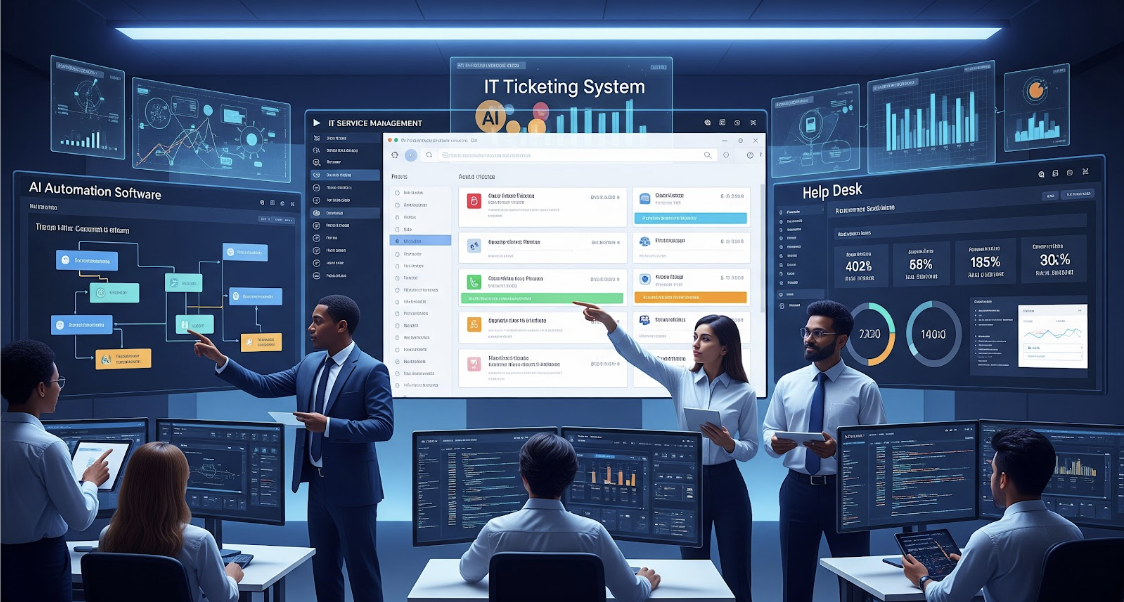
Modern 811 ticket management systems now incorporate AI and automation to handle complexity at scale. These innovations are transforming the entire lifecycle of a locate request—from intake to resolution.
Let’s break down how.
1. Smart Ticket Triage and Prioritization
AI algorithms analyze incoming tickets and assign priority based on:
- Geographic conflict zones
- Proximity to critical assets
- Project scope or excavation type
- Historical risk data (e.g., frequent strike areas)
This enables teams to focus first on high-risk locates, rather than treating all tickets equally.
2. Auto-Routing and Workflow Triggers
Once prioritized, tickets are automatically routed to the correct:
- Locator crews
- Subcontractors
- GIS teams
- Internal departments (e.g., telecom, water, gas)
Systems like BOSS811, for example, use pre-set rules to trigger escalations, reminders, and follow-ups, reducing human error and delay.
📌 See how telecoms use BOSS811 to automate 811 management
3. Geospatial Intelligence and Conflict Detection
AI can cross-reference excavation coordinates with GIS maps to detect potential asset conflicts.
- This geospatial automation flags:
- Dig sites too close to unmarked lines
- Overlapping projects with redundant tickets
- Requests with missing or inaccurate location data
Field teams receive cleaner, more actionable tickets, with fewer false positives.
4. Predictive Analytics for Damage Prevention
By analyzing historical ticket data, strike incidents, crew performance, and asset maps, AI tools can predict where future damages are likely to occur.
Use cases include:
- Recommending additional pre-marking or visual inspections
- Alerting management about high-risk contractors
- Scheduling audits for tickets in strike-prone areas
This proactive intelligence gives utility operators a powerful edge in prevention.
5. Real-Time Dashboards and SLA Alerts
Automation doesn’t stop with the field. Managers and compliance teams gain real-time dashboards that show:
- Tickets nearing SLA deadlines
- Tickets at risk of expiration or late closure
- Locate completion statuses by team or region
This enables instant visibility and faster decision-making, especially during surges or emergency digs.
6. Compliance, Reporting, and Audit Readiness
AI can also help enforce regulatory compliance:
- Automated recordkeeping
- Electronic locate confirmations
- PDF reports with GPS-based mark validation
- Full ticket history logs for legal defense or audits
This ensures agencies stay aligned with state One Call laws and federal regulations.
The Benefits of AI-Driven 811 Management
🔹 Reduced Risk of Utility Strikes
Prioritized ticketing and location intelligence = fewer misses.
🔹 Faster Ticket Resolution
Automated routing and field alerts accelerate response times.
🔹 Operational Efficiency
Free up dispatchers and locators from repetitive manual tasks.
🔹 Better Data, Better Decisions
Analytics dashboards improve planning, contractor management, and resource allocation.
🔹 Scalable Growth
Handle growing excavation activity without proportionally increasing headcount.
Looking Ahead: Autonomous Damage Prevention?
We’re entering a future where AI models can continuously learn from every dig, every damage, and every miss.
Imagine:
- A system that predicts damage before a contractor even requests a locate
- Drones and sensors validating ground conditions in real time
- Dynamic rerouting of field crews based on predictive risk maps
- That’s where utility safety is headed—and AI is the driving force.
Final Thoughts
Utility damage prevention isn’t just about marking lines. It’s about managing complexity, scale, and risk. The organizations that lead in this space will be those that embrace AI and automation, not as a luxury, but as the new standard.