


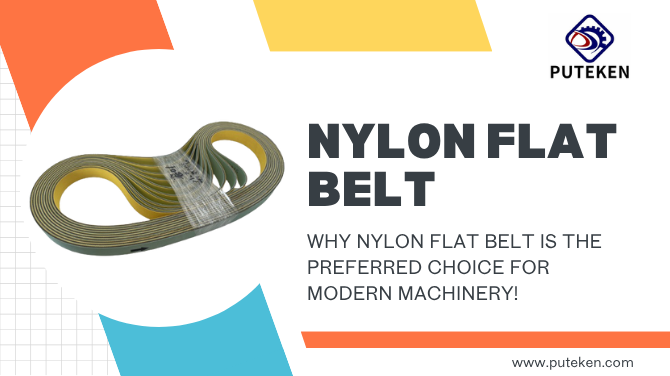
In the rapidly evolving world of industrial automation and machinery, the demand for reliable, efficient, and durable power transmission solutions is at an all-time high. As manufacturers strive to enhance productivity, reduce downtime, and ensure the smooth operation of their equipment, the choice of transmission belts becomes a critical factor. Among the various options available, the Nylon Flat Belt has emerged as the preferred choice for modern machinery across a wide range of industries.
At Shanghai Puteken Transmission System Co., Ltd., we are dedicated to providing advanced transmission solutions that meet the diverse needs of our clients. Our expertise in designing and manufacturing high-quality Nylon Flat Belts has enabled countless businesses to achieve superior performance, cost savings, and operational excellence.
Understanding the Nylon Flat Belt
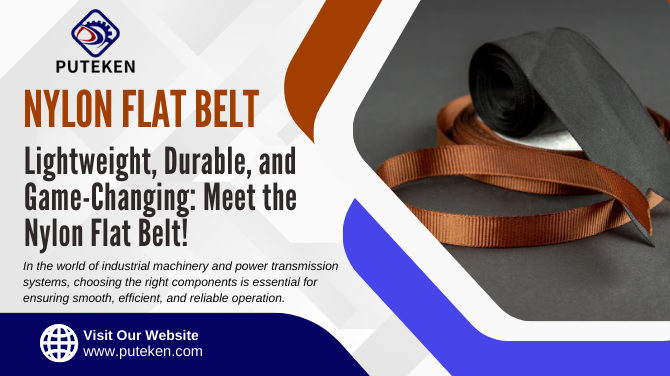
A nylon flat belt is a type of power transmission belt made from high-strength nylon fibers, often combined with other materials such as rubber or polyurethane for added flexibility and durability. The belt features a flat, smooth surface, which allows for efficient power transmission and minimal slippage.
Nylon flat belts are known for their exceptional tensile strength, flexibility, and resistance to wear and tear. These properties make them ideal for use in a wide range of machinery, from textile machines and printing presses to packaging equipment and conveyor systems.
Key Features and Advantages of Nylon Flat Belts:
Transitioning from traditional leather or rubber belts to Nylon Flat Belts offers a host of benefits, making them the preferred choice for modern machinery. Some of the key features and advantages include:
1. Superior Tensile Strength
One of the most significant advantages of a nylon flat belt is its high tensile strength. Nylon fibers are renowned for their ability to withstand heavy loads and high tension without stretching or breaking. This makes nylon flat belts ideal for applications that require reliable power transmission over long distances or under demanding conditions.
2. Excellent Flexibility
Nylon flat belts are highly flexible, allowing them to bend and twist around pulleys and rollers with ease. This flexibility ensures smooth operation, reduces the risk of belt misalignment, and minimizes wear on both the belt and the machinery.
3. Low Stretch and High Dimensional Stability
Unlike traditional belts that may stretch over time, nylon flat belts maintain their shape and size even after prolonged use. This high-dimensional stability ensures consistent performance, reduces the need for frequent adjustments, and extends the lifespan of the belt.
4. Resistance to Wear, Abrasion, and Chemicals
Nylon is inherently resistant to wear, abrasion, and a wide range of chemicals. This makes nylon flat belts suitable for use in harsh industrial environments where exposure to oils, solvents, and other chemicals is common.
5. Quiet and Smooth Operation
The smooth surface of a nylon flat belt ensures quiet and vibration-free operation, which is essential for applications where noise reduction is a priority. This feature also contributes to the longevity of both the belt and the machinery.
6. Energy Efficiency
Nylon flat belts have a low coefficient of friction, which means they require less energy to operate compared to other types of belts. This energy efficiency translates into lower operational costs and reduced environmental impact.
7. Versatility in Applications
Nylon flat belts can be customized in terms of width, thickness, and length to suit a wide range of applications. Whether you need a belt for high-speed machinery or heavy-duty equipment, there is a nylon flat belt solution that fits your needs.
Why Nylon Flat Belt is the Preferred Choice for Modern Machinery?
The unique combination of strength, flexibility, durability, and efficiency makes the Nylon Flat Belt the preferred choice for modern machinery. Let’s explore some of the key reasons why industries are increasingly opting for nylon flat belts:
1. Reliability in High-Speed Applications
Modern machinery often operates at high speeds, placing significant demands on transmission belts. Nylon flat belts are designed to handle these high-speed operations without slipping, stretching, or overheating. Their ability to maintain consistent tension and grip ensures reliable power transmission, even in the most demanding environments.
2. Reduced Maintenance and Downtime
Frequent belt replacements and adjustments can lead to costly downtime and maintenance expenses. Nylon flat belts are engineered for longevity, with minimal stretch and high resistance to wear. This means fewer replacements, less maintenance, and more uptime for your machinery.
3. Compatibility with Modern Automation Systems
As industries embrace automation and smart manufacturing, the need for precise and reliable power transmission becomes paramount. Nylon flat belts offer the accuracy and consistency required for automated systems, ensuring smooth and synchronized operation of multiple components.
4. Cost-Effectiveness
While the initial investment in nylon flat belts may be higher than traditional belts, the long-term savings are substantial. Reduced maintenance, longer lifespan, and improved energy efficiency all contribute to a lower total cost of ownership.
5. Enhanced Safety
Nylon flat belts are designed to operate quietly and smoothly, reducing the risk of accidents caused by belt slippage or breakage. Their resistance to chemicals and extreme temperatures also enhances safety in hazardous environments.
6. Environmental Sustainability
Nylon flat belts are often more environmentally friendly than traditional leather or rubber belts. Their energy-efficient operation and long service life reduce waste and support sustainability initiatives.
Applications of Nylon Flat Belts in Modern Machinery
The versatility of Nylon Flat Belts has led to their adoption in a wide range of industries and applications. Some of the most common uses include:
1. Textile Industry
Nylon flat belts are widely used in textile machinery for spinning, weaving, and knitting operations. Their high strength and flexibility ensure smooth and efficient operation, even at high speeds.
2. Printing and Packaging
In printing presses and packaging machines, nylon flat belts provide reliable power transmission and precise control over product movement. Their smooth surface prevents damage to delicate materials and ensures high-quality output.
3. Conveyor Systems
Nylon flat belts are ideal for use in conveyor systems, where they transport products and materials efficiently across various stages of production. Their durability and resistance to wear make them suitable for continuous operation.
4. Paper and Pulp Industry
In paper mills, nylon flat belts are used to drive rollers and other equipment involved in the production and processing of paper. Their resistance to moisture and chemicals ensures long-lasting performance.
5. Food Processing
Food processing equipment often requires belts that are resistant to oils, fats, and cleaning agents. Nylon flat belts meet these requirements while providing smooth and hygienic operation.
6. Woodworking and Furniture Manufacturing
Nylon flat belts are used in woodworking machines for cutting, sanding, and finishing operations. Their high tensile strength and flexibility ensure precise and efficient power transmission.
7. Automotive and Electronics
In the automotive and electronics industries, nylon flat belts are used in assembly lines, testing equipment, and material handling systems. Their reliability and low maintenance requirements make them ideal for high-volume production environments.
Customization and Design Considerations
At Shanghai Puteken Transmission System Co., Ltd., we understand that every application has unique requirements. That’s why we offer a wide range of customization options for our Nylon Flat Belts, including:
- Material Selection: Choose from different grades of nylon and reinforcement materials to suit your specific needs
- Belt Width and Thickness: Customize the dimensions to fit your machinery and operational requirements
- Surface Coatings: Add specialized coatings for enhanced grip, wear resistance, or chemical protection
- Joint Types: Select from endless, laced, or mechanical joints based on your installation and maintenance preferences.
Our team of experts works closely with clients to design and manufacture nylon flat belts that deliver optimal performance and reliability.
Maintenance and Best Practices
To maximize the lifespan and performance of your Nylon Flat Belt, regular maintenance and proper handling are essential. Here are some best practices to keep in mind:
1. Routine Inspections
Regularly inspect the belt for signs of wear, damage, or misalignment. Address any issues promptly to prevent downtime and maintain process efficiency.
2. Cleaning
Keep the belt clean and free from debris, dust, and contaminants. Use appropriate cleaning agents and methods based on the belt material and application.
3. Tension and Alignment
Ensure that the belt is properly tensioned and aligned to prevent slippage, misalignment, or excessive wear. Adjust tension and tracking as needed based on manufacturer recommendations.
4. Replacement and Upgrades
Monitor belt condition and replace worn or damaged belts promptly. Consider upgrading to advanced materials or designs to enhance performance and extend service life.
The Shanghai Puteken Advantage
As a leading provider of transmission solutions, Shanghai Puteken Transmission System Co., Ltd. is committed to innovation, quality, and customer satisfaction. Our Nylon Flat Belts are engineered to meet the highest standards of performance and reliability, backed by comprehensive technical support and after-sales service.
Whether you are looking to improve product quality, increase process efficiency, or address specific power transmission challenges, our team is here to help you find the perfect solution. With a commitment to continuous improvement and customer-centric innovation, we are your trusted partner for all your transmission belt needs.
The Nylon Flat Belt is a testament to the power of innovation in modern power transmission. Its unique combination of strength, flexibility, durability, and efficiency has made it the preferred choice for a wide range of machinery and industries. By investing in high-quality nylon flat belts from Shanghai Puteken Transmission System Co., Ltd., you can optimize your operations, reduce costs, and stay ahead in a competitive market.
Frequently Asked Questions (FAQ)
Q1: What materials are used to manufacture nylon flat belts?
A: Nylon flat belts are primarily made from high-strength nylon fibers, often combined with rubber, polyurethane, or other reinforcement materials to enhance flexibility and durability.
Q2: How do I determine the right belt size for my machinery?
A: The optimal belt size depends on factors such as pulley diameter, center distance, load requirements, and operational speed. Our experts at Shanghai Puteken Transmission System Co., Ltd. can help you select the best configuration for your needs.
Q3: Are nylon flat belts suitable for high-speed applications?
A: Yes, nylon flat belts are designed to handle high-speed operations with minimal stretch and consistent tension, making them ideal for modern machinery.
Q4: Can nylon flat belts be used in food processing applications?
A: Absolutely. Nylon flat belts made from food-grade materials are widely used in food processing for their resistance to oils, fats, and cleaning agents.
Q5: How do I maintain and clean a nylon flat belt?
A: Regular cleaning and inspection are essential. Use appropriate cleaning agents and methods based on the belt material. Avoid harsh chemicals or abrasive tools that could damage the belt.
Q6: What industries benefit most from nylon flat belts?
A: Industries such as textiles, printing, packaging, paper, food processing, woodworking, automotive, and electronics benefit significantly from the unique features of nylon flat belts.
Q7: Can nylon flat belts be retrofitted to existing machinery?
A: In most cases, yes. Nylon flat belts can be customized to fit existing machinery, provided that the system is compatible with the belt material and design.
Q8: What is the typical lifespan of a nylon flat belt?
A: The lifespan depends on factors such as material, operating conditions, and maintenance practices. With proper care, nylon flat belts can provide years of reliable service.
Q9: Are there any limitations to using nylon flat belts?
A: While nylon flat belts offer many advantages, they may not be suitable for applications involving extremely high temperatures or abrasive materials. Consult with our experts to determine the best solution for your application.
Q10: How can I order a custom nylon flat belt from Shanghai Puteken Transmission System Co., Ltd.?
A: Simply contact our sales team with your application details and requirements. We will work with you to design and manufacture a nylon flat belt tailored to your needs.


As with all health-related products, especially during pregnancy, the key to making the right decision is knowledge.
Consulting a women’s health care professional like a Women’s Health Physiotherapist is always a good idea.
So, what are Belly Belts, Maternity Belts and Pregnancy Belts?
