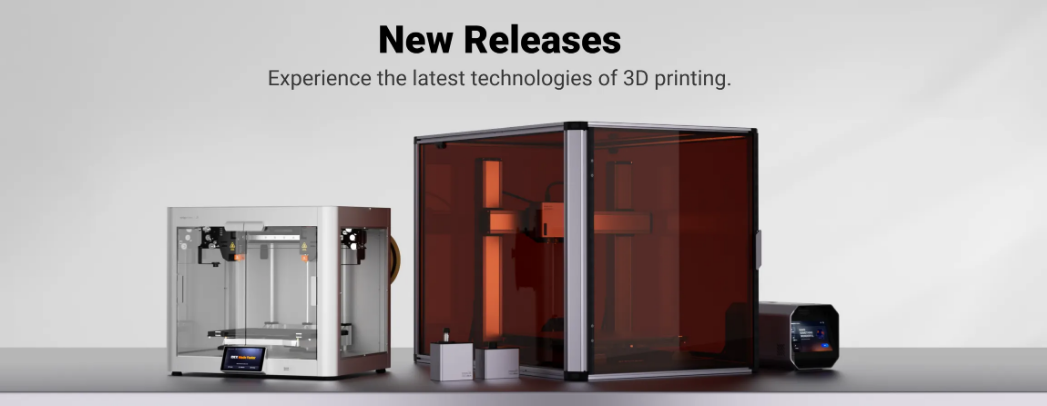
When I first started 3D printing, I was amazed by the possibilities—printing custom tools, functional parts, and even small figurines at home felt futuristic. But one thing quickly became clear: most of my prints looked, well… kind of dull. They were functional, sure, but they lacked the visual punch I had envisioned. Everything came out in a single color, unless I went through the tedious process of manually swapping filaments.
That all changed when I discovered the multicolor 3D printer.
If you're wondering whether a multicolor 3D printer is just a gimmick or a game-changer, this post is for you. I’ll walk you through what I learned from researching, testing, and ultimately using one—and whether it’s worth investing in.
What Is a Multicolor 3D Printer?
Simply put, a multicolor 3D printer is a machine that can print in more than one color during the same print job—automatically. No more stopping the print, unloading filament, and reloading a new one. These printers are either equipped with multi-extruder setups or use a single extruder with a filament switching system.
Depending on the model, you can print with two, four, or even more colors. Some high-end models let you use gradient or full-color filaments to produce vibrant and complex objects with color transitions.
Why I Decided to Try a Multicolor 3D Printer
As someone who mostly printed prototypes and mechanical parts, I initially thought color didn’t matter that much. But as I got deeper into hobby printing, especially making miniatures, decorative objects, and educational models, I started wanting more visually engaging prints.
Here’s what pushed me to finally try one:
Time savings: Manual filament swaps were killing my workflow.
Better visual appeal: Multicolor prints stand out immediately.
Expanded project ideas: I could create signs, game pieces, gifts, and models that I never considered before.
I needed something reliable, intuitive, and beginner-friendly—which led me to a multicolor 3D printer.
My Experience: The Good, the Great, and the Things to Know
Let’s break it down.
1. Setup Was Easier Than Expected
I thought the added complexity would mean a painful setup, but I was pleasantly surprised. The calibration process took a little longer than a standard printer, mostly because of the color alignment settings, but the software did most of the heavy lifting.
2. The Prints Look Amazing
This is where the printer really shines. The first time I printed a multicolor Pokémon figure, I was hooked. Layered lettering on signs, colorful keychains, and character models came to life in a way that single-color prints simply couldn’t match.
Colors were cleanly separated, and I was able to adjust the color change points in the slicer software without much hassle.
3. Software Matters
Not all slicers support multicolor printing equally. I used software that specifically supports color layering and filament switching, which helped avoid mishaps. Some trial and error is normal at first, but once you get the hang of it, it’s incredibly smooth.
4. Maintenance Is Manageable
One of my concerns was whether multicolor meant more parts to clean and maintain. While it's true that dual-extruder printers may need more nozzle cleaning and alignment, I found it no more demanding than a regular printer once I got used to it.
Pro tip: Stick with high-quality filaments. Mixing cheap and premium filaments caused some minor jams for me in the beginning.
Things to Consider Before Buying
Multicolor 3D printing isn’t for everyone. Before you dive in, think about these factors:
➤ Price
A multicolor 3D printer typically costs more than a standard one. But if you're printing decorative items, models, or products for sale, the investment can pay off fast.
➤ Print Speed
Switching filaments or using multiple extruders can slow down your prints. If you’re in a hurry, that’s something to keep in mind.
➤ Learning Curve
There’s a slight learning curve—especially if you’re used to simple one-color prints. But it’s nothing a few tutorials and some hands-on experimentation won’t fix.
➤ Slicer Compatibility
Make sure your favorite slicer software supports multicolor printing—or be ready to switch. Many free and paid options work great, but not all are intuitive for beginners.
Who Should Get a Multicolor 3D Printer?
Here’s my take: if you’re into any of the following, you’ll love a multicolor printer:
Cosplay props and costumes: Add realistic color details without painting.
Educational models: Print color-coded parts for better learning aids.
Board game accessories: Create custom pieces with style.
Gifts and crafts: Personalized keychains, signs, or ornaments.
Business branding: Multicolor logos and prototypes for visual impact.
If your prints are mostly functional (like brackets or spare parts), you might not need it. But if you’re creating anything meant to be seen and admired, you’ll appreciate the upgrade.
Final Verdict: Totally Worth It
After months of printing with a multicolor 3D printer, I can confidently say it was one of the best decisions I made in my 3D printing journey. Not only has it made my prints more exciting, but it’s also opened up new creative directions I hadn’t even considered before.
It’s easy to think color is just cosmetic—but when your projects look better, you’re more motivated to create. Plus, when you can skip painting altogether, you save hours of extra work.
If you’ve been on the fence, this is your sign to give it a try.
Quick Tips for First-Time Multicolor Printers
Start with simple two-color prints to get the hang of transitions.
Label your filaments clearly—especially if you're switching them often.
Use purge towers to prevent color bleeding when changing filaments.
Check slicer settings carefully; color assignment is crucial.
Watch print progress closely at first to catch misalignments early.
Wrapping Up
Whether you're a hobbyist, a small business owner, or just someone who wants to take your 3D printing to the next level, investing in a multicolor 3D printer can be a game-changer. It’s fun, it’s practical, and it adds a whole new layer of creativity to your work.
Just make sure to pick a reliable machine, use good filaments, and be patient as you learn the ropes.
In the end, there’s something incredibly satisfying about watching your designs come to life in full color—no painting required.