Helmets with Bluetooth
Bluetooth technology has fundamentally transformed the landscape of motorcycle helmets, ushering in an era where safety, entertainment, and communication are seamlessly integrated into the riding experience. Helmets equipped with Bluetooth capabilities enable riders to connect wirelessly to their smartphones, GPS units, intercom systems, and other compatible devices, creating a connected environment that enhances convenience and safety on the road. This wireless connectivity allows riders to make and receive calls hands-free, listen to music, follow navigation instructions, and communicate with fellow riders without taking their hands off the handlebars or diverting their attention from the road. Such features significantly reduce the risk of accidents caused by distracted riding, making Bluetooth-enabled helmets a vital component of modern motorcycle gear.
However, despite the numerous advantages, traditional Bluetooth helmets face persistent challenges related to device compatibility and ease of use. The core issue stems from the limitations inherent in Bluetooth protocols and hardware configurations. Many helmets support only a single Bluetooth connection at a time, which complicates multi-device management. Riders often encounter difficulties when trying to connect multiple gadgets simultaneously or switch between devices, leading to disconnection issues, pairing frustrations, and overall suboptimal user experiences. As the technology advances, addressing these compatibility and usability hurdles remains crucial for unlocking the full potential of Bluetooth helmets and ensuring they meet the evolving needs of riders worldwide.
Smart Motorcycle Helmets
The advent of smart motorcycle helmets marks a significant leap forward in overcoming the limitations of traditional Bluetooth systems. These helmets are designed with integrated processors, advanced Bluetooth modules, and intuitive user interfaces that facilitate smoother, more reliable connectivity. Unlike earlier models that supported only basic pairing, smart helmets aim to provide a cohesive experience where multiple devices can be connected effortlessly and managed seamlessly. This is achieved through smarter hardware and software solutions that enable quick device switching, multi-device support, and enhanced stability even in challenging environments.
Beyond connectivity, smart helmets incorporate a range of innovative features such as augmented reality (AR) displays, built-in sensors for safety monitoring, voice control, and even biometric tracking. These elements turn the helmet into a comprehensive riding companion that not only protects but also informs and entertains. For instance, AR displays can project navigation directions directly onto the visor, reducing the need to glance at a separate GPS device. Safety sensors can detect impacts or rider fatigue, alerting the rider or emergency services if necessary. Voice control enables hands-free operation of various functions, further minimizing distractions. While these advancements significantly elevate the riding experience, they also introduce new challenges related to ensuring compatibility across diverse devices and standards, especially as technology continues to evolve rapidly.
Full Face Motorcycle Helmet
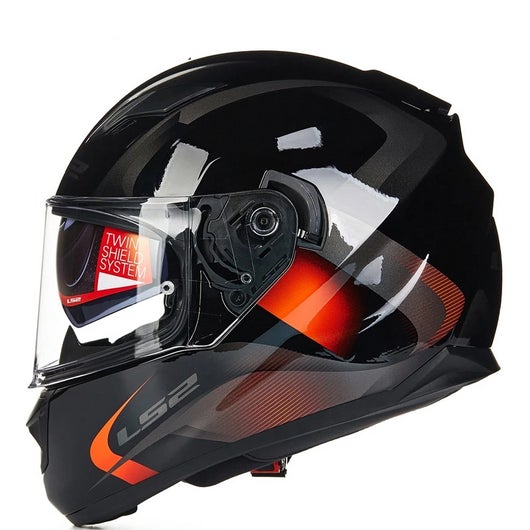
The full face motorcycle helmet is among the most popular and widely used helmet styles, prized for its comprehensive protection and aerodynamic efficiency. It covers the entire head and face, offering superior safety during high-speed rides or in the event of an accident. Integrating Bluetooth technology into full face helmets, however, presents unique challenges due to the helmet’s compact internal space. Manufacturers must carefully design internal layouts to accommodate Bluetooth modules, microphones, speakers, and wiring without compromising the helmet’s structural integrity or safety standards.
One of the main hurdles is signal transmission interference caused by the helmet’s shell and internal components. The positioning of Bluetooth modules is critical; poorly placed devices can result in weak connections, disconnections, or audio quality issues. Despite these obstacles, many companies are innovating with miniaturized, lightweight Bluetooth modules that can be embedded discreetly within the helmet. These advancements aim to preserve the helmet’s aerodynamic profile and safety features while providing reliable connectivity. The key to success lies in balancing the technical requirements for robust wireless communication with the need to maintain the helmet’s protective qualities and comfort for the rider.
Modular Bluetooth Helmets
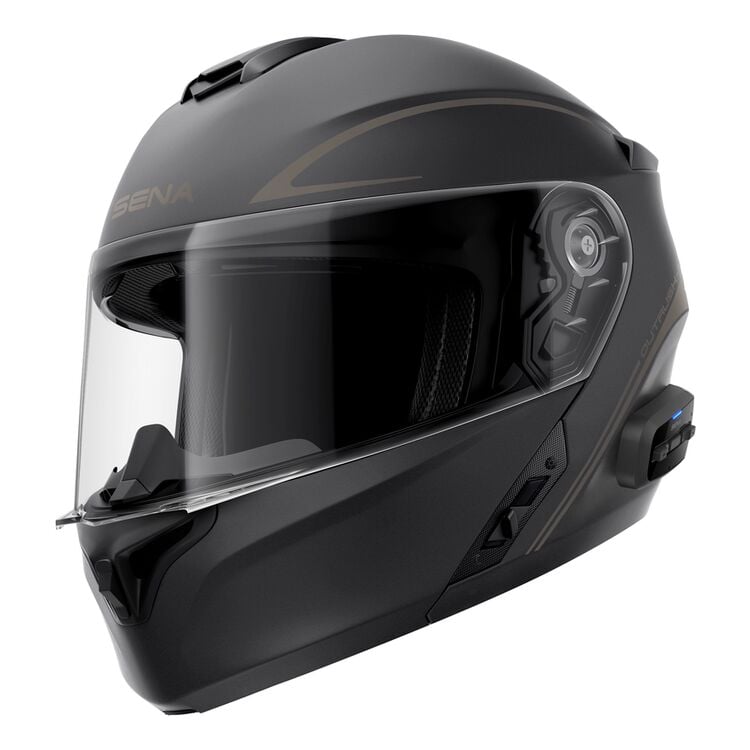
Modular Bluetooth helmets represent a groundbreaking development in motorcycle helmet technology, combining the versatility of modular designs with the latest advancements in wireless connectivity. These helmets feature a flip-up chin bar, allowing riders to switch effortlessly between full-face protection and an open-face configuration. This design not only enhances comfort and convenience but also creates an ideal platform for integrating sophisticated Bluetooth systems.
The larger internal space of modular helmets makes them particularly suitable for accommodating advanced Bluetooth modules, multiple antennas, and other electronic components. This flexibility enables riders to connect several devices simultaneously—such as a GPS, intercom, and smartphone—without sacrificing stability or ease of use. Furthermore, the modular design simplifies maintenance and upgrades, allowing riders to replace or upgrade Bluetooth components as newer standards and gadgets emerge. As a result, modular Bluetooth helmets are increasingly popular among riders who seek a blend of safety, comfort, and cutting-edge connectivity, breaking free from the constraints of traditional helmet designs and paving the way for more adaptable, future-proof solutions.
Breaking Barriers in Motorcycle Tech
The integration of advanced Bluetooth technology into motorcycle helmets is fundamentally breaking down longstanding barriers that once limited connectivity, usability, and device compatibility. Traditional helmets often struggled with issues such as poor multi-device support, complicated pairing processes, and signal interference, which hampered the overall rider experience. These limitations stem from the constraints of Bluetooth protocols, hardware design choices, and the fragmented ecosystem of gadgets available to riders.
Modern innovations are focusing on developing smarter, more adaptable solutions that prioritize user convenience and broad compatibility. This includes adopting universal Bluetooth standards, designing more efficient hardware modules, and creating software interfaces that facilitate seamless device switching and multi-device management. The rise of modular helmets with customizable Bluetooth modules further enhances compatibility, allowing riders to adapt their helmets to new gadgets and standards as they emerge. These technological breakthroughs are fostering a more integrated riding ecosystem—one where safety, entertainment, and communication work harmoniously together—thus breaking down previous barriers and opening new horizons for motorcycle enthusiasts worldwide.
Future Outlook and Innovations
The future of modular Bluetooth helmet compatibility is poised for remarkable innovations that will redefine the riding experience. Researchers and manufacturers are actively exploring new wireless standards beyond traditional Bluetooth, such as Wi-Fi and 5G, to achieve higher data transfer speeds, lower latency, and more reliable connections. These advancements will enable more sophisticated features like real-time data sharing, augmented reality overlays, and enhanced safety monitoring.
Artificial intelligence (AI) and voice recognition technologies are also being integrated into helmets, offering riders more intuitive control over connected devices through natural language commands. This evolution will make interactions more seamless and less distracting, further enhancing safety. Additionally, modular helmets are expected to become more customizable, with detachable or upgradeable Bluetooth modules that allow riders to keep pace with technological progress without replacing the entire helmet. The development of universal compatibility standards, supported by industry-wide collaborations, will ensure that helmets can work effortlessly with a broad range of devices regardless of brand or protocol.
As these innovations unfold, the overarching goal remains to create helmets that are not only safer and more comfortable but also smarter, more adaptable, and fully integrated into a connected riding ecosystem. This ongoing evolution promises to transform motorcycle riding into a more immersive, convenient, and enjoyable experience—breaking barriers and setting new standards in motorcycle technology.
About Suntop
Founded in 2000, Suntop is one of the leading global distributors of electronic components, dedicated to providing comprehensive procurement and supply chain services to the global electronics manufacturing industry. Our services include distribution, spot trading, PPV cost-saving projects, and inventory management. We not only offer high-quality products but also strive to assist our clients in achieving optimal solutions with minimal time and cost.
As a trusted partner for numerous OEMs, ODMs, CEMs, and EMS companies worldwide, our professional team manages millions of component records from thousands of trading partners across dozens of countries daily through our company database. We maintain close business relationships with major factories and distributors in North America, Europe, and Asia to ensure that our clients stay ahead in a highly competitive market.
While Bluetooth integration in full face helmet systems offers undeniable benefits, the industry must address its multi-device shortcomings to deliver truly rider-centric solutions. Until protocols evolve, riders will continue balancing connectivity compromises with safety demands—a challenge that demands urgent innovation.