

Whether you're wandering through the ancient ruins of Athens, soaking up the sun on the beaches of Mykonos, or hiking the scenic trails of Crete, staying connected in Greece is more than a convenience—it’s essential. From using maps to navigate winding island roads to booking last-minute ferries, having reliable mobile data can make or break your trip. But as any seasoned traveler knows, roaming fees can quickly turn a dream vacation into a budgeting nightmare.
This is where eSIM for Greece becomes a game-changer. In this article, we’ll explore what eSIMs are, how they work, and most importantly, why they’re a cost-effective, flexible, and reliable solution for travelers in Greece.
What is an eSIM?
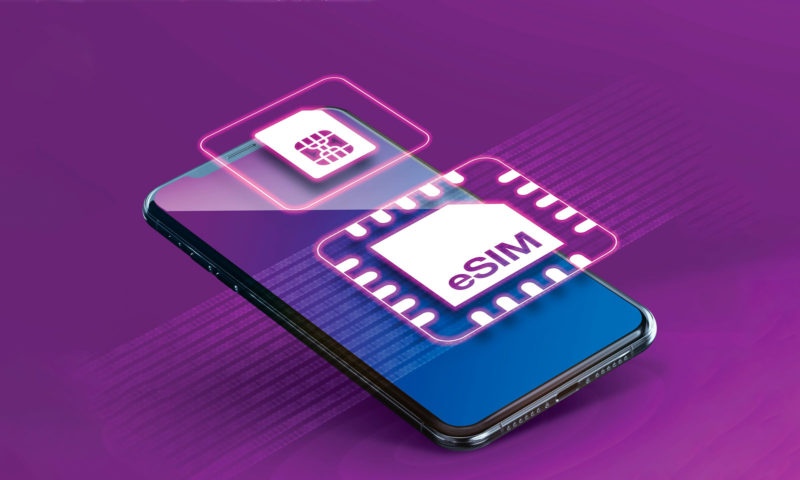
An eSIM, or "embedded SIM," is a digital version of the traditional plastic SIM card. It is built directly into your smartphone, smartwatch, tablet, or laptop. Instead of physically inserting a SIM card from a local carrier, users can download a mobile data plan onto their device digitally, eliminating the need for a physical swap.
This technology is supported by most modern smartphones, including iPhones (from XS onwards), Google Pixel models, and newer Samsung Galaxy devices.
With eSIM for Greece, travelers can activate a local Greek or international data plan within minutes—without visiting a shop or waiting in line at the airport.
Why Travelers Are Switching to eSIMs in Greece
1. No More Expensive Roaming Fees
Roaming charges from home carriers are notorious for being costly. Even with travel add-ons, the data limit is often minimal, and usage fees can skyrocket.
By using an eSIM for Greece, travelers can purchase local or international data plans at Greek market rates—often much cheaper than international roaming.
Example:
A major U.S. carrier may charge $10 per day for roaming in Greece. Over a 10-day vacation, that’s $100. In contrast, an eSIM provider might offer a 10GB plan valid for 30 days for just $20-$30.
2. Instant Activation—No Store Visits Required
Landing in a new country with no internet can be frustrating. Finding a mobile store, understanding plan options in a foreign language, and swapping out SIM cards is time-consuming and inconvenient.
With an eSIM, you can scan a QR code before your trip or upon landing in Greece, activate the plan immediately, and be connected before you even collect your luggage.
This is particularly useful if you're arriving late at night or traveling during peak tourist season when shops are crowded or closed.
The Cost-Effectiveness of eSIMs in Greece
Let’s break down how using an eSIM for Greece can help you save money while enjoying hassle-free connectivity.
1. Pay Only for What You Need
Many eSIM providers offer tiered data plans—from 1GB up to 20GB or unlimited—so you can choose based on your usage. Unlike roaming packages or traditional SIMs that come bundled with unused minutes or texts, eSIM plans are often data-only and designed for modern travelers who mostly rely on apps like WhatsApp, Google Maps, or Instagram.
This means you're not paying for services you don’t use.
Tip:
If you’re staying for just a weekend in Athens, a 1GB or 3GB plan may suffice. But for a longer trip across the islands, a 10GB or more plan offers better value.
2. No Need to Buy or Replace SIM Cards
Physical SIM cards can get lost or damaged, and some local shops might overcharge tourists. With eSIM, there’s no risk of losing your original SIM, as you don’t need to remove it. You can store multiple eSIM profiles on your phone and switch between them as needed.
This is particularly cost-effective for frequent travelers or digital nomads who visit multiple countries, including Greece.
3. Avoid International Credit Card Issues
Purchasing a local SIM sometimes requires local ID or a Greek address. Not all vendors accept foreign credit cards, making it difficult for tourists to access services. With eSIMs, you can pay online using international payment methods like PayPal or credit cards, and avoid unexpected fees or language barriers.
Where Can You Use eSIM in Greece?
The good news is that mobile coverage in Greece is quite reliable, especially in urban and tourist-friendly areas. Major carriers like Cosmote, Vodafone Greece, and WIND Hellas offer 4G and 5G coverage in cities like Athens, Thessaloniki, and Heraklion, as well as on popular islands like Santorini, Rhodes, and Corfu.
Even in smaller villages or remote coastal areas, 4G speeds are generally stable enough for basic tasks like messaging, navigation, and streaming music.
Using an eSIM for Greece connected to one of these major networks ensures a consistent and fast connection wherever your itinerary takes you.
Who Benefits Most from an eSIM in Greece?
1. Tourists on Short Trips
For travelers staying in Greece for a week or two, eSIMs provide the perfect balance of flexibility and affordability. There’s no need for long-term contracts, paperwork, or buying a physical SIM just for a short stay.
2. Digital Nomads and Remote Workers
As Greece becomes increasingly popular among digital nomads—thanks to its laid-back lifestyle, low cost of living, and visa options—eSIMs offer a reliable way to stay connected on the move. Many remote workers switch between cities or islands and need seamless mobile internet without setting up fixed broadband.
3. Frequent Travelers in Europe
If Greece is just one stop on your European adventure, some eSIM providers offer regional or global plans that cover multiple countries. This way, you don’t need a new SIM every time you cross a border. Your plan can continue working in Italy, Spain, or France without interruption.
Things to Consider Before Buying an eSIM for Greece
While eSIMs offer many advantages, there are a few things you should keep in mind:
1. Check Device Compatibility
Not all smartphones support eSIM technology. Before purchasing a plan, check if your device is eSIM-compatible. Most flagship phones made after 2018 are, but it’s always wise to verify.
2. Data-Only Plans
Many eSIMs for Greece are data-only, meaning you won’t have a local phone number for calls or texts. However, this isn’t usually an issue for most travelers who rely on apps like WhatsApp, FaceTime, or Telegram.
3. No Refunds After Activation
Because of their digital nature, most eSIM plans are non-refundable once activated. Double-check your travel dates, device compatibility, and data needs before purchasing.
How to Set Up an eSIM for Greece
Setting up an eSIM is simple and usually takes just a few steps:
- Choose a trusted eSIM provider (many international options exist online).
- Select a Greece-specific or Europe-wide plan.
- Purchase and receive a QR code via email or app.
- On your device, go to Settings > Mobile/Cellular > Add eSIM.
- Scan the QR code and follow the prompts.
- Activate the eSIM and turn on mobile data.
That’s it—you’re connected.
Final Thoughts
Using an eSIM for Greece is a smart, cost-effective solution for modern travelers. Whether you're visiting for a few days or settling in for an extended stay, eSIMs offer flexibility, affordability, and the convenience of instant connectivity.
You no longer need to worry about expensive roaming charges, language barriers at SIM card shops, or unreliable public Wi-Fi. With a few taps on your phone, you’re ready to navigate ancient streets, share stunning sunsets, or catch a ferry—all while staying online.
In an age where connectivity is crucial, eSIMs are not just a travel hack—they’re the future of mobile communication. And in Greece, where every moment is worth capturing, they ensure you’re always just a swipe away from the world.