In today’s healthcare system, accurate and efficient management of patient data is essential for smooth operations, regulatory compliance, and proper reimbursement. At the heart of this process lies the practice of medical coding—a system that transforms diagnoses, treatments, and procedures into standardized codes for billing and data tracking. The demand for Medical Coding Services has grown significantly in recent years as healthcare providers face increasing regulatory requirements, insurance complexities, and the need for precise patient care documentation. Understanding the importance of these services is crucial for both healthcare professionals and those interested in the administrative side of medicine.
Understanding Medical Coding
What Is Medical Coding?
Medical coding is the process of translating healthcare diagnoses, procedures, medical services, and equipment into standardized alphanumeric codes. These codes are typically derived from universally recognized classification systems such as:
ICD (International Classification of Diseases) for diagnoses
CPT (Current Procedural Terminology) for procedures
HCPCS (Healthcare Common Procedure Coding System) for additional medical services and supplies
The role of coding is to ensure uniform documentation that can be understood by healthcare providers, insurance companies, and government agencies.
Why Is It Important?
Without accurate coding, claims can be denied, payment delays can occur, and patient records may be incomplete. Moreover, precise coding helps healthcare organizations maintain compliance with legal and ethical standards, supporting public health data collection and research.
The Role of Medical Coding in Modern Healthcare
Enhancing Patient Care
While coding is primarily an administrative task, its accuracy directly impacts patient care. Correctly coded data ensures continuity between providers, enabling a seamless flow of information across various points in the healthcare system.
Streamlining Billing and Reimbursements
Medical coding acts as a bridge between healthcare providers and insurance companies. By using standardized codes, providers can quickly process claims, reducing delays in payment and minimizing disputes.
Supporting Public Health and Research
Accurate medical codes contribute to large-scale health data that public health agencies and researchers use to monitor disease trends, develop treatment guidelines, and allocate resources effectively.
Common Challenges in Medical Coding
Evolving Coding Standards
Healthcare coding systems are regularly updated to reflect new diseases, procedures, and technologies. Coders must stay current to avoid costly errors.
Human Error
Even experienced coders can make mistakes, such as misinterpreting physician notes or selecting the wrong code, which can lead to claim denials and compliance risks.
Regulatory Compliance
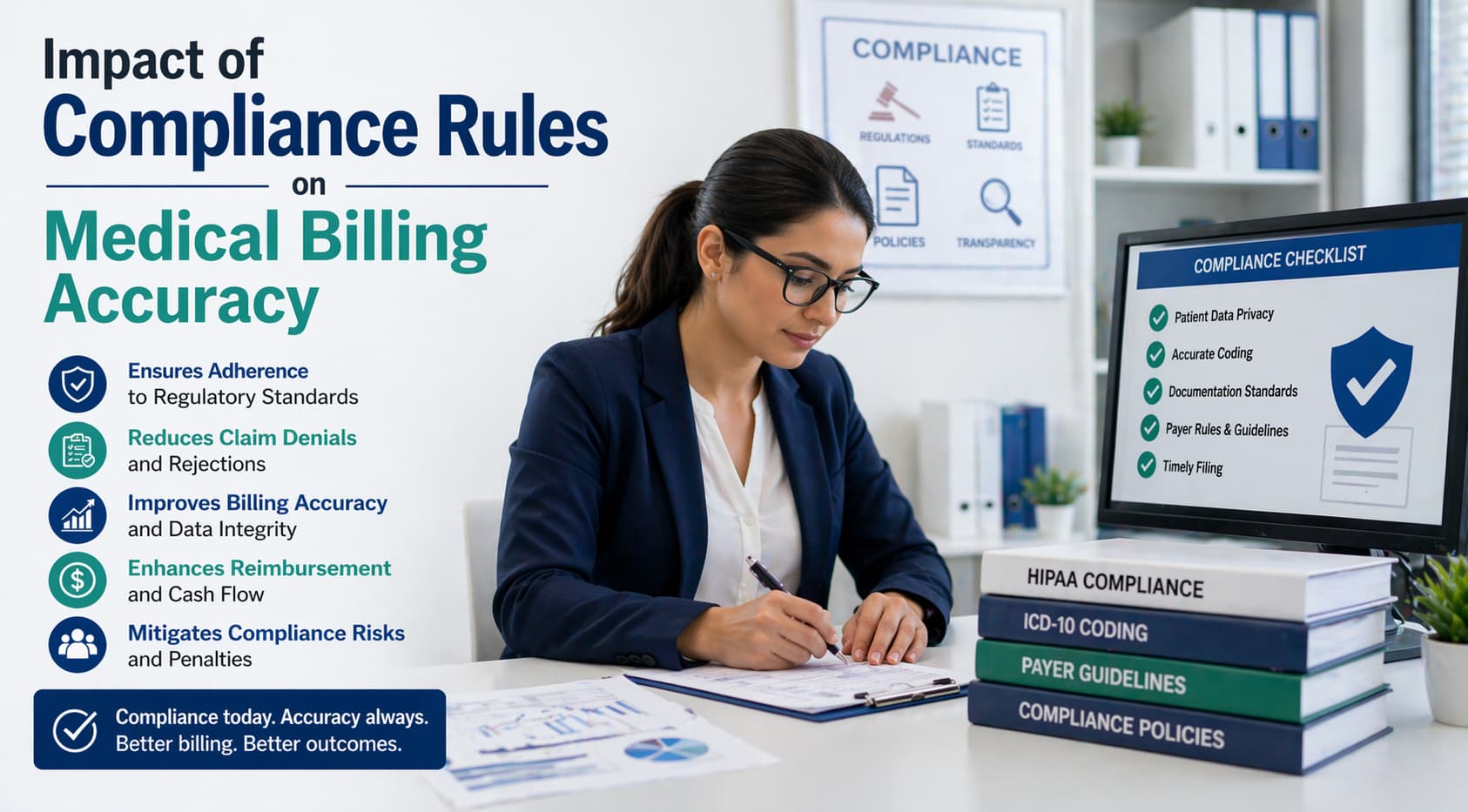
Medical coding must adhere to strict regulations, including HIPAA, which governs patient data privacy. Non-compliance can result in significant penalties.
Five Practical Tips for Improving Medical Coding Accuracy
1. Stay Updated with Coding Guidelines
Coding systems such as ICD-10 and CPT are updated annually. Make it a habit to review the latest guidelines and attend refresher courses or webinars.
2. Improve Documentation Quality
Accurate coding starts with thorough documentation. Encourage physicians and other healthcare staff to provide clear, detailed notes, minimizing ambiguity.
3. Leverage Technology Wisely
Use electronic health record (EHR) systems and coding software that include built-in validation tools to flag potential errors before claims are submitted.
4. Double-Check Complex Cases
For unusual or complex medical cases, always review the coding with a second pair of eyes. Peer reviews can catch errors that automated systems may miss.
5. Invest in Continuous Education
Medical coding is not static—new procedures, treatments, and regulations emerge regularly. Continuous education ensures coders remain skilled and compliant.
How Medical Coding Impacts Healthcare Efficiency
Faster Claim Processing
Accurate coding reduces the need for claim resubmissions and appeals, allowing healthcare facilities to receive payments more quickly and consistently.
Better Resource Management
By understanding which services are most in demand, facilities can allocate staff, equipment, and resources more efficiently.
Enhanced Compliance and Risk Management
Accurate coding ensures that healthcare organizations remain compliant with state, federal, and insurance regulations, minimizing the risk of audits and penalties.
The Human Element in Medical Coding
Even with advanced software, human expertise remains essential. A skilled medical coder can interpret nuances in a physician’s notes, apply appropriate modifiers, and make judgment calls that automation cannot replicate. Companies like Dr Biller RCM emphasize the importance of combining technology with trained professionals to achieve optimal results.
Looking Ahead: The Future of Medical Coding
The healthcare industry is shifting toward greater automation, with AI-driven coding systems becoming more prevalent. However, the role of human coders will remain vital for:
Reviewing AI outputs for accuracy
Handling complex or rare medical cases
Ensuring compliance with ever-changing regulations
As technology advances, coders who adapt and expand their skills will continue to be in demand.
Conclusion
Medical coding is far more than a behind-the-scenes administrative task—it is a crucial component of modern healthcare that ensures accuracy, compliance, and efficiency across the system. By understanding its importance, healthcare providers and administrative professionals can improve patient care, streamline billing, and contribute to public health data. For organizations seeking professional guidance, partnering with a reputable provider that also offers Medical billing services can be a smart choice for ensuring operational excellence.