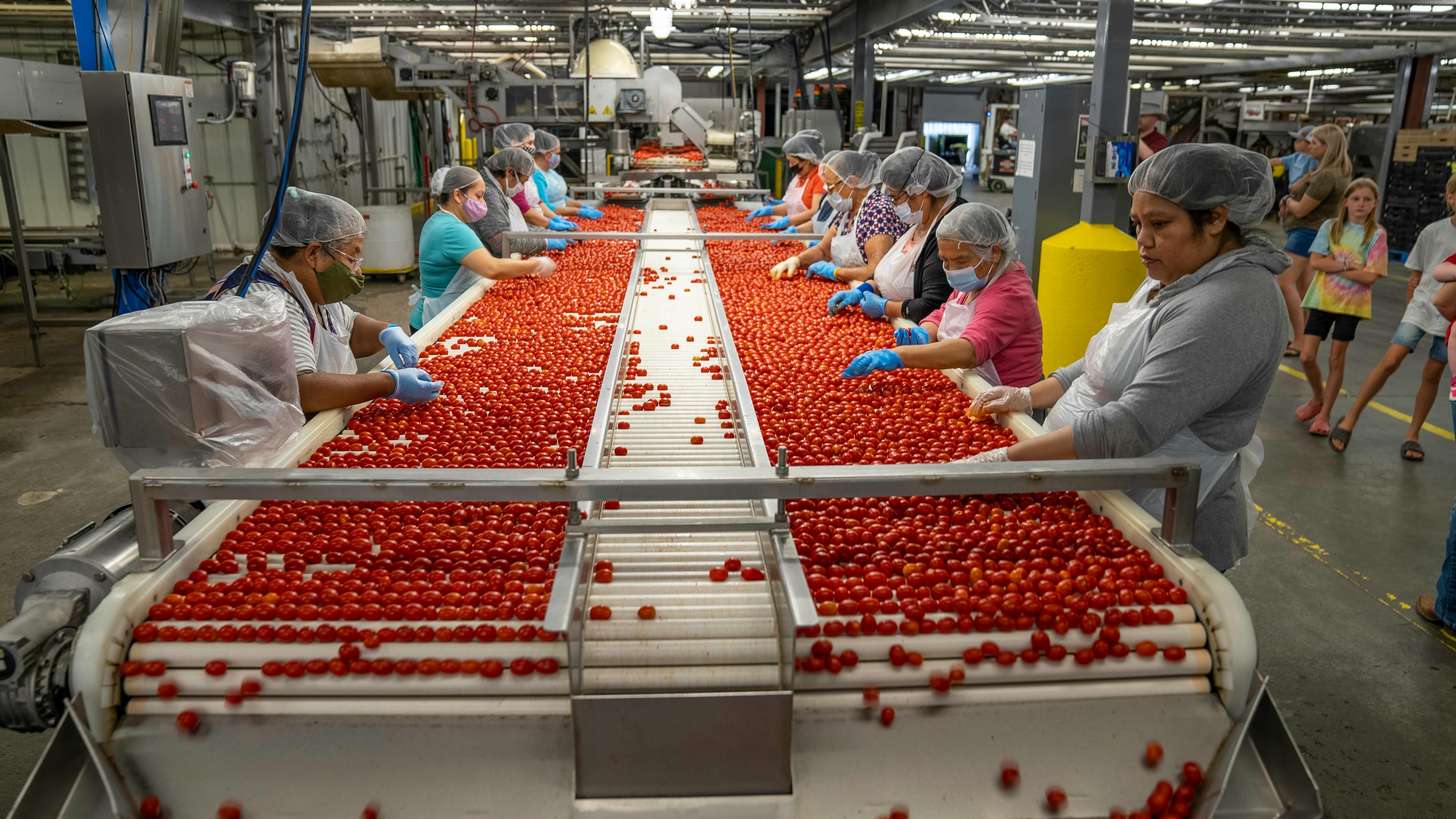
In food and pharmaceutical operations, product integrity and process consistency are non-negotiable. Every transfer, every stop-and-start, and every moment of dwell time on a conveyor can either protect quality or put it at risk. This is precisely where the Silicone Conveyor Belt stands apart. Thanks to its unique surface chemistry and temperature resilience, it provides dependable product release, exceptional cleanability, and stable performance across baking, freezing, coating, inspection, blister packing, and sterile packaging workflows. Moreover, when paired with the right carcass, splice, and edge treatments, a Silicone Conveyor Belt elevates hygiene and uptime while reducing rework and unplanned maintenance.
At Shanghai Puteken Transmission System Co., Ltd., we help plants translate demanding hygiene standards and throughput targets into robust, compliant conveyor solutions. Consequently, this introduction explains what makes silicone belts different, where they deliver outsized value in food and pharma, and how to select the right construction for your line. Additionally, we outline practical trade-offs, a concise data checklist, and an FAQ to speed decisions without compromising due diligence.
What Makes a Silicone Conveyor Belt Different?
Unlike many general-purpose belts, a Silicone Conveyor Belt features a silicone elastomer cover designed for release, temperature range, and sanitary handling. Typically, it includes:
- A silicone top cover: Delivers low surface energy for non-stick release, reliable grip on specific substrates, and temperature stability across deep-cold to high-heat zones.
- A dimensionally stable carcass: Polyester, polyamide, or aramid fabric plies provide tensile strength and controlled elongation, enabling accurate tracking at speed.
- A tailored bottom cover: Low-friction or fabric-back options reduce drag on slider beds; antistatic treatments and guided V-profiles are available to stabilize tracking.
- Optional hygienic features: Sealed edges to minimize wicking, FDA/EU food-contact formulations, antistatic variants, and perforations for vacuum hold-down.
Furthermore, silicone’s unique polymer structure resists thermal hardening and retains flexibility, so belt behavior remains consistent across proofing rooms, chill tunnels, ovens, and autoclaves (within the belt’s specified working range).
Why Food and Pharma Teams Choose Silicone?
Because the stakes are high, belt performance must be predictable. A Silicone Conveyor Belt offers advantages that align directly with critical control points.
Non-stick release of challenging products
- Bakery and confectionery: Doughs, caramels, nougats, marshmallows, chocolate-coated pieces, and fondants tend to stick to many surfaces; silicone’s low surface energy improves release and reduces product loss
- Dairy and proteins: Cheese curds, soft cheeses, and sticky or glazed items lift off more cleanly, which supports shape integrity and reduces smearing.
Wide temperature window
- Cold to hot transitions: Many silicone covers operate from approximately −50°C to +200°C (with short peaks beyond, depending on formulation). As a result, belts can move from spiral freezers to warm processing areas without swapping materials
- Heat cycles: Silicone resists thermal degradation and maintains elasticity better than many elastomers under repeated heating and cooling.
Hygiene and cleanability by design
- Smooth, closed surfaces: Facilitate debris removal and rapid cleaning, helping reduce allergens and cross-contamination risks.
- Chemical compatibility: Silicone typically tolerates common sanitizers and alcohol-based wipes used in food and pharma; however, verification against your specific CIP/SIP chemistry is essential.
Documented compliance pathways
- Food contact: Formulations are available that comply with widely referenced frameworks such as FDA 21 CFR 177.2600 (rubber articles for repeated use) and EU 1935/2004 with applicable GMP (EC 2023/2006). Region-specific declarations and migration testing can be provided upon request.
- Pharma-friendly options: Low-lint constructions, antistatic treatments, and cleanroom-compatible belts can be specified for secondary packaging and selected conveying in controlled areas. As always, site validation governs acceptability.
Stable traction with gentle handling
- Grip without gouging: Properly tuned silicone covers maintain traction while minimizing scuffing on delicate films, blister packs, and labeled cartons.
- Consistent performance: Silicone’s friction characteristics are less prone to glazing in many applications, supporting steady throughput across long shifts.
Broad configurability
- Colors for inspection: Blue and white covers support foreign-object detection and visual inspection common in HACCP/HARPC programs.
- Patterns and textures: Smooth, matte, or cloth-impression finishes modulate release and footprint pressure on sensitive products.
- Perforation, V-guides, and sidewalls: Integration options allow vacuum hold-down, precise tracking, and containment on inclines.
Where Silicone Excels in Food and Pharma Workflows?
Because the Silicone Conveyor Belt balances release, cleanability, and thermal resilience, it is widely used in:
- Bakery and confectionery: Dough sheeting, glazing, enrobing infeed/outfeed, cooling lines, and transfer belts under depositors.
- Chocolate handling: Cooling tunnels and enrober take-away, where release and controlled traction matter.
- Dairy and ready meals: Forming, slicing, and tray-loading lines; systems that demand quick cleanup between product runs.
- Fresh produce and meal kits: Gentle transfers with minimal marking and easy sanitation between allergens or proteins.
- Pharmaceutical packaging: Blister pack lines, cartoning in controlled environments, and conveying around vision/inspection equipment.
- Cleanroom-adjacent processes: Powder handling (with antistatic belts), labeling, and secondary packaging where lint control and cleanability are priorities.
Additionally, silicone belts are often deployed where metal detectors, X-ray systems, or vision sensors require uniform, non-reflective surfaces that do not shed particulate.
Frequently Asked Questions (FAQ)
- What is a Silicone Conveyor Belt?
A Silicone Conveyor Belt is a fabric-reinforced belt with a silicone elastomer top cover engineered for non-stick product release, broad temperature stability, and hygienic cleanability—ideal for food and pharmaceutical conveying and packaging tasks.
- Why choose silicone over PU or PVC in food applications?
Silicone provides superior release for sticky products and remains stable at higher temperatures. PU often offers better abrasion resistance in dry, ambient conditions, while PVC is versatile and economical for general-duty zones. Choose silicone where release and temperature resilience are critical.
- What temperature range can a Silicone Conveyor Belt handle?
Typical working ranges are around −50°C to +200°C, with short peaks higher depending on formulation. Always verify the specific belt’s rating and consider actual dwell times in hot or cold zones.
- Is silicone truly “non-stick” for all products?
Silicone’s low surface energy aids release for many sticky products (doughs, confections). However, surface finish, product formulation, and temperature also matter. We recommend on-line trials with representative products.
- Can I use a Silicone Conveyor Belt in a freezer and then through a warm zone?
Often yes, provided the belt’s rated temperature window covers your extremes and transitions. Silicone retains flexibility at low temperatures and resists thermal hardening as it warms.
- How does silicone hold up to cleaning chemicals?
Silicone generally tolerates common food-plant sanitizers, alcohols, and mild alkalis. However, strong oxidizers, certain hydrocarbons, and aggressive concentrations can cause swelling or degradation. Confirm compatibility with your exact CIP/SIP protocol.
- What compliance documentation is available?
For food-contact belts, we can provide documentation aligned with frameworks like FDA 21 CFR 177.2600 and EU 1935/2004 plus applicable GMP, depending on the selected belt. Region-specific declarations or migration test data may be available upon request.
- Is a Silicone Conveyor Belt suitable for pharmaceutical cleanrooms?
Silicone belts with low-lint constructions and antistatic treatments can be used in certain controlled areas, typically for secondary packaging or conveying packaged products. Acceptance depends on your site validation and applicable standards.
- Will silicone contaminate products via outgassing?
Properly post-cured silicone belts minimize volatiles. For ultra-sensitive processes, we recommend pre-bake conditioning and online trials to validate acceptability with your inspection or sensor equipment.
- How does silicone compare in abrasion resistance?
Silicone is generally less abrasion-resistant than PU. If your application involves sharp edges, heavy scrapers, or abrasive powders, we may recommend protective measures or hybrid belt strategies.
- Which surface finish should I choose?
Smooth or fine-matte finishes favor easy cleaning and gentle handling; cloth-impression or micro-textured finishes can enhance traction or modulate contact footprint. Selection depends on release requirements and product sensitivity.
- What splice types are recommended?
Endless splices are preferred for hygiene and smooth running. Depending on the belt construction, specialized bonding systems or vulcanization methods are used. Mechanical fasteners can serve as emergency options but may not suit direct-contact zones.
- Do I need sealed edges?
In washdown or powder-prone areas, sealed edges help prevent wicking into the carcass and reduce debris accumulation—improving belt life and hygiene.
- Can Silicone Conveyor Belts be antistatic?
Yes. Antistatic treatments are available to reduce static buildup, which is beneficial around powders, films, and sensitive electronics or sensors.
- What colors are typical, and do they matter?
Blue and white are common in food applications for visual contrast and foreign-object detection. Color choice does not usually change performance, but can support QA and inspection practices.
- How do I prevent slippage without over-tensioning?
Maintain proper wrap angle, keep contact surfaces clean, select the right cover finish/hardness, and confirm that pulley diameters match belt thickness. Over-tensioning accelerates wear and increases energy consumption.
- How long does a Silicone Conveyor Belt last?
Service life depends on temperature cycles, cleaning regimen, product abrasiveness, and mechanical geometry. Plants that align belt selection with real conditions and follow disciplined hygiene and tensioning practices consistently achieve longer intervals between changeouts.
- Can belts be perforated for vacuum applications?
Yes. We can supply perforated Silicone Conveyor Belts for vacuum hold-down, paired with appropriate underside fabrics and guides for tracking stability.
- Are Silicone Conveyor Belts suitable under metal detectors and X-ray systems?
Typically yes. Silicone covers are non-metallic and compatible with inspection systems. Ensure consistent belt thickness and surface finish to avoid false signals.
- How does Shanghai Puteken Transmission System Co., Ltd. support implementation?
We review your process data, propose a belt construction with documented compliance, supply samples for trials, and provide installation and hygiene SOPs. We also help analyze wear patterns and adjust specifications as your recipes, speeds, or cleaning protocols change.