





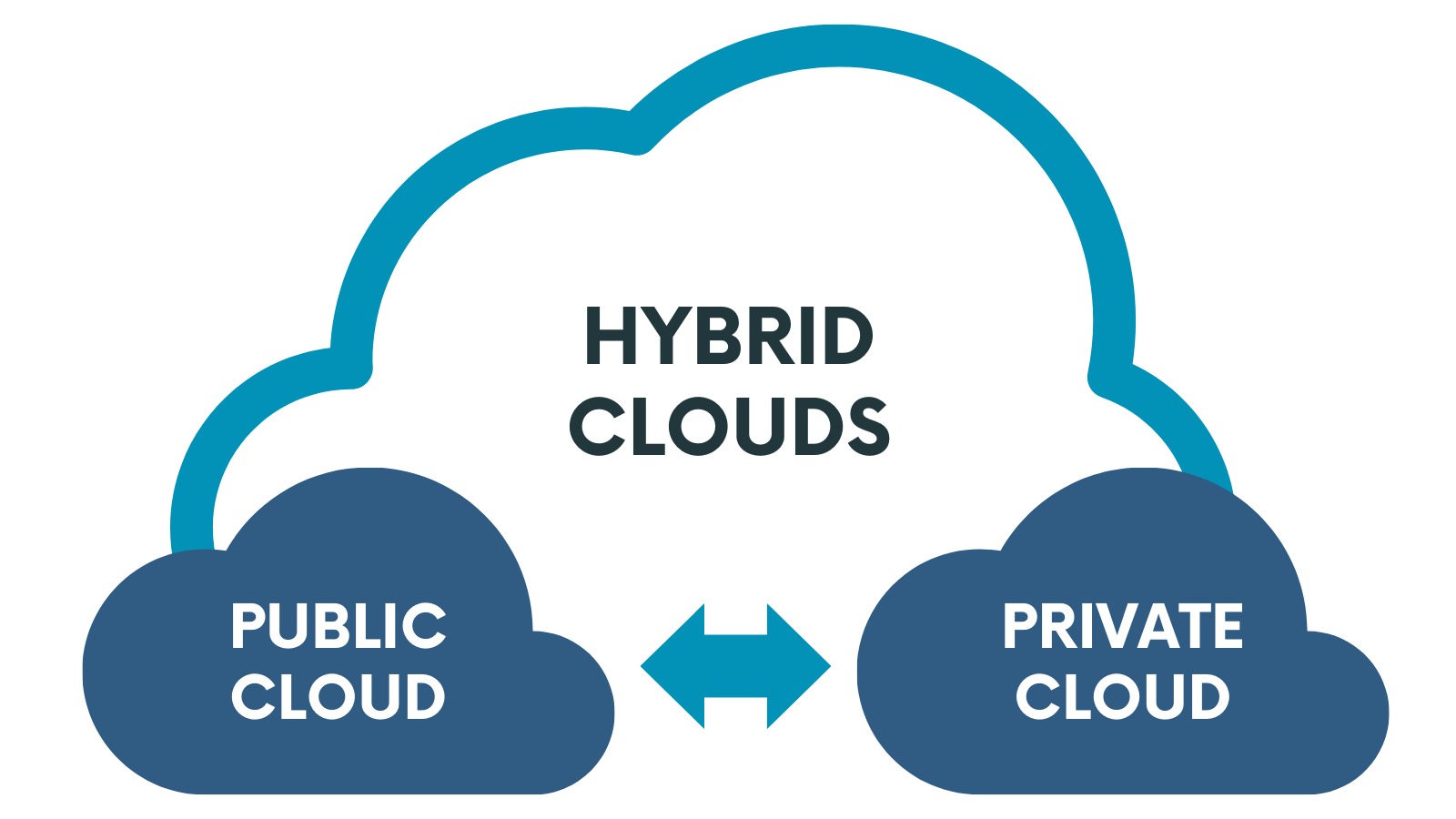
Hybrid cloud architecture is one of the most practical solutions for businesses that want the flexibility of the cloud without giving up the control of on-premises systems.
Simply put, it is like having a foot in two worlds: part of your computing happens in your private data center and in public cloud services. The trick is making these two sides work together smoothly and at scale.
If you’ve ever tried to balance your personal life and work life, you know that keeping both sides happy can be a challenge. A hybrid cloud is similar: you’re constantly trying to find the sweet spot where efficiency, security, and cost meet.
Let us walk through how to build a scalable hybrid cloud architecture.
1. Understanding the Basics
Before getting into the technical details, it is worth understanding what makes a hybrid cloud “hybrid.”
- Private Cloud or On-Premises Infrastructure: This is the computing environment you fully control. It could be physical servers in your office or a private cloud built with tools like VMware or OpenStack.
- Public Cloud: Services provided by cloud companies like AWS, Microsoft Azure, or Google Cloud, where resources are available on-demand.
A hybrid cloud architecture blends these two, allowing workloads to move between environments depending on needs. For example, a retail company runs its sensitive customer data in a private cloud for compliance reasons while leveraging the public cloud’s scalability during seasonal sales spikes.
This flexibility enables organizations to optimize their IT resources, improve resilience, and respond more quickly to changing business demands.
2. Planning Your Hybrid Cloud Strategy
Before building, you need a strategy that is both flexible and clear.
Key steps to consider:
- Define your business goals: To cut costs, improve performance, or increase resilience?
- Assess your workloads: Identify which workloads are better suited for on-premises (e.g., sensitive data processing) and which can go to the public cloud
- Evaluate compliance needs: If you are in finance, healthcare, or government, data handling rules may strongly influence your design.
- Estimate long-term growth: Do not just plan for now; consider what your infrastructure should handle in three to five years.
- Plan for integration: Consider how systems will communicate and share data securely.
This planning phase might feel slow, but skipping it is like starting a road trip without checking the map; you might still reach your destination, but it’ll probably take longer and cost more fuel.
3. Choosing the Right Technology
Once your strategy is clear, the technology choices become easier.
You’ll likely need:
A cloud management platform (CMP) to oversee both private and public environments.
Networking solutions like VPNs or dedicated connections (AWS Direct Connect, Azure ExpressRoute) ensure secure, fast data transfer.

Containerization and orchestration tools like Kubernetes make workloads portable between environments.
A side note: containers are incredibly popular, but they are not a silver bullet. They make deployment easier but still require thoughtful monitoring, security, and scaling strategies. Think of them as power tools, practical but not magical.
4. Designing for Scalability from Day One
Scaling in a hybrid cloud environment means more than just adding more servers. It is about making the system elastic to grow or shrink with demand.
Things to focus on:
- Workload portability: Can workloads move between environments without breaking?
- Automated scaling policies: Use tools to instantly detect demand spikes and allocate resources.
- Load balancing: Spread workloads across environments to avoid overloading any one system.
- Monitoring and alerting: Use unified dashboards to see what is happening in both clouds.
- APIs and integration layers: Design APIs so your applications can communicate regardless of where they are running.
If your engineers can’t adapt to new scaling tools, your system’s flexibility will be ineffective. Training is part of architecture, even if not drawn in the diagrams.
5. Managing Security and Compliance
Hybrid clouds bring unique security challenges because data is moving between different environments.
Some best practices include:
Implementing zero-trust security models where no system or user is automatically trusted.
Encrypting data both in transit and at rest.
Using identity and access management systems that work across both environments.
Compliance can be trickier because you might be dealing with multiple jurisdictions. It’s worth consulting both legal and technical experts early in the design. Think of it as building a house: you wouldn’t start construction without checking local building codes.
Final Thoughts
Building a scalable hybrid cloud architecture is not just about picking the right technology; it’s about designing a system that can grow with your needs, adapt to changes, and maintain strong performance and security.
While it might seem daunting, breaking the process into clear steps, understanding the basics, planning carefully, choosing technology, designing for scalability, managing security and continuously optimizing makes the task much more manageable.
Like any complex project, the journey is as important as the destination. By thinking ahead and staying adaptable, you’ll create a hybrid cloud that serves you well today and for years.




It can help businesses better serve their customers by automating certain features to free up more time for additional customer attention, provide higher security for customer details and information, and in some cases provide better and faster access to information or services.
Hybrid cloud computing provides businesses with a software service solution that enables them to approach business more flexible and adapt to changes and meet customer needs faster.
https://is.gd/NBPmt3 What is hybrid cloud computing?
Apprenda, a cloud platform provider, defines hybrid cloud computing as, “an infrastructure that includes links between one cloud managed by the user (typically called “private cloud”) and at least one cloud managed by a third party (typically called “public cloud”)…The idea behind hybrid cloud is that businesses can use it to take advantage of the scalability and cost-effectiveness offered by the public cloud computing environment without exposing mission-critical applications and data to the vulnerabilities associated with the public cloud option.
These are inherently helpful to the financial services sector, which needs to make money, save clients money, and offer fast secure services.
Capital One updated its technology to be cloud-based to help them better meet their customer’s changing needs and the evolving landscape of finance and banking.