






Many business teams feel stuck between two choices. The two choices are whether they should keep apps and data in their own data center. Or they can move everything to a public cloud. But each path has benefits and limits.
A hybrid setup gives you a third option. You can mix on-site systems with public cloud services, place each workload where it fits best, and change that choice as needs shift. This approach is not only for large enterprises, as mid-sized firms use it too.
Here, you will learn the core idea and the key reasons to use hybrid cloud computing. So if you’re interested in learning more, continue!
What is a Hybrid Cloud?
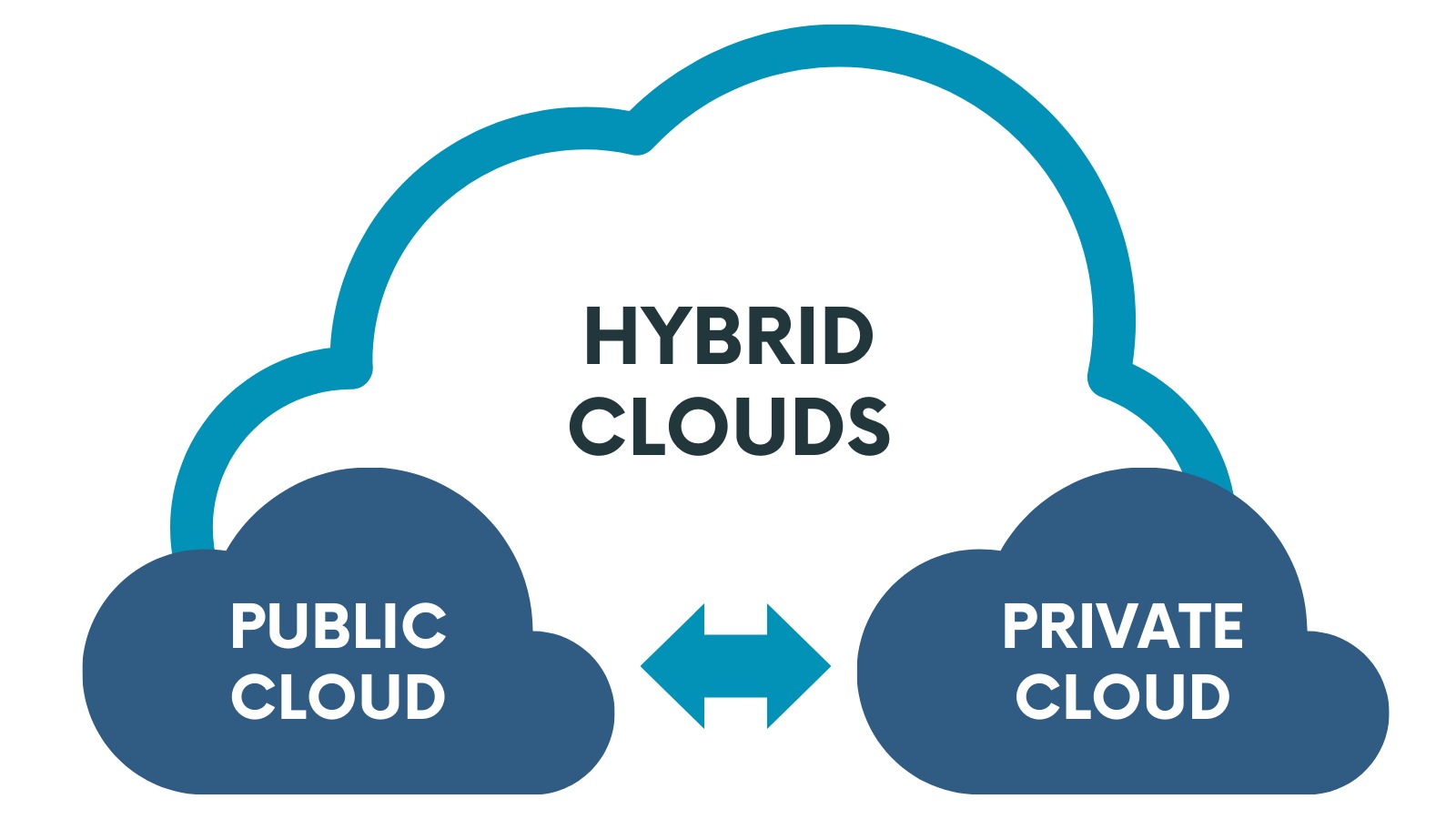
Hybrid cloud computing combines two or more cloud environments that work together. Most often, this means a private cloud or on-site systems plus a public cloud. The goal of this is not to run two separate worlds but to establish a connected setup with shared processes and clear governance.
In practice, a business might keep core customer records on site for strict control. At the same time, it may run analytics or web apps in the public cloud for speed and scale. It can also move workloads between environments when demand changes. This is sometimes called cloud bursting. Plus, a good hybrid cloud computing design relies on strong network links with identity and access controls that work across systems. Many firms also use containers and orchestration tools to make apps more portable.
Why Companies Choose A Hybrid Approach?
Leaders choose a hybrid model because it supports real business trade-offs. As a standard, most firms have legacy systems that still matter. They also have new digital goals that need cloud tools, and hybrid lets them move in steps.
It reduces risk as you can test cloud services with a smaller scope, build skills, and prove value. After that, you can then expand.

It also helps with cost control. This is because some steady workloads may be cheaper on owned gear, and some peak workloads may be cheaper in a public cloud. So, a hybrid plan lets you balance both.
Better Control For Sensitive Data
Many industries handle regulated data. For example, this includes finance, health care, and the public sector. As a result, they may need strong control over where data lives and need strict audit trails.
With hybrid cloud computing, you can keep sensitive data in a private environment. Plus, you can still use public cloud tools that do not require moving that data.
For example, you can run a front end in the public cloud. It can connect to a secure back end on-site and encrypt data in motion and at rest. You can apply the same access policies across both sides.
This gives teams more options. It supports security reviews and compliance checks and supports data residency needs in certain regions.
Faster Delivery With Modern Cloud Services
Public cloud platforms offer many managed services. These include databases, messaging AI tools, and data pipelines. They can speed up delivery because teams do not need to manage every layer.
Hybrid makes it easier to adopt these services without a full rewrite. You can modernize one app at a time. You can build new services in the cloud while older systems remain on site. Over time, you can replace parts of a system in a planned way.
This is a common pattern in B2B software. Vendors need to ship features fast. They also need uptime and trust. A hybrid setup can support both.
Flexible Scaling Without Overbuying
Demand is not always steady. Many firms see spikes during the launch quarter close or seasonal peaks. If you only rely on on-site gear, you may need to buy for peak demand. That can leave resources idle later.
A hybrid setup can scale in the public cloud when needed. It can keep steady workloads in a private environment. This supports better use of capital. It also supports faster response when demand changes.
Hybrid cloud computing also helps with global reach. You can place services closer to users by using cloud regions. You can still keep core data in a controlled location.
Conclusion
Hybrid cloud computing is a practical way to blend control and agility. It lets you keep key systems in a private environment. It also lets you use public cloud services for speed and scale. For many B2B firms, this fits the real world. They have legacy apps. They have strict security needs. They also need to deliver new features fast.
The best results come from clear choices. Decide what stays private and why. Decide what moves to the cloud and what success looks like. Build strong links and shared security controls. Start small and learn.
Then expand with a repeatable pattern. With the right plan a hybrid strategy can support growth. It can improve resilience. It can also help your teams focus on business value, not infrastructure work.




It can help businesses better serve their customers by automating certain features to free up more time for additional customer attention, provide higher security for customer details and information, and in some cases provide better and faster access to information or services.
Hybrid cloud computing provides businesses with a software service solution that enables them to approach business more flexible and adapt to changes and meet customer needs faster.
https://is.gd/NBPmt3 What is hybrid cloud computing?
Apprenda, a cloud platform provider, defines hybrid cloud computing as, “an infrastructure that includes links between one cloud managed by the user (typically called “private cloud”) and at least one cloud managed by a third party (typically called “public cloud”)…The idea behind hybrid cloud is that businesses can use it to take advantage of the scalability and cost-effectiveness offered by the public cloud computing environment without exposing mission-critical applications and data to the vulnerabilities associated with the public cloud option.
These are inherently helpful to the financial services sector, which needs to make money, save clients money, and offer fast secure services.
Capital One updated its technology to be cloud-based to help them better meet their customer’s changing needs and the evolving landscape of finance and banking.