


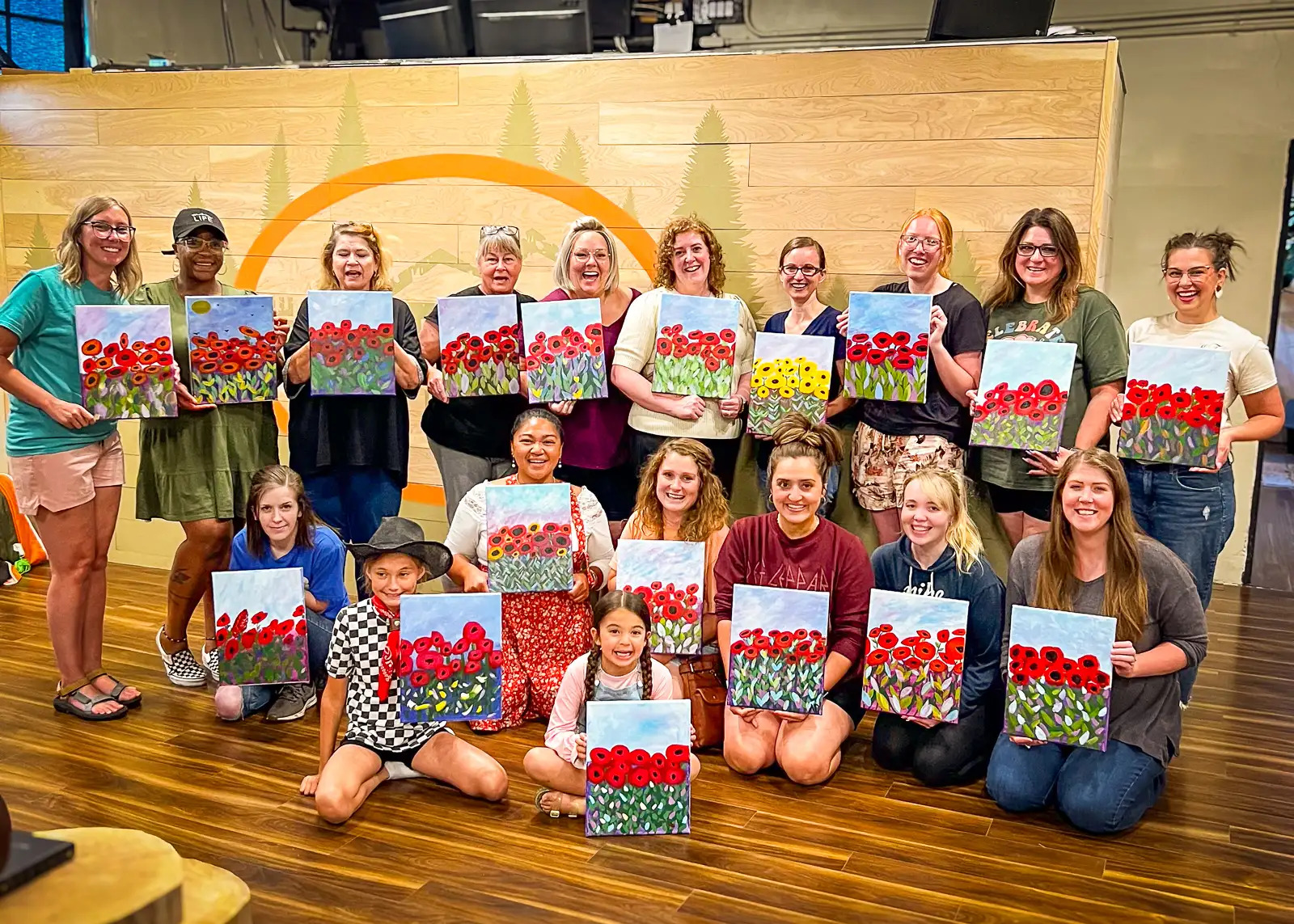
Starting with acrylic paints is exciting — but if you’re new to painting, it can feel overwhelming. What brushes do you need? How do you mix colors? How do you stop your paint from drying too quickly? The good news is that acrylics are one of the easiest mediums to learn. They’re vibrant, affordable, and forgiving — you can paint over mistakes and keep experimenting until you love the result.
This acrylic painting for beginners step by step guide will walk you through everything you need to know to get started, from choosing supplies to practicing simple techniques.
Step 1: Gather Your Basic Supplies
You don’t need an entire art store to begin painting. A few simple items will take you far:
Acrylic paints: Start with a basic set of primary colors plus white and black — you can mix almost anything from these.
Brushes: Get a small flat brush, a medium round brush, and a liner brush for details.
Canvas or paper: Stretched canvas, canvas panels, or thick acrylic paper all work well.
Palette and water cup: Even a paper plate and a jar of water will do the job.
Rags or paper towels: For wiping brushes or cleaning up spills.
Step 2: Learn How Acrylics Work
Acrylic paint is water-based, which means you can thin it with water, clean your brushes easily, and — best of all — paint over mistakes once it’s dry. It also dries quickly, which is great for building layers but gives you less time to blend colors. Don’t worry — that’s part of the fun!
Key tips:
Work in light layers rather than one heavy coat.
Keep a spray bottle nearby to mist your palette if the paint starts drying out.
Wash brushes right after use — dried acrylic can ruin them.
Step 3: Practice Simple Techniques
Before jumping into a full painting, try these easy exercises:
Color blocking: Paint simple shapes in solid colors.
Blending: Practice soft transitions between two colors using a damp brush.
Dry brushing: Use very little paint on your brush to create texture.
Sponging: Dab a sponge for soft, natural-looking effects like clouds or foliage.
Detailing: Use a liner brush for fine lines or accents.
These techniques give you control over your paint and make every future painting easier.
Step 4: Sketch and Plan Your First Painting
Even a simple pencil sketch helps guide your brush. Decide where your subject will go — whether it’s a flower, a landscape, or an abstract design — and lightly outline the main shapes. This prevents you from feeling lost once you start painting.
Step 5: Paint in Layers
Start with large areas first, then work toward smaller details. For example:
Paint the background color.
Add big shapes or main elements.
Layer in shading or texture.
Finish with fine details and highlights.
Because acrylics dry fast, you can keep adding layers without waiting hours. Mistakes? Let them dry and paint right over them.
Step 6: Keep It Fun and Keep Learning
Remember, your first painting doesn’t need to be perfect. Every brushstroke is practice. The more you paint, the more natural it feels — and soon, you’ll start developing your own style.
Extra beginner tips:
Don’t overload your brush — too much paint makes it harder to control.
Experiment with mixing colors instead of relying only on what’s in the tube.
Step back from your painting often — it helps you see the overall picture, not just tiny details.
Conclusion
Acrylics are the perfect medium for learning — affordable, vibrant, and full of creative possibilities. By following this acrylic painting for beginners step by step guide, you’ll build confidence while discovering just how enjoyable painting can be.
Want to learn in a relaxed, social setting? Artväna | Acrylic Paint & Sip in Washington makes painting easy and fun for everyone — no experience required. Pick up a brush, sip your favorite drink, and create something you’re proud of!

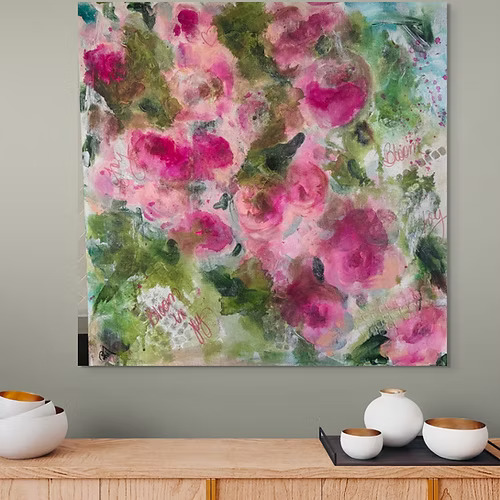
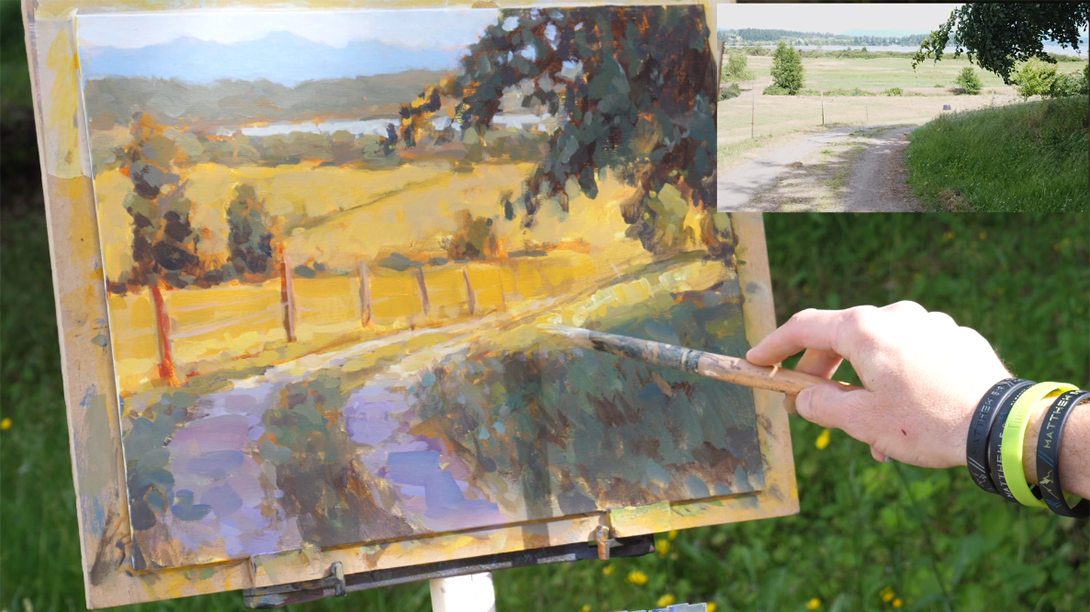
Love the freedom of learning from the comfort of your home and also at your own schedule with our online Acrylic Painting course in the US.
With our Beautiful 4K Video Instruction you never miss a brushstroke again.
Play, pause, rewind or re-watch any part of the video at your ease and master it with your own style and creativity.
Also, practical assignments are designed to help you learn every step along the way.