

Standing in front of a blank canvas can feel exciting yet overwhelming. Do you splash bold colors and let your imagination run free, or do you try to capture the calm beauty of nature? Many beginners ask this same question when deciding between Abstract Acrylic Painting and Landscape Acrylic Painting. This guide will walk you through both styles, their unique qualities, and tips to help you discover which one fits your creative voice best.
Table of Contents
1. What is Abstract Acrylic Painting?
2. What is Landscape Acrylic Painting?
3. How to Choose the Right Style for You
4. Tips for Beginners
5. Common Mistakes to Avoid
6. Key Takeaway
7. FAQs
What is Abstract Acrylic Painting?
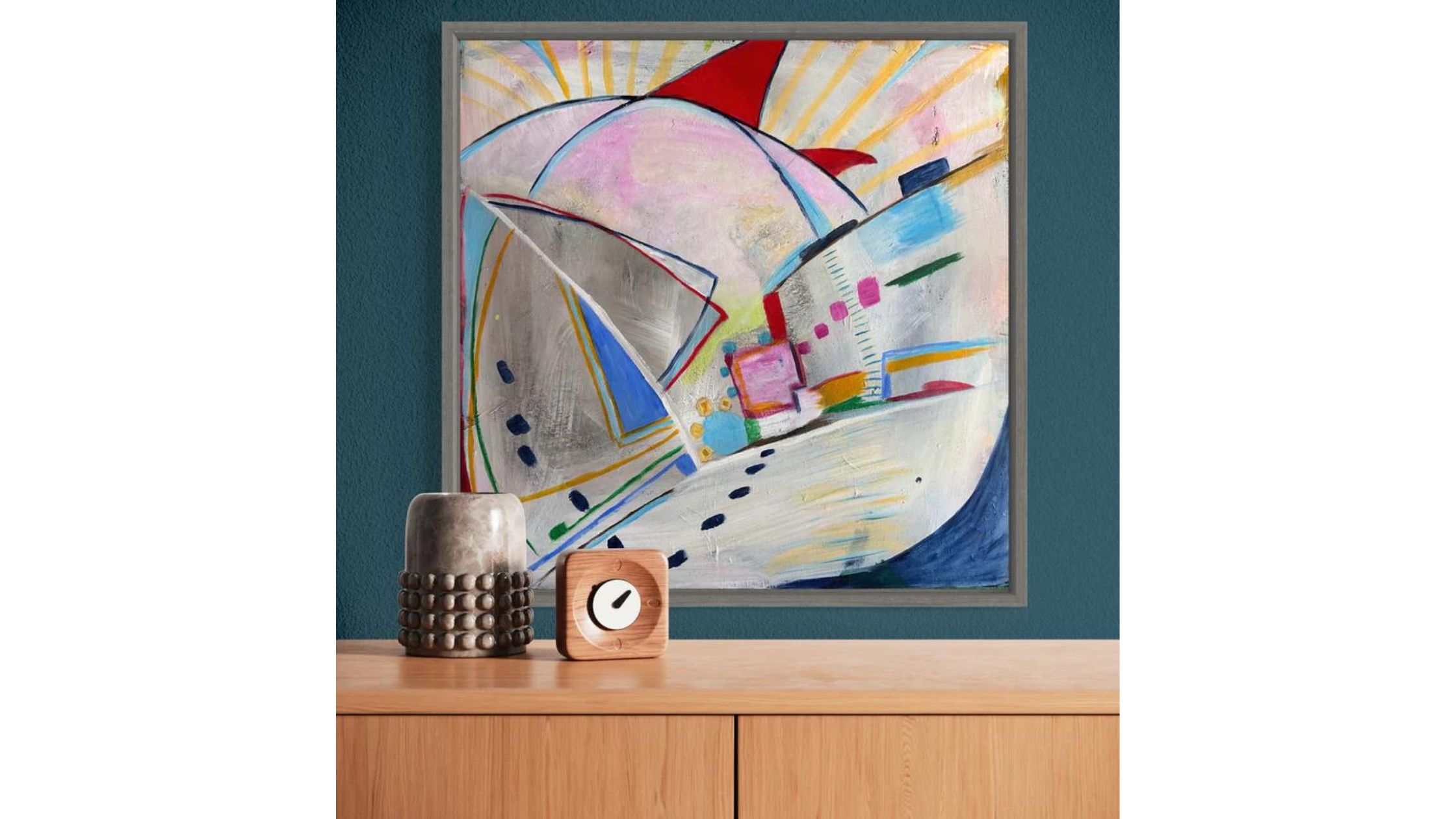
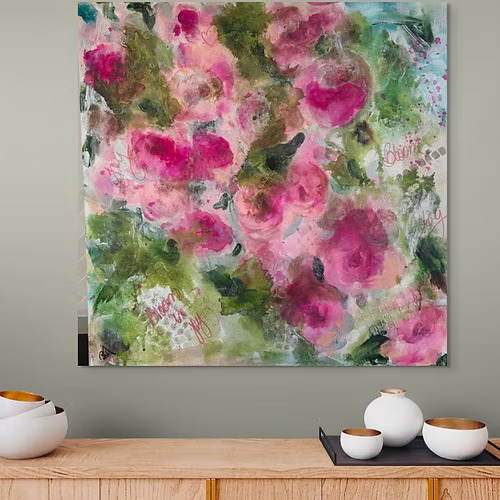
Abstract acrylic painting is all about feelings, ideas, and freedom. Instead of copying what you see in real life, you use shapes, lines, textures, and colors to express emotions. Imagine splashing bright red to show anger or soft blues to express peace. This style doesn’t follow strict rules, which is why beginners often love it.
Acrylic paints are perfect for abstract work. They dry quickly, so you can layer colors, add textures, or even scrape parts away to create depth. You don’t have to worry about making a tree look like a tree. Instead, you focus on how the brushstrokes make you feel.
What is Landscape Acrylic Painting?
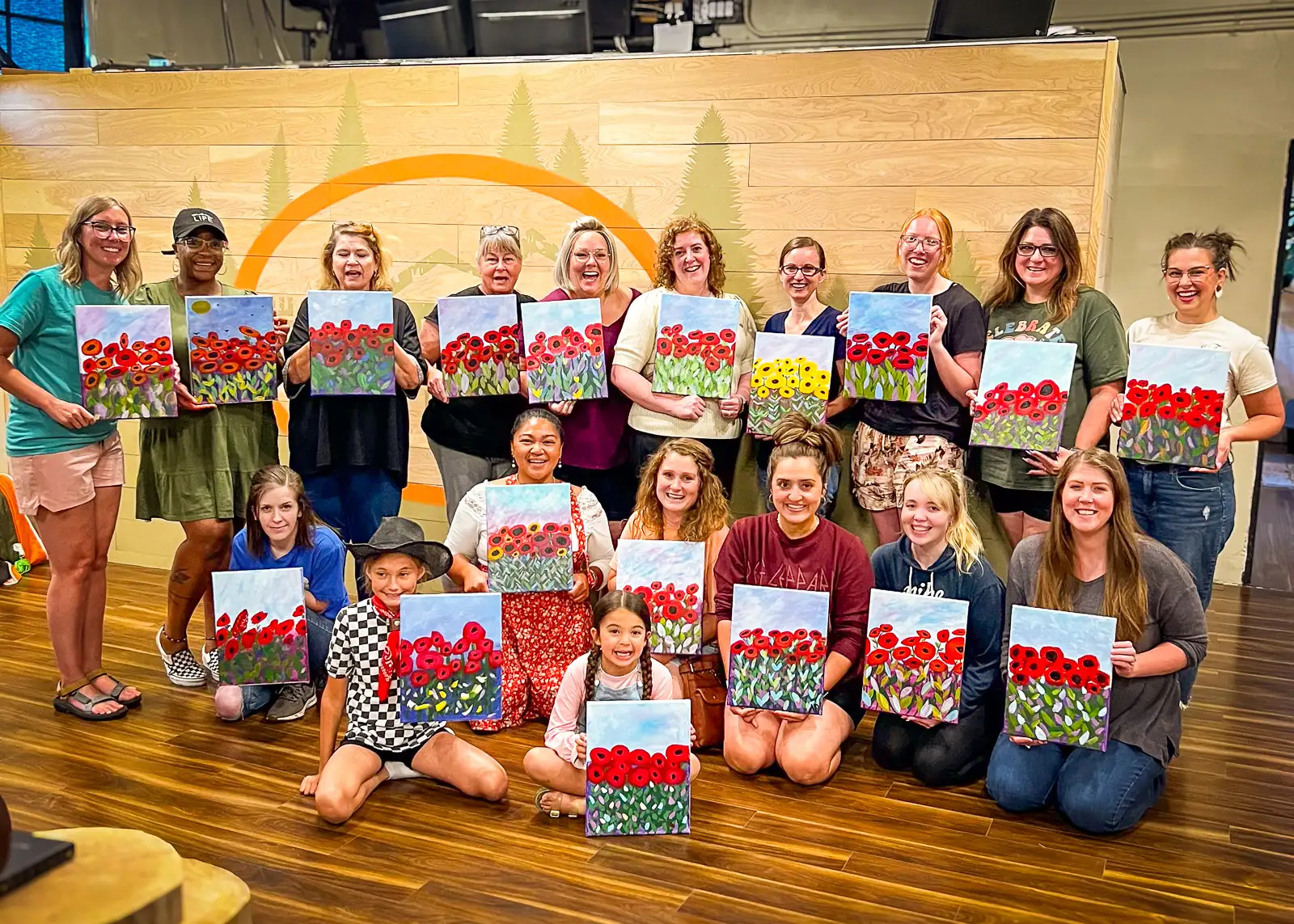
Landscape acrylic painting focuses on capturing the beauty of nature. Think rolling hills, sunsets, oceans, forests, or even city skylines. Unlike abstract, this style is closer to what we see with our eyes.
With acrylics, you can easily blend colors to create skies, reflections in water, or the light hitting the mountains. Since acrylics dry fast, you can build layers for trees, grass, and clouds without waiting too long. Many beginners find landscapes calming because they connect us to the outdoor spaces we love.
How to Choose the Right Style for You
When you’re torn between abstract and landscape, ask yourself a few questions:
● Do you enjoy letting your emotions guide you without worrying about realism? If yes, abstract might be your style.
● Do you love observing nature and want to learn how to paint what you see? Landscape could be the better choice.
● Do you prefer experimenting with textures and bold colors? Abstract gives you freedom to explore.
● Do you like details and learning how light, perspective, and shadows work? Landscape might excite you more.
Remember, you don’t have to pick one forever. Many artists switch between both or even combine them into abstract landscapes.
Tips for Beginners
Whether you choose abstract or landscape acrylic painting, here are some simple tips to make your journey smoother:
1. Start Small – Use small canvases at first. It’s less intimidating and easier to finish.
2. Learn the Basics – Practice mixing colors, blending, and layering. These skills matter in both styles.
3. Use Reference Photos – For landscapes, photos can guide you. For abstract, they can inspire shapes and palettes.
4. Experiment – Try palette knives, sponges, or even your fingers. Acrylics are versatile.
5. Be Patient – Mistakes are part of learning. Sometimes, what you see as an error becomes the most unique part of your painting.
Common Mistakes to Avoid
● Overworking the Paint – Acrylics dry fast. If you keep brushing too much, colors can look muddy.
● Fear of Bold Choices – Many beginners play it too safe. Don’t be afraid to use bright or unusual colors.
● Comparing Too Much – Every artist’s style is different. Focus on growth, not perfection.
● Skipping Practice – Like any skill, painting improves with regular practice.
Quick Recap
Choosing between abstract acrylic painting and landscape acrylic painting depends on your personality and goals. Abstract gives freedom to express emotions with bold strokes and colors. Landscape helps you appreciate details of the natural world and grow technical skills. Both styles can be rewarding, and experimenting with each will help you discover your artistic path.
FAQs
Q1: Is abstract acrylic painting easier than landscape painting?
Abstract can feel easier at first because it doesn’t follow strict rules. However, both styles require practice and creativity.
Q2: Do I need drawing skills for landscape acrylic painting?
Basic drawing skills help, but you don’t need to be perfect. Acrylics allow you to adjust and layer as you go.
Q3: Can I mix abstract and landscape styles in one painting?
Yes! Many artists create abstract landscapes, where natural forms meet expressive colors and textures.
Q4: What supplies should beginners start with?
Acrylic paints, brushes in different sizes, a palette, a water container, and canvas or paper are enough to start.
Q5: How long does it take to improve as a beginner painter?
It depends on how much you practice. Even painting once a week can help you see progress in a few months.