Wood Cutting Boards: Timeless Elegance and Natural Durability
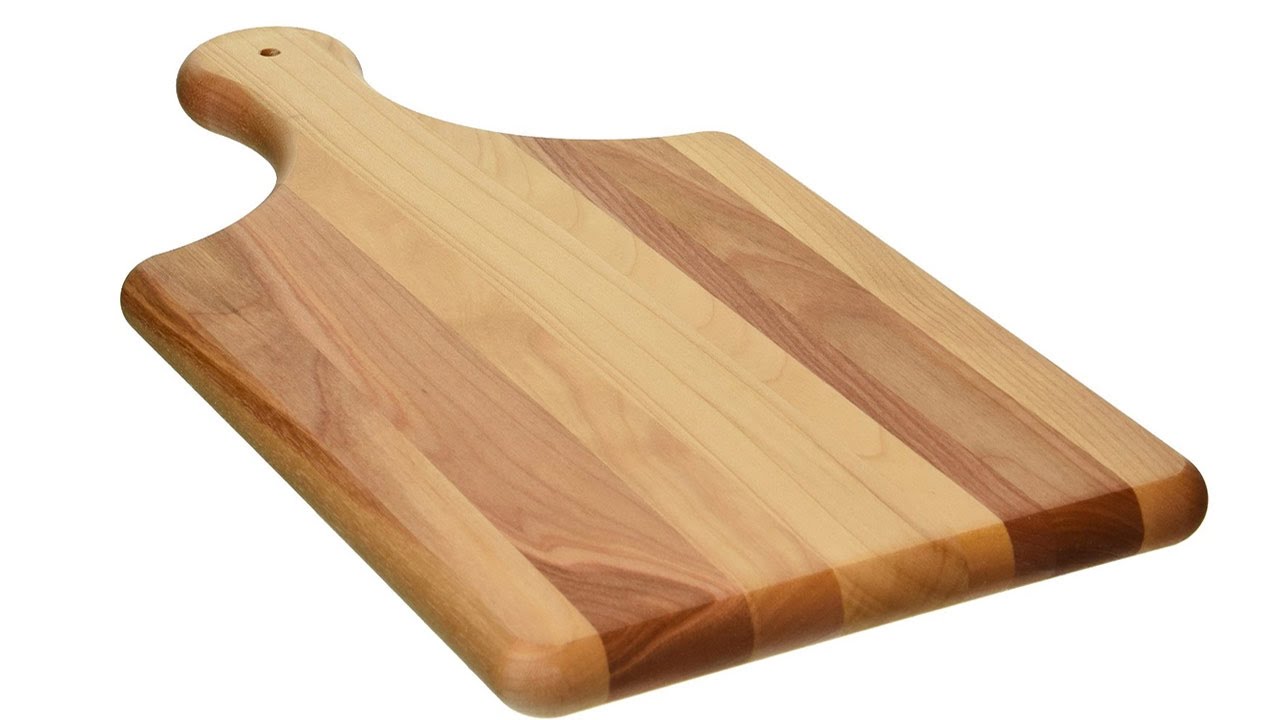
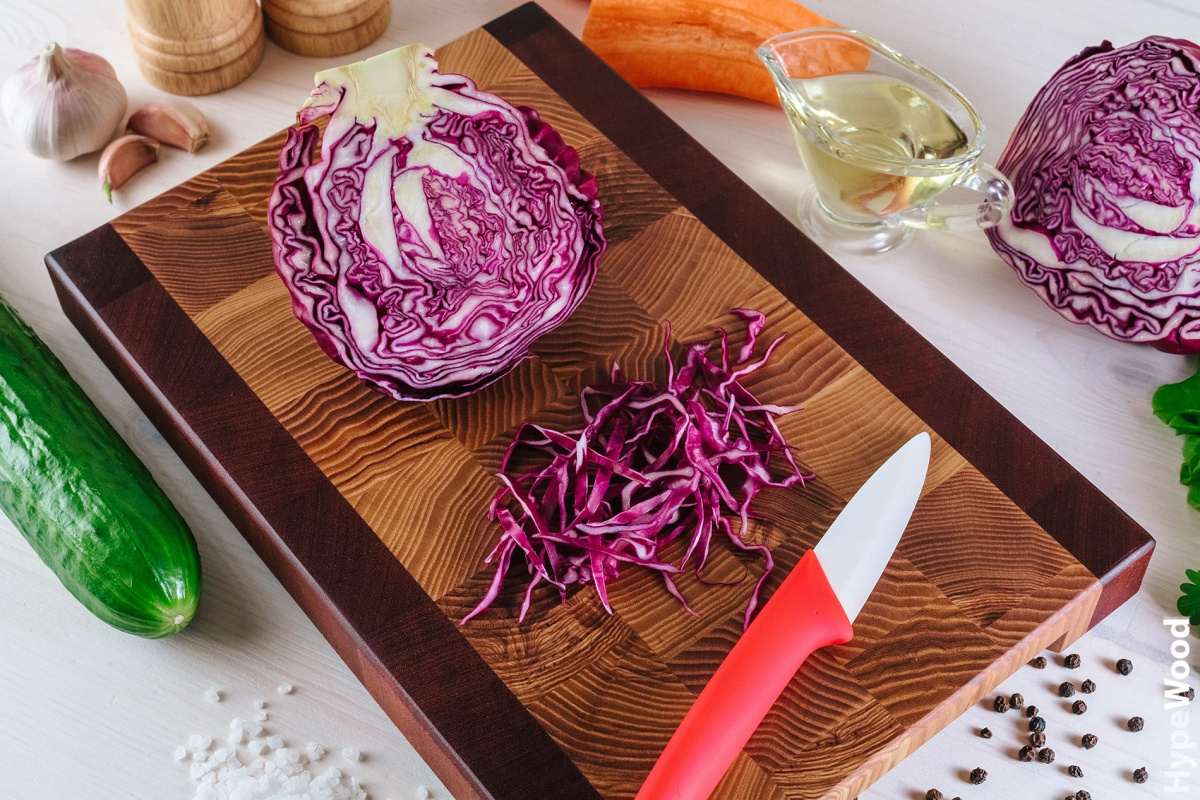
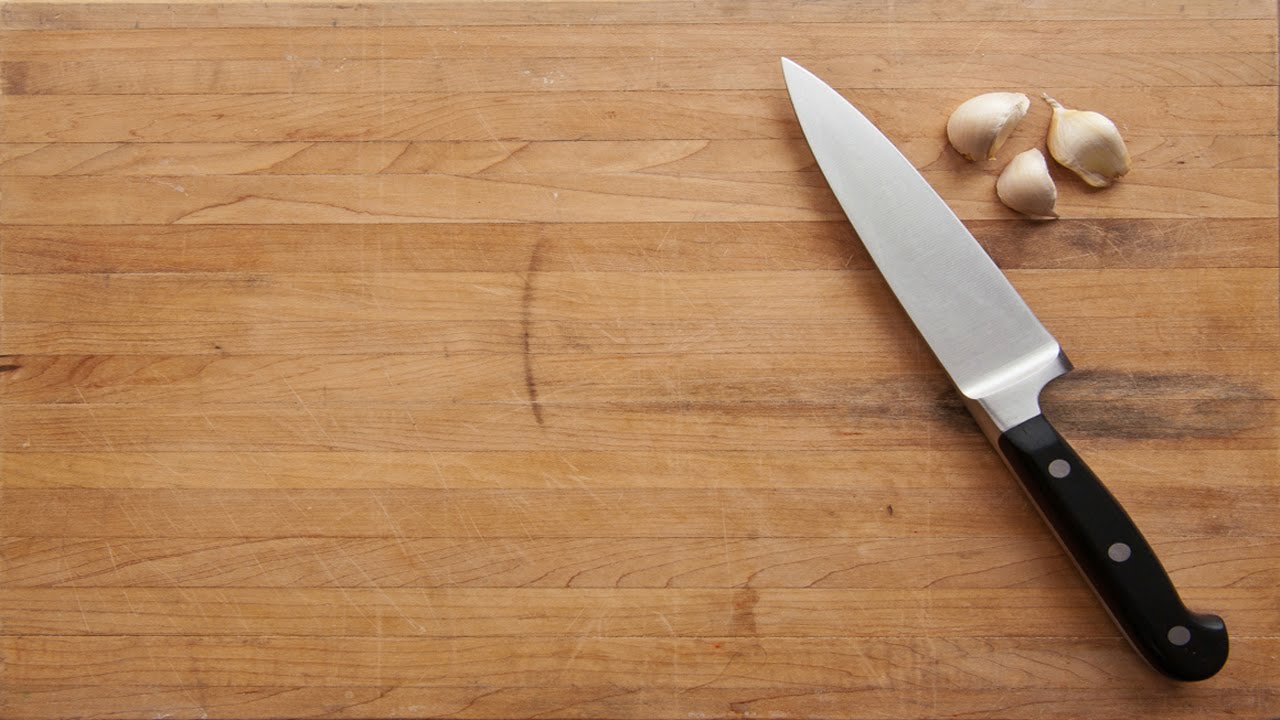
Wood cutting boards have long been celebrated as a quintessential choice for both professional chefs and home culinary enthusiasts. Their natural beauty, warm aesthetic, and sturdy construction make them an enduring favorite in kitchens around the world. When selecting a wood cutting board online, it’s essential to understand the nuances of different wood types, their inherent advantages, and the best practices for maintenance to ensure they serve you well for many years. Hardwoods such as maple, walnut, cherry, and oak are particularly prized due to their dense grain structures, which resist knife marks and help prevent bacteria from settling into grooves. These woods are not only functional but also serve as attractive serving platters or cheese boards that can elevate the visual appeal of any kitchen setting. Proper care involves regular oiling with food-grade mineral oils or beeswax to keep the wood hydrated and to prevent cracking or warping. Additionally, cleaning wood boards thoroughly after each use—preferably with mild soap and water—and avoiding soaking them in water for extended periods are critical steps to maintain their structural integrity. Although wood cutting boards require a bit more attentive care compared to synthetic options, their durability, natural elegance, and ability to double as serving pieces make them a worthwhile investment for those seeking a sophisticated and functional kitchen tool.
Bamboo Cutting Boards: Eco-Friendly and Highly Resistant
Bamboo cutting boards have surged in popularity due to their sustainability credentials and impressive resilience. Bamboo, technically a grass rather than a wood, grows remarkably fast and can be harvested repeatedly without causing deforestation, making it an environmentally responsible choice for eco-conscious consumers. These boards are known for their hardness, which provides a sturdy, resilient surface that resists knife marks and minimizes dulling of blades. Their natural antimicrobial properties help inhibit bacterial growth, contributing to a safer food preparation environment. When purchasing bamboo online cutting boards, it’s important to select products made from high-quality, sustainably sourced bamboo, and to verify that they are finished with food-safe coatings—preferably natural oils or food-grade sealants. Maintenance involves hand washing with mild soap and water, then drying thoroughly to prevent warping or splitting. While bamboo is more resistant to moisture than traditional hardwoods, it still benefits from regular oiling to preserve its surface and appearance. Overall, bamboo cutting boards strike a compelling balance between eco-friendliness, durability, and functionality, making them an excellent choice for environmentally aware consumers who want a reliable, attractive, and sustainable kitchen tool.
Plastic Cutting Boards: Versatile and Easy to Maintain
Plastic cutting boards are among the most versatile and practical options available for kitchen use. Their affordability, lightweight nature, and ease of cleaning make them a staple in both home and commercial kitchens. They come in a broad spectrum of colors and sizes, allowing users to designate specific boards for different types of food—such as raw meats, vegetables, or cooked foods—thus significantly reducing the risk of cross-contamination. The smooth surface of plastic boards allows for quick washing, and many are dishwasher safe, simplifying sanitation routines. When choosing plastic cutting boards online, it’s important to prioritize high-density polyethylene (HDPE) or polypropylene materials, which are resistant to deep cuts and less likely to harbor bacteria. Regular replacement is recommended once the surface becomes heavily scored or develops deep grooves, as these can trap bacteria and compromise food safety. Maintenance involves thorough washing after each use, disinfecting regularly with commercial sanitizers or diluted bleach solutions, and avoiding cutting on excessively abrasive surfaces that can cause deep scratches. Plastic boards are especially favored in busy commercial kitchens due to their practicality and ease of sterilization, but they are equally suitable for home cooks who prioritize convenience, hygiene, and affordability.
Glass Cutting Boards: Stylish and Hygienic, but with Considerations
Glass cutting boards offer a sleek, modern aesthetic that seamlessly complements contemporary kitchen decor. Their non-porous surface makes them highly resistant to staining and bacterial growth, making them one of the most hygienic options available. They are simple to clean, often dishwasher safe, and require minimal maintenance. However, glass boards come with notable drawbacks. Their hardness can cause dulling of knives more quickly than other materials, which can be frustrating for serious cooks who rely on sharp blades. Additionally, glass surfaces are brittle and prone to chipping or cracking if dropped or subjected to sudden impacts. When shopping online for glass cutting boards, it’s advisable to select tempered glass options designed to withstand regular use. To maximize their lifespan and safety, it’s best to reserve glass boards for serving or light food preparation rather than heavy chopping tasks. Proper care involves gentle cleaning with non-abrasive pads or soft cloths, and avoiding cutting directly on the surface to preserve both the knives and the integrity of the board. While stylish and hygienic, glass cutting boards are best viewed as complementary serving pieces or light-use surfaces rather than primary chopping stations.
Composite Cutting Boards: Combining Strength and Versatility
Composite cutting boards are engineered from a blend of wood fibers and resin, resulting in a highly durable and resilient surface that marries the best features of traditional wood and synthetic materials. These boards are resistant to staining, warping, and deep cuts, making them ideal for demanding kitchen tasks. Their sturdy construction provides a stable, knife-friendly surface that helps prolong the sharpness of blades, reducing the need for frequent sharpening. When shopping for composite cutting boards online, it’s crucial to select products made from food-grade, BPA-free materials that meet safety standards. Maintenance involves regular cleaning with soap and water, and many composite boards are dishwasher safe, adding to their convenience. Their non-porous nature reduces bacterial harboring, and they generally require less frequent oiling or conditioning compared to wood. Versatile and resilient, composite cutting boards are favored by both professional chefs and home cooks who need a long-lasting, low-maintenance surface capable of handling a wide variety of culinary tasks—from slicing meats to chopping vegetables. Their combination of strength, safety, and ease of care makes them a smart investment for any kitchen.
Cross Contamination Prevention: Ensuring Food Safety in Your Kitchen
One of the most critical aspects of safe food preparation is preventing cross-contamination, which can lead to foodborne illnesses. Cross-contamination occurs when harmful bacteria from raw meats, seafood, or poultry transfer onto other foods, surfaces, or utensils, often through shared cutting boards. To mitigate this risk, it’s essential to use different cutting boards for raw meats and ready-to-eat foods such as fruits and vegetables. Color-coded cutting boards are an effective visual aid, allowing quick identification and reducing confusion during busy kitchen operations. Thorough cleaning and sanitizing after each use are vital, especially when switching between raw and cooked foods. Hot water, soap, and commercial disinfectants are effective methods for sanitizing cutting boards, and some materials—particularly plastic and composite boards—are dishwasher safe for sterilization. Proper storage is also important; keeping boards dry and in a clean, well-ventilated area prevents bacterial growth. Educating all kitchen users about safe handling practices and replacing worn or heavily scored boards regularly are key strategies to maintain food safety. By implementing these practices, you can significantly reduce the risk of cross-contamination and ensure a safer cooking environment for everyone.
Premium Cutting Boards: Investing in Quality for Longevity and Performance
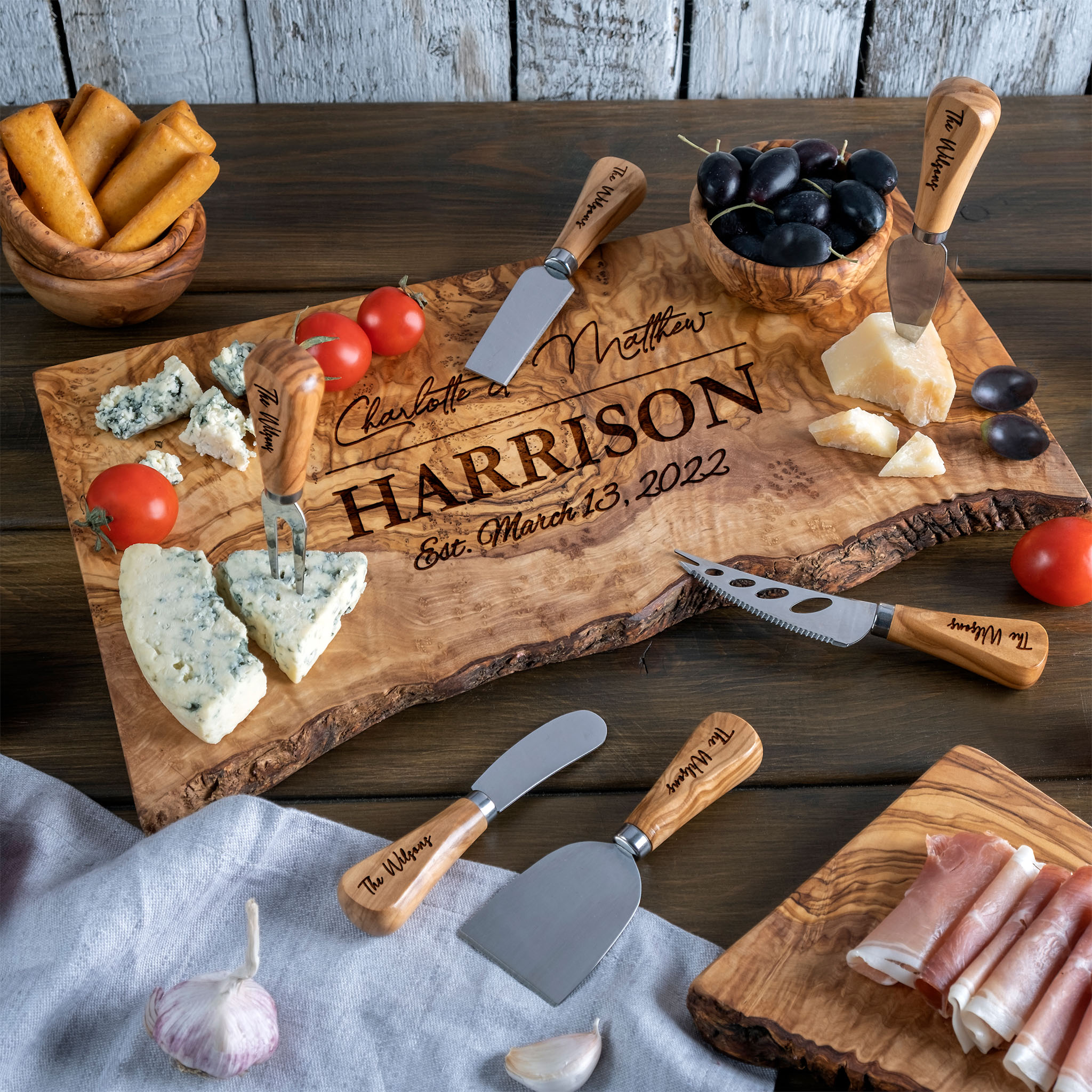
Premium cutting boards are distinguished by their exceptional craftsmanship, high-quality materials, and thoughtful design features that enhance safety, durability, and aesthetic appeal. These boards often incorporate innovative features such as integrated juice grooves to catch liquids, non-slip feet for stability, and ergonomic handles for ease of use. The materials used in premium boards include exotic hardwoods like teak, rosewood, or high-grade bamboo, as well as advanced composite materials that meet the highest safety standards. Investing in a premium cutting board means prioritizing longevity; these products are built to withstand years of heavy use without warping, cracking, or developing deep grooves that can harbor bacteria. Proper care extends their lifespan and includes regular oiling with food-grade mineral oil or beeswax, careful cleaning, and appropriate storage. Although they come at a higher initial cost, premium cutting boards offer excellent value through their robustness, safety features, and aesthetic qualities. They serve not only as practical kitchen tools but also as beautiful display pieces that reflect craftsmanship and quality. Such boards are especially suitable for serious cooks, culinary enthusiasts, and anyone who appreciates fine kitchenware that combines function with artistry.
Cutting Board Maintenance: Ensuring Safety, Hygiene, and Longevity
Proper maintenance of your cutting boards is essential for ensuring food safety, preserving their appearance, and extending their functional lifespan. Regular cleaning after each use is fundamental; washing with hot, soapy water and thoroughly rinsing removes food residues and bacteria. Disinfecting with diluted bleach solutions, commercial sanitizers, or vinegar solutions helps eliminate pathogens, especially after preparing raw meats. Drying the boards completely after cleaning prevents moisture buildup, which can lead to warping, cracking, or mold growth. Periodic oiling with food-grade mineral oil or beeswax keeps wooden boards hydrated, preventing them from drying out and cracking. For plastic and composite boards, replacing them when deep grooves or significant scratches appear is crucial to prevent bacterial buildup. Proper storage involves keeping boards in a dry, well-ventilated space, preferably upright to facilitate air circulation and drying. Using separate boards for different food categories and adhering to strict hygiene protocols are vital in preventing cross-contamination. With diligent maintenance, your cutting boards can remain safe, functional, and attractive for many years, supporting a healthy and efficient kitchen environment that prioritizes safety and hygiene at every step.