

Hyaluronic acid (HA) plays a pivotal role in cosmetic dermatology, particularly regarding dermal fillers used for enhancing soft tissues. The growing interest in minimally invasive cosmetic treatments has contributed to the rise in popularity of HA-based fillers, which provide effective aesthetic options while maintaining a commendable safety profile. Individuals looking for enhancement possibilities can explore toronto dermal fillers for valuable insights into the advantages and applications of these products.
Hyaluronic acid is a naturally occurring glycosaminoglycan found in various tissues throughout the body, including connective, epithelial, and neural tissues. Its remarkable properties, such as high water retention and viscoelasticity, allow it to serve various medical and cosmetic purposes effectively. Recent literature, particularly from the European Journal of Medical and Health Sciences, provides compelling evidence supporting the safety and biocompatibility of HA fillers, making them an excellent choice for patients pursuing cosmetic enhancement.
Safety Profile of HA Fillers
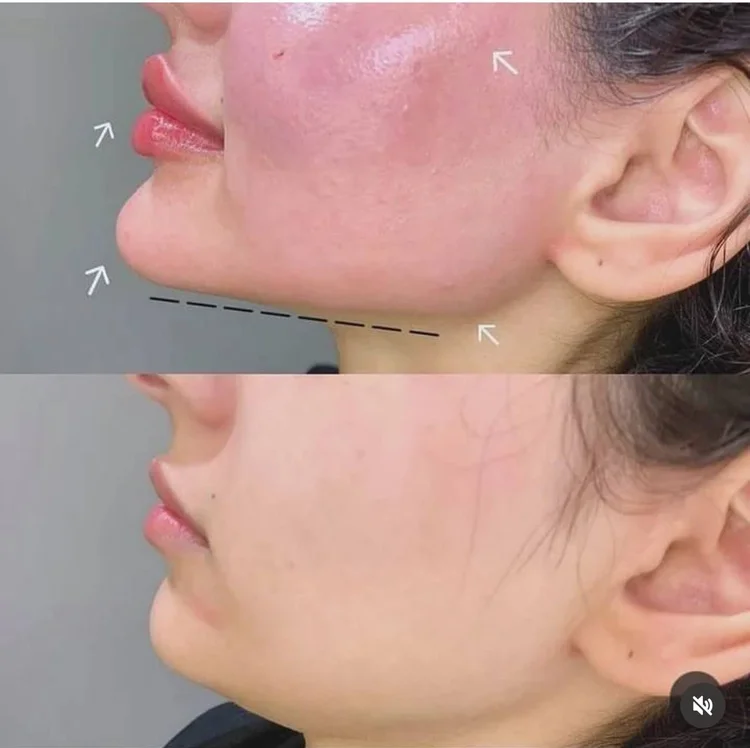
The safety profile of hyaluronic acid fillers is notably impressive. Clinical studies consistently indicate that adverse reactions are predominantly mild and transient, with typical side effects including temporary swelling, redness, and bruising at the injection site. These reactions are common to many injectable procedures and generally resolve without intervention. Although more serious complications can occur, they are infrequent and often tied to injection techniques rather than the HA product itself. This underscores the critical importance of skilled practitioners in administering these fillers, as proper techniques can significantly minimize risks and enhance patient safety.
Additionally, the risk of allergic reactions to HA fillers remains substantially low. Since hyaluronic acid is a substance naturally present in the human body, the likelihood of immunogenic responses is significantly reduced. This biocompatibility allows patients to undergo treatments with increased peace of mind, knowing that their bodies are less likely to react adversely to a product that mimics a naturally occurring component. Consequently, the safety profile of HA fillers, alongside their biocompatibility, positions them as a preferred option in the cosmetic industry.
Biodegradability of HA Fillers
Another significant advantage of hyaluronic acid-based fillers involves their biodegradable nature. Unlike permanent fillers, which can lead to long-term changes and complications, HA fillers are metabolized by the body over time. The effects of these fillers are temporary, typically lasting anywhere from 6 to 18 months, depending on several factors such as the specific formulation and the injection site. This temporary characteristic allows patients to reassess their aesthetic choices periodically, providing them with the flexibility to maintain, adjust, or discontinue the use of fillers.
The reversibility of HA fillers proves particularly beneficial for individuals who may feel uncertain about making lasting changes to their appearance. Should a patient find themselves dissatisfied with the results, the natural biodegradation process means that any undesired outcomes can be resolved as the filler naturally dissipates from the body. This feature offers a safety net for patients and encourages exploration of cosmetic options without the fear of irreversible commitments, making HA fillers a more attractive choice in cosmetic procedures.
Versatility and Clinical Applications of HA Fillers
The versatility of hyaluronic acid fillers extends beyond facial injections; they are increasingly employed for body contouring procedures, including buttock augmentation. The application of HA in these areas showcases its efficacy and adaptability in enhancing body aesthetics. For individuals considering these treatments, researching toronto dermal fillers can provide insights into the latest techniques and options available in the market.
Clinical outcomes from studies demonstrate high patient satisfaction rates and minimal complications, further solidifying the credibility of HA fillers in cosmetic enhancement. Beyond aesthetic applications, the biocompatibility of HA fillers is evidenced by their extensive use in various medical fields, such as ophthalmology and orthopedics. The limited risk of immunological reactions associated with HA products has contributed to their widespread acceptance among practitioners and patients alike. Recent advancements in cross-linked HA formulations have enhanced the stability and longevity of these fillers, making them even more appealing for both facial and body cosmetic procedures.