






Cortisone injections are a common medical treatment used to alleviate pain and inflammation in various conditions. This article provides general informational content about these injections, including their uses, advantages, potential drawbacks, and considerations for those seeking them in Toronto. Always consult a healthcare professional for personalized advice.
What Are Cortisone Injections?
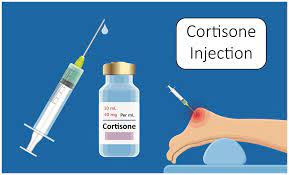
Cortisone injections, also known as corticosteroid injections, involve delivering a synthetic version of the hormone cortisol directly into a joint, tendon, or soft tissue. Cortisol is naturally produced by the adrenal glands and helps regulate inflammation in the body. These injections mimic this effect to provide targeted relief.
They are often used for conditions like arthritis, bursitis, tendonitis, and certain types of back pain. The medication typically includes a corticosteroid, such as methylprednisolone or triamcinolone, combined with a local anesthetic for immediate pain relief. The anti-inflammatory effects can last from weeks to months, depending on the individual and the condition being treated.
In general, these injections are administered by healthcare providers like rheumatologists, orthopedic specialists, or sports medicine doctors. The procedure is minimally invasive and usually performed in an outpatient setting.
Benefits of Cortisone Injections
One of the primary benefits is rapid pain relief. Many patients experience reduced discomfort within a few days, allowing them to resume daily activities or participate in physical therapy more effectively. For inflammatory conditions, such as rheumatoid arthritis or osteoarthritis, cortisone can decrease swelling and improve joint mobility.
These injections are particularly useful when oral medications or topical treatments fail to provide adequate relief. They offer a non-surgical option for managing chronic pain, potentially delaying or avoiding the need for more invasive procedures like joint replacement surgery.
Additionally, cortisone injections can aid in diagnosis. If pain subsides after an injection in a specific area, it confirms the source of the problem, guiding further treatment.
Potential Risks and Side Effects
While generally safe, cortisone injections carry some risks. Common side effects include temporary pain or swelling at the injection site, which usually resolves within a few days. Some people may notice skin discoloration or thinning around the area.
More serious risks, though rare, include infection, which can occur if bacteria enter the injection site. Repeated injections in the same joint may lead to cartilage damage or weakening of tendons, increasing the risk of rupture. Hormonal side effects, such as elevated blood sugar levels, are a concern for individuals with diabetes. Women might experience changes in menstrual cycles, and there's a small chance of allergic reactions to the medication.
Long-term use can contribute to bone thinning (osteoporosis) or suppression of the body's natural cortisol production. Healthcare providers typically limit injections to three or four per year in the same site to minimize these risks.
What to Expect During the Procedure
Before receiving a cortisone injection, your doctor will review your medical history and may perform imaging tests like X-rays or ultrasounds to guide the needle accurately. The procedure itself takes only a few minutes.
You'll be positioned comfortably, and the skin will be cleaned to reduce infection risk. A local anesthetic might be applied first. Using a thin needle, the corticosteroid mixture is injected into the targeted area. You may feel pressure or a brief sting, but discomfort is minimal.
Afterward, rest the treated area for a day or two. Avoid strenuous activities, and monitor for signs of infection, such as increased redness or fever. Follow-up appointments help assess effectiveness and plan next steps.
Availability of Cortisone Injections in Toronto
For residents seeking cortisone injections Toronto offers numerous options through public and private healthcare facilities. Sports medicine clinics, pain management centers, and hospitals provide these services, often covered partially by provincial health insurance for medically necessary cases. It's advisable to get a referral from a family doctor to access specialists.
In Toronto, providers emphasize patient education and may combine injections with physiotherapy or lifestyle modifications for better outcomes. Research local options to find experienced practitioners, ensuring the treatment aligns with your health needs.
Alternatives to Cortisone Injections
If cortisone isn't suitable, alternatives include non-steroidal anti-inflammatory drugs (NSAIDs), physical therapy, or hyaluronic acid injections for joint lubrication. Platelet-rich plasma (PRP) therapy uses your blood components to promote healing, while acupuncture or lifestyle changes like weight management can also help manage pain.
In summary, cortisone injections provide valuable relief for many, but weighing benefits against risks is essential. Discuss with a Toronto-based healthcare provider to determine if this treatment fits your situation.




The Cortisone Market 2021 research report gives emerging industry data, global segments and regional outlook.
This report covers up all details such as size, share, value, growth, restraints, and opportunities for the year 2020 to 2027.
The report generated using various analysis tools like porter’s five forces model, market attractiveness and value chain.
The report gives comprehensive review of the global market helping to club revenue generation and profitable business to transform client’s success.The research report also covers the comprehensive profiles of the key players in the market and an in-depth view of the competitive landscape worldwide.
The major players in the cortisone market include AstraZeneca, Bristol-Myers Squibb Company, GlaxoSmithKline, Merck & Co. Inc., Novartis AG, Pfizer, Pharmascience Inc. and Others.
This section includes a holistic view of the competitive landscape that includes various strategic developments such as key mergers & acquisitions, future capacities, partnerships, financial overviews, collaborations, new product developments, new product launches, and other developments.Get more information on "Global Cortisone Market Research Report" by requesting FREE Sample Copy athttps://www.valuemarketresearch.com/contact/cortisone-market/download-sampleMarket DynamicsThe increasing rate of joint pain like wrist, knee, arthritis problem, ulcerative colitis, and lupus is primarily driving the market growth.

Cortisone Market: OverviewCortisone market’s evolution stems from the therapeutic effect of corticosteroid with glucocorticoid activity.
The popularity in therapeutic application is triggered by wide spectrum of applications of systemic corticosteroid therapy.
The endogenous hormone cortisol is structurally and pharmacologically similar to glucocorticoids, one of the key classes of corticosteroids--the synthetic analogues of the natural steroid hormones and their mediators.
Use of corticosteroids for the management of ophthalmologic, dermatologic, rheumatologic, hematologic, gastrointestinal (GI), and pulmonary disorders.
Grab an exclusive PDF Brochure for this report!Positive results emanating from wide array of studies on physiological and pharmacological actions of cortisone have triggered its utilization in inflammatory and autoimmune diseases.
High mortality of adrenal suppression in pediatrics will spur new avenues in the global cortisone market.