War literature has always held a powerful grip on readers. Whether it’s a brutal battle scene, a soldier’s inner monologue, or the aching silence after a loss, these stories pull us into experiences we’ve likely never lived ourselves. But what happens to the reader when they close the book? For many, the emotional and psychological echoes linger long after the final chapter. Modern readers often find themselves affected in surprising ways—especially when diving into the best historical fiction war books.
Why War Literature Still Hits Hard
Though we’re far removed from many of the wars described in fiction, the emotional realities still feel personal. These books force readers to confront human suffering, moral conflict, and loss in a way that’s deeply immersive. For example, J.D.R. Hawkins’ Renegade Series doesn’t just tell a story—it invites the reader to live it. Her writing explores the toll of war on families and individuals, especially through the eyes of those who often go unheard in mainstream history.
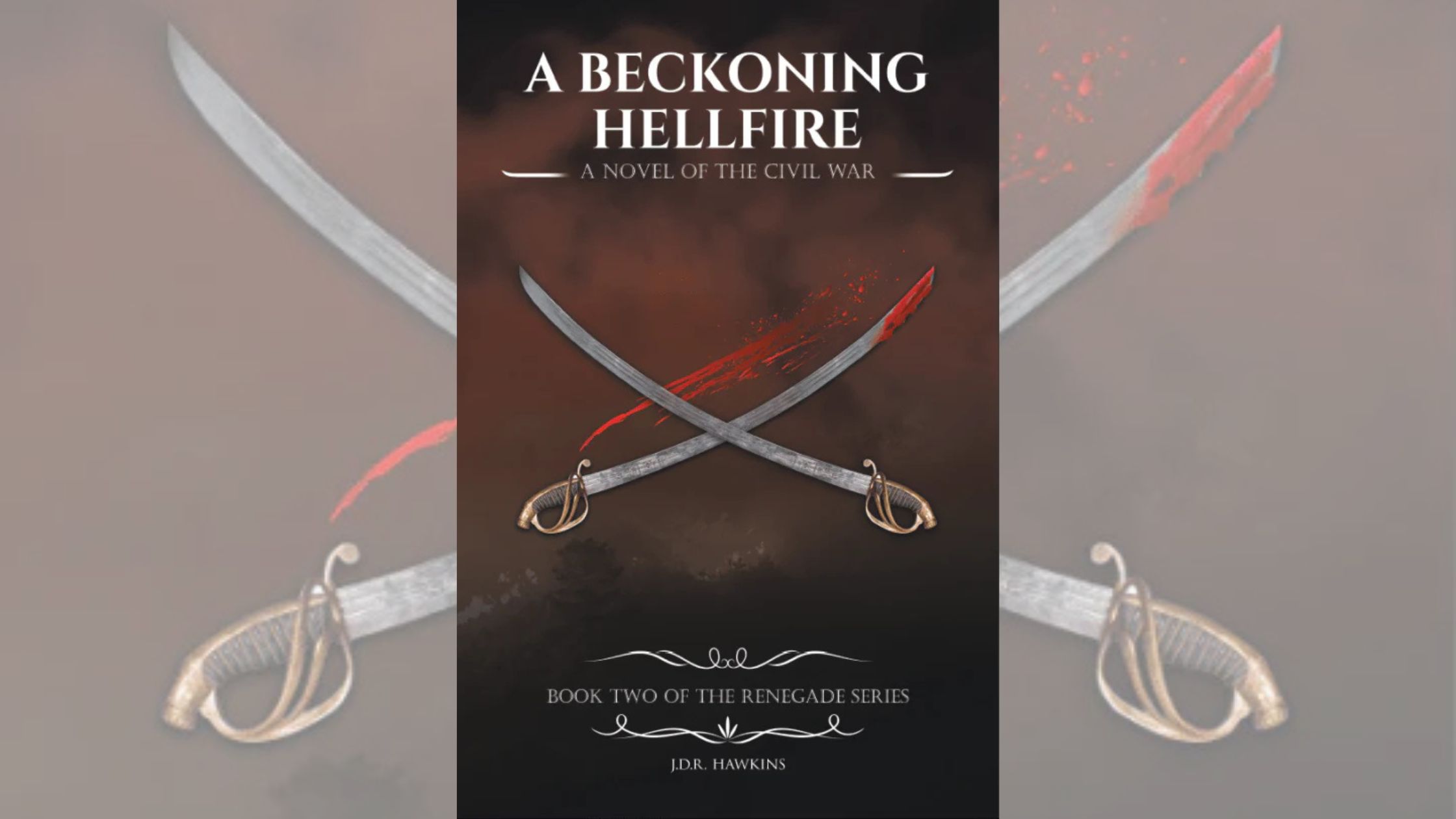
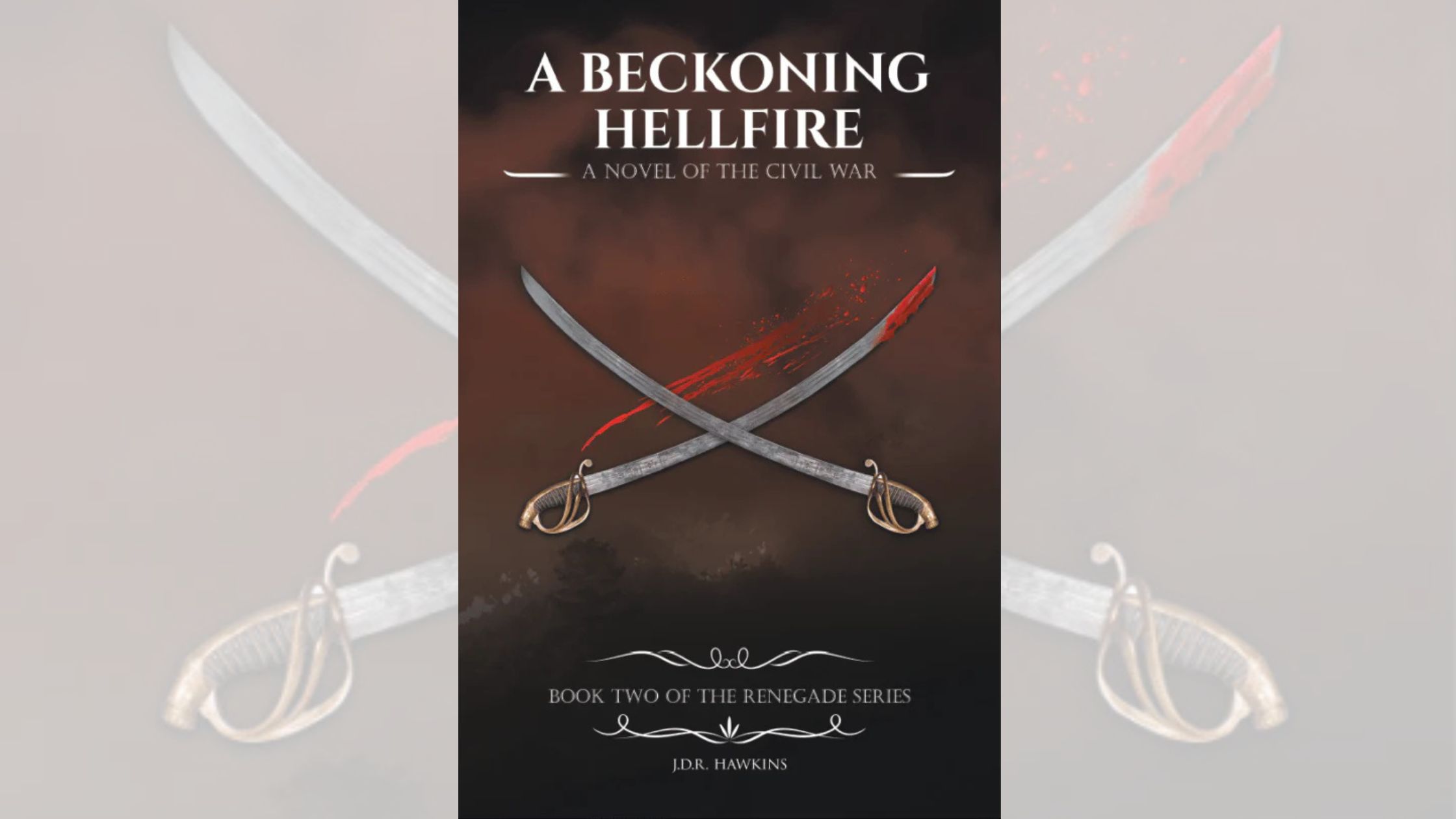
Set during the Civil War, books like A Beautiful Glittering Lie and A Beckoning Hellfire place the reader right in the thick of things—not with glorified battle scenes, but with raw, honest portrayals of grief, confusion, and identity crisis. This kind of storytelling allows modern readers to empathize with people from another era. And that kind of empathy often leads to emotional exhaustion, introspection, or even healing.
PTSD—Before We Had a Name for It
One of the most profound effects of war literature is how it quietly educates readers about trauma. Characters show symptoms of what we now know as PTSD—nightmares, withdrawal, flashbacks, or outbursts—but without ever naming it. Back then, these behaviors were often brushed off as “shell shock” or “melancholy.” Today, readers recognize the signs. That recognition alone creates a powerful connection.
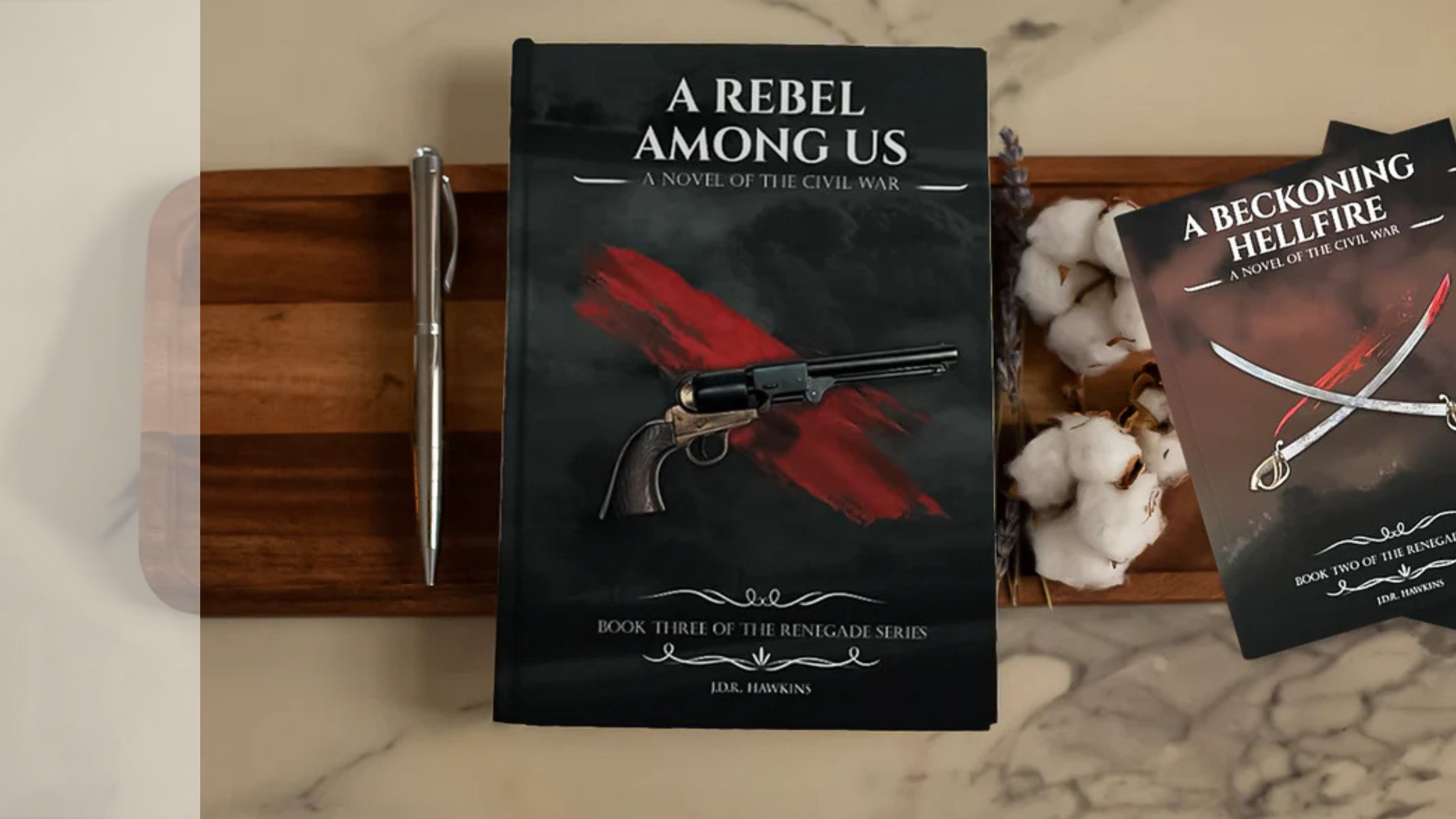
In A Rebel Among Us and Double-Edged Sword, Hawkins captures this sense of disorientation and emotional numbness with startling clarity. Even though her characters never use modern terminology, their pain is clear and relatable. For readers who have experienced trauma—whether military-related or not—these stories offer a form of validation and solidarity.
Emotional Catharsis and Reflection
Reading war fiction often results in emotional catharsis. There’s something incredibly human about crying over a fictional character or feeling gut-punched by a loss that never actually happened. But those reactions are important. They give readers a safe space to process complex emotions—grief, fear, rage, even guilt.
Many best historical fiction war books do this by focusing on personal stories rather than broad history. Instead of explaining the outcome of a war, they show how it breaks families apart, tests loyalties, and shatters identities. This personal lens makes it easier for readers to reflect on their own relationships, values, and emotional resilience.
Building Historical Awareness Through Emotion
While war fiction is clearly not a replacement for history textbooks, it plays a unique role in helping readers feel history. That emotional connection can make historical facts stick in ways a classroom lecture never could. Fiction fills in the human details that stats and timelines leave out.
Take Hawkins’ nonfiction work Horses in Gray, for instance. Even though it’s technically historical nonfiction, it still reads with emotional depth and poetic imagery. Readers aren’t just learning about famous Confederate horses—they’re absorbing the atmosphere of the time, the desperation, and the heroism tied to these animals. It’s the same emotional layering she brings to her fiction.
The Quiet Power of Morality Tales
War stories, especially those told from the perspective of the underdog or the morally torn, often double as morality tales. That’s especially true for books like Fool’s Gold Folly: A Story of Irish Resilience, where the backdrop of post-Civil War life intertwines with immigrant struggles, grit, and hope. Readers are encouraged to consider what it means to survive—not just physically, but with one’s ethics and compassion intact.
For modern readers dealing with uncertainty, political unrest, or personal loss, stories like these offer more than entertainment. They offer perspective.
Final Thoughts
War literature, especially from voices like J.D.R. Hawkins, holds a mirror up to the reader. It doesn’t just teach history—it invites readers to feel it. The psychological impact is both subtle and lasting. Whether it’s the slow burn of grief, the pang of recognition, or the release of tears you didn’t expect to shed, the best historical fiction war books give readers something real to hold onto. And in a world that often moves too fast, that kind of emotional grounding matters more than ever.