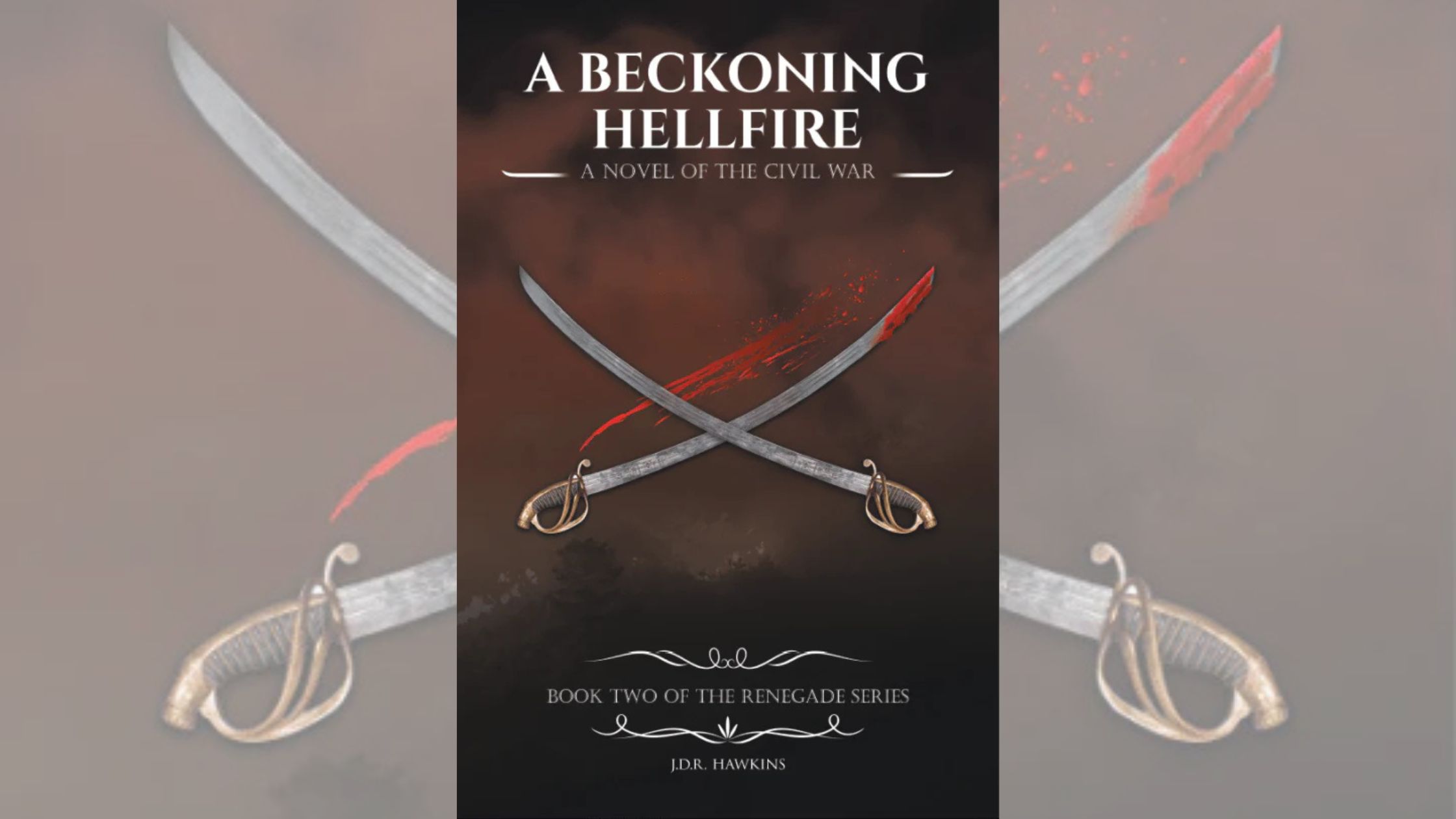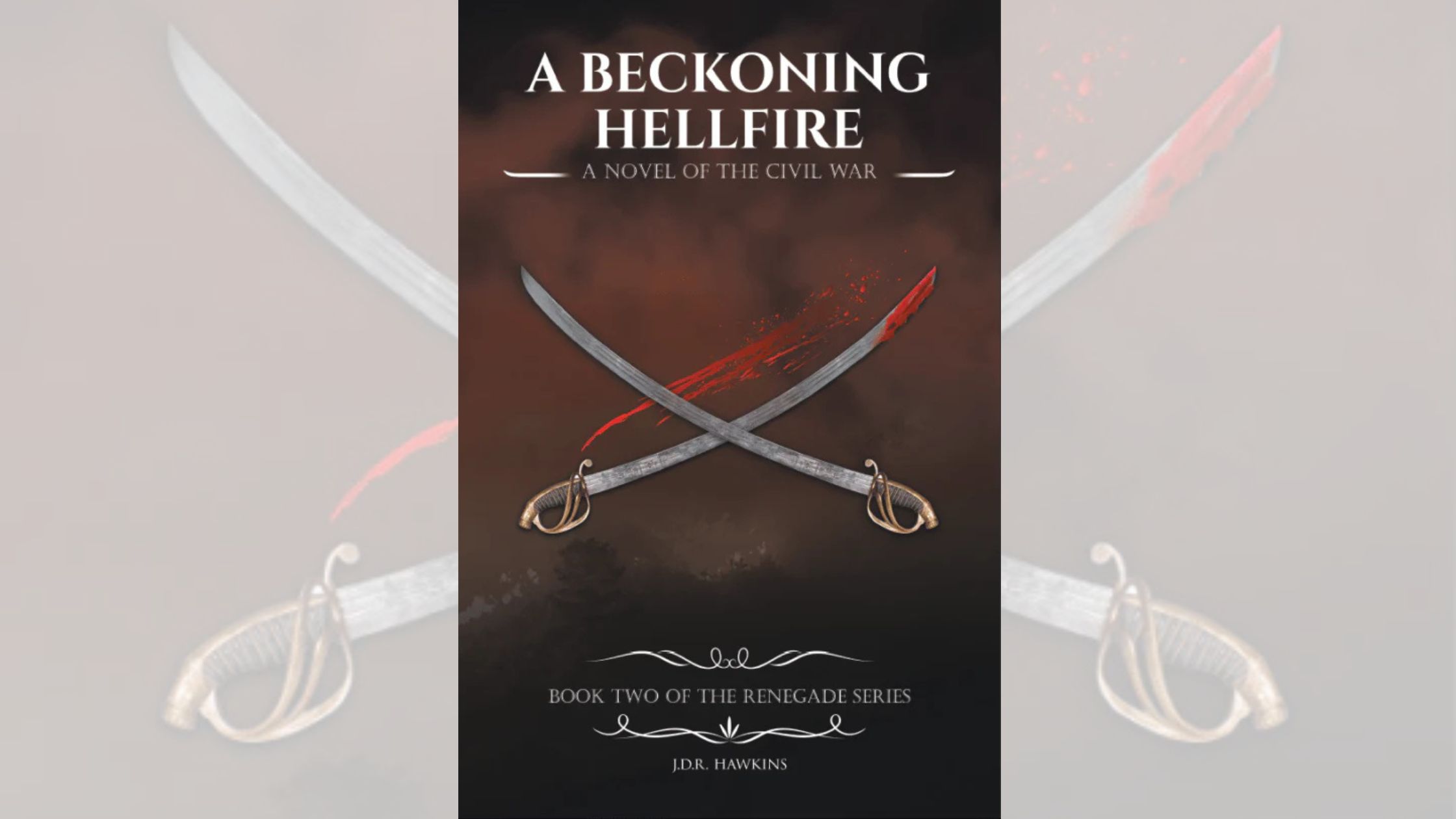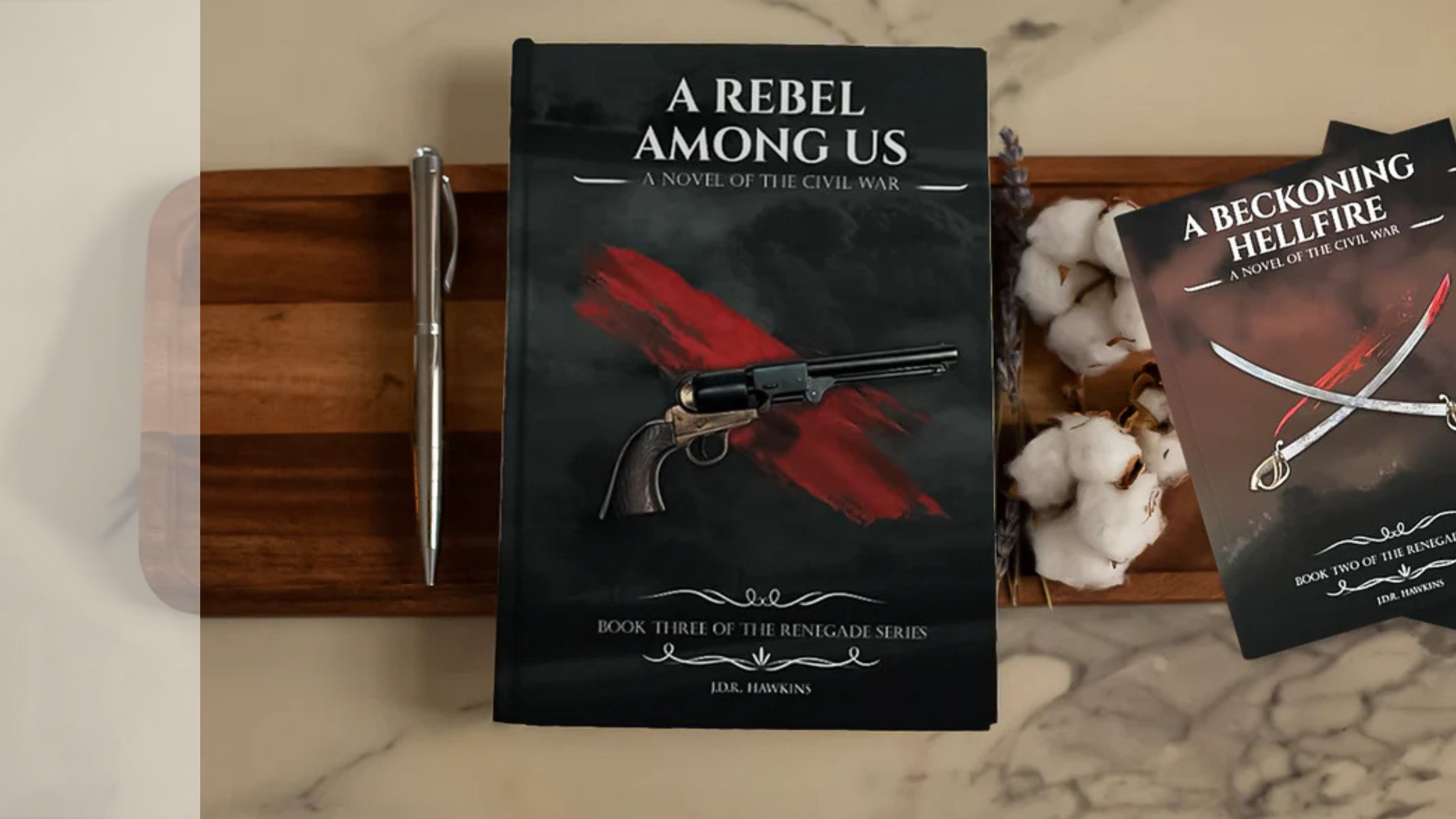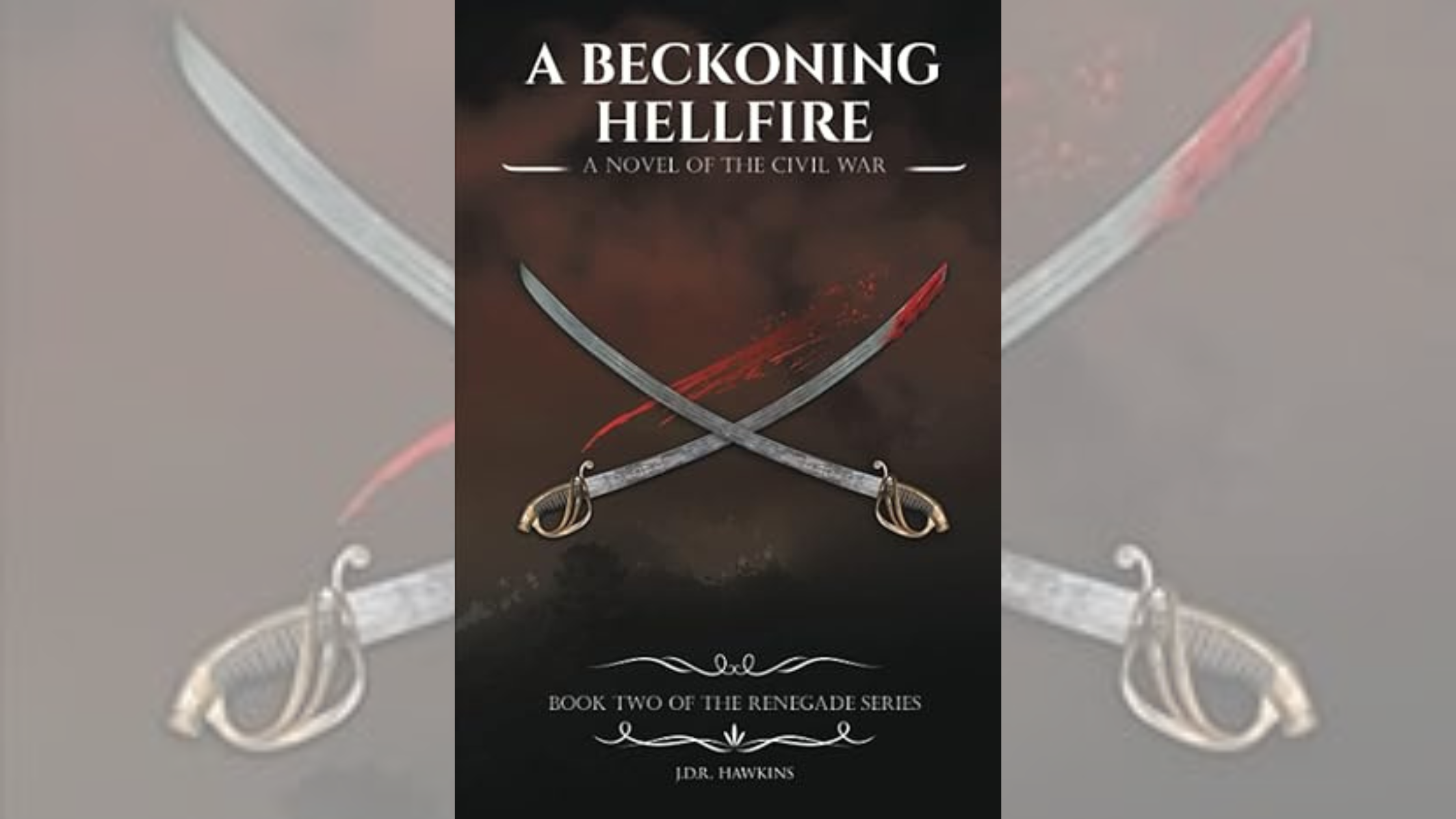
History often feels like a list of dates, battles, and names tucked away in dusty textbooks. For many teenagers, it can seem distant and hard to connect with. But stories bring the past to life. Through characters, emotions, and struggles, young readers can walk in the shoes of those who lived long ago. This is why civil war historical fiction for young adults has become such a powerful tool for sparking interest in America’s past.
Stories That Humanize History
Textbooks usually focus on generals, strategies, and political outcomes. While these are important, they don’t always make the past feel personal. Historical fiction flips that perspective. It introduces relatable characters, often young people themselves, who are caught in the chaos of war. Readers get to feel their fears, their courage, and their heartbreak.
By stepping into these fictional lives, young adults can understand that the Civil War wasn’t just about North and South. It was about families divided, friendships tested, and ordinary people making extraordinary choices. This emotional connection turns a historical event into a deeply human story, one that lingers long after the book is closed.
A Gateway to Deeper Learning
Fiction may be imagined, but it can also ignite curiosity about real events. A teenager who reads a novel about a young soldier or a runaway slave might then want to know more. They may look up battle maps, biographies, or primary documents. In this way, fiction acts as a gateway, nudging readers toward exploring history on their own terms.
Teachers and parents often find that pairing novels with factual resources encourages critical thinking. Young readers begin to ask questions such as, “Did this really happen?” or “What would I have done in their place?” These questions build a natural bridge between story and scholarship.
Developing Empathy and Perspective
The Civil War was one of the most painful chapters in American history. Through fiction, young adults can gain insight into perspectives that traditional lessons sometimes overlook. For instance, novels can highlight the experiences of women, African Americans, and children, voices not always heard in textbooks.
This kind of storytelling fosters empathy. Readers can better grasp the fear of a child whose father went off to war or the determination of someone fighting for freedom. When young adults feel these emotions, they don’t just learn about history. They begin to care about it.
Making History Relevant Today
The struggles of the past often echo into the present. Themes of unity, justice, and resilience remain just as meaningful now as they were 150 years ago. Historical fiction allows young adults to see these connections clearly.
For example, reading about the hardships faced during the Civil War might spark conversations about equality, civil rights, or even modern conflicts. These parallels help teenagers realize that history is not just about “what happened back then.” It shapes who we are and the values we live by today. That’s the kind of lesson no timeline alone can teach.
Inspiring Lifelong Readers
Another benefit of civil war historical fiction for young adults is that it turns history into a story worth reading for pleasure. A gripping novel can hook even reluctant readers. Once they discover that history can be told like an adventure, mystery, or even a love story, they may be more willing to keep exploring.
When a book leaves a lasting impression, it can spark a love of reading that carries into adulthood. And along the way, young people learn history almost without realizing it.
Balancing Fact and Fiction
Of course, it’s important that historical fiction stays rooted in truth. The best novels weave carefully researched details into their plots. This balance ensures that while the story may be imagined, the historical backdrop is authentic.
Educators and parents can guide teens toward books that strike this balance well. Doing so helps them gain both an enjoyable reading experience and an accurate historical understanding.
Final Thoughts
At its core, history is about people, their choices, struggles, and dreams. When young adults read stories set during the Civil War, they aren’t just memorizing battles or speeches. They’re walking beside characters who lived through it all, feeling what they felt, and learning lessons that still matter today.
That is the true power of civil war historical fiction for young adults. It doesn’t just teach about the past; it inspires curiosity, empathy, and reflection. Most importantly, it helps young readers realize that history is not only alive, it’s a part of them.