

Client Overview
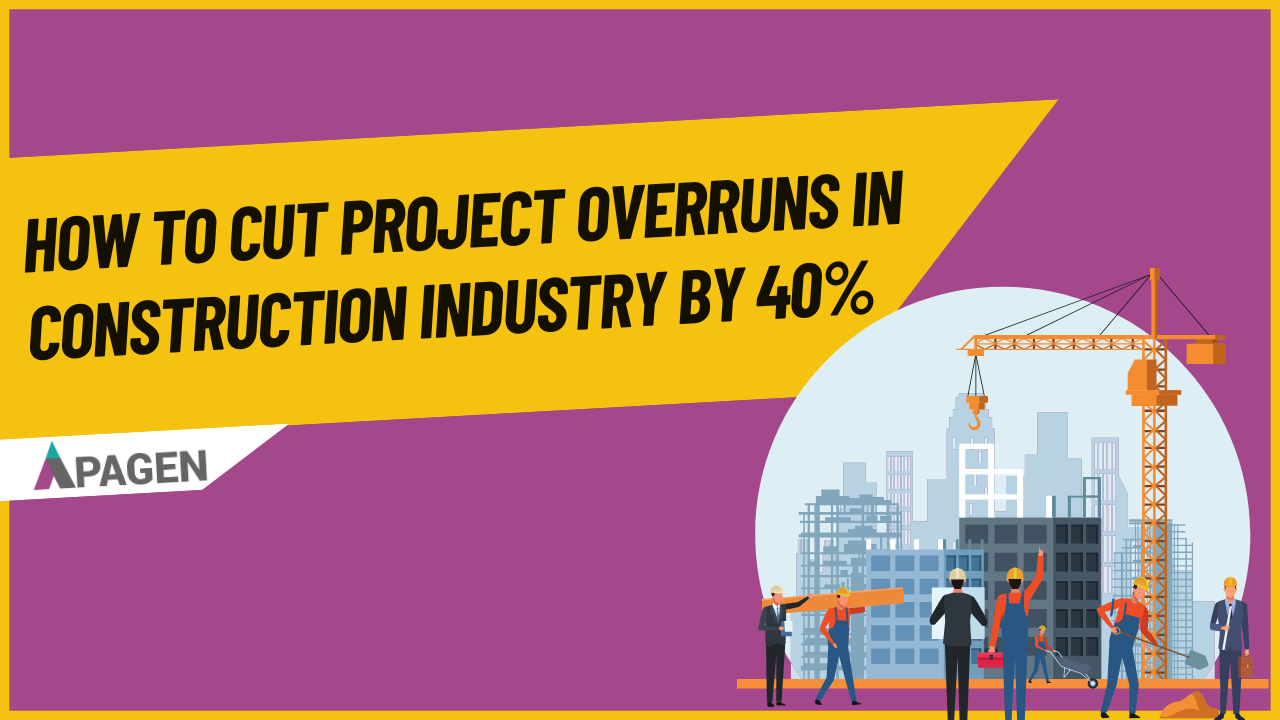
The client is a mid-sized industrial construction firm based in Delhi NCR, employing over 500 staff and managing projects worth ₹200–300 crore annually.
Their core business is the design and execution of manufacturing plants, warehouses, and industrial infrastructure across multiple sites in the NCR belt.
In the Delhi NCR market, they are known for time-bound project delivery but were under pressure to maintain profitability amidst rising input costs and vendor price volatility.
The Challenge
When we first engaged with the client, the procurement process was heavily fragmented:
- Vendor quotations came via email or phone calls, with no structured comparison.
- Procurement teams worked in silos, tracking prices in spreadsheets often outdated or inconsistent.
- Cement and steel prices could fluctuate 5–7% within weeks, but there was no mechanism to benchmark or lock-in rates.
- Multi-site procurement created duplication of effort: five separate sites sometimes placed overlapping orders with different vendors at different prices.
Impact:
- Each industrial project was overshooting procurement budgets by 10–12%.
- Vendor negotiations lacked leverage, as decisions were reactive rather than data-driven.
- The finance team often discovered price mismatches only at the payment reconciliation stage, too late to act.
It was clear: the issue wasn’t just procurement inefficiency but it was a systemic leakage in profitability and competitive positioning.
Objectives & Expectations
From strategy workshops with the MD, CFO, and Procurement Head, we distilled the following objectives:
1. Stabilize procurement costs despite vendor price volatility.
2. Build a centralized procurement hub, accessible across all project sites.
3. Enable real-time vendor quotation comparison to ensure negotiation power.
4. Define KPIs:
- Target ≥15% savings in procurement costs.
- Reduce PO approval cycle time by 30%.
- Create auditable procurement records to meet corporate governance standards.
Scope of Work
We mapped the solution across three interconnected departments:
- Procurement → Vendor management, RFQs, approvals.
- Inventory → Demand forecasting, stock vs. purchase alignment.
- Finance → Vendor payment tracking, reconciliation, and budget alignment.
Complexity Factors:
- 5 concurrent project sites with independent procurement staff.
- Multiple vendor categories (cement, steel, aggregates, MEP materials).
- Compliance needs: every purchase above a threshold had to be board-approved.
This wasn’t just an ERP implementation it was procurement re-engineering through construction specific ERP solution.
Solution Implementation
We deployed Odoo ERP with the Purchase, Inventory, and Accounting modules, but the value came from strategic configurations:
• Automated RFQ Process:
- Instead of ad-hoc vendor calls, Odoo auto-generated RFQs.
- Vendors submitted quotes digitally, feeding directly into Odoo.
• Vendor Comparison Dashboard:
- Side-by-side price comparison for cement, steel, and aggregates.
- Historical price trends visible before final selection.
• Approval Hierarchies:
- Purchases >₹10 lakh routed through multi-level approval.
- Configured escalation workflows to prevent bottlenecks.
• Market Index Benchmarking:
- Integrated external price index feeds for steel and cement.
- Procurement decisions validated against live benchmarks.
• Inventory Linkage:
- Site-level demands automatically fed into purchase requirements.
- Prevented duplicate orders across sites.
This turned procurement into a data-driven, centralized, and compliance-friendly function.
Execution Challenges
As with any on-ground ERP deployment in construction, challenges were real:
- Cultural Resistance:
Site procurement teams were comfortable with phone-based vendor deals, fearing Odoo would “slow them down.”
➝ We countered this by running live simulations, showing how the system could get approvals faster than emails.
- Vendor Adoption:
Local vendors hesitated to log into a portal.
➝ We designed a lightweight RFQ email-to-system integration, so vendors could still respond to emails but have data structured in Odoo.
- Approval Delays Initially:
Early workflows were too rigid. Some urgent POs got stuck.
➝ We re-tuned workflows, introducing fast-track approvals for urgent low-value items, while maintaining compliance for large spends.
Implementation wasn’t just about technology — it required change management, process redesign, and relentless follow-ups at site level.
Results & Business Impact
Within 6 months of go-live, measurable results emerged:
- Procurement costs reduced by 18% across steel, cement, and aggregate categories.
- Approval cycles dropped by 40%, enabling faster material mobilization on sites.
- Vendor negotiations became data-backed, increasing bargaining power by 25%.
- Finance gained real-time visibility, preventing last-minute cost overruns.
- Profitability per project improved by 12%, strengthening competitiveness in the NCR market.
So, now the client now had a sustainable procurement model, not just temporary savings.
Client Feedback
“Before Odoo, procurement felt like firefighting. Today, we negotiate with confidence, approvals are transparent, and the system itself helps us save costs. We no longer depend on guesswork; the numbers speak for themselves.”
— Head of Procurement, Delhi NCR Construction Firm
Key Innovations
- Custom benchmarking integration for cement/steel price indices, rarely implemented in construction ERPs.
- Vendor portal-lite approach that allowed adoption without forcing change.
- Strategic mapping of procurement with finance and inventory, ensuring no leakage between demand, purchase, and payment.
These weren’t just system tweaks, they were strategic enablers for industrial construction.
This project proved that ERP success in construction isn’t about deploying modules, it’s about addressing industry-specific bottlenecks like vendor pricing, multi-site procurement, and compliance.
The next step for this client is to extend the integration to Project Management & Subcontractor Billing, further aligning procurement efficiency with project execution timelines.
So, the takeaway is clear: when ERP is designed with construction-specific realities in mind, it doesn’t just automate processes but it protects margins and secures competitiveness in volatile markets like Delhi NCR.
To know more how we can help you with your operational pain points drop us an email at sales@apagen.com or call us on +91 9971800665.