


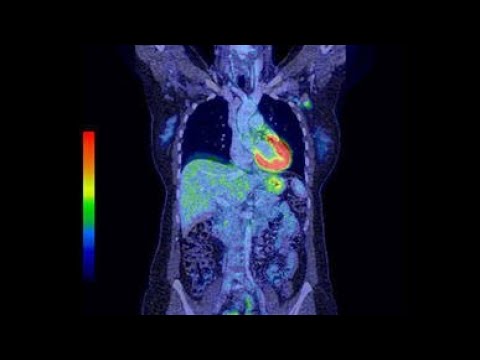
Brain PET/CT imaging is a diagnostic tool that combines two advanced technologies: positron emission tomography (PET) and computed tomography (CT). The PET scan shows how the brain is functioning by detecting metabolic activity, while the CT scan provides detailed images of the brain’s structure. Together, these scans allow physicians to evaluate brain disorders more accurately than either test alone.
This type of imaging is often used to help diagnose conditions such as Alzheimer’s disease, epilepsy, brain tumors, or the effects of stroke. It can also provide valuable insight into how the brain is responding to treatment. Understanding the purpose of the test helps patients feel more prepared and informed before the appointment.
Why Preparation Matters Before the Scan
Proper preparation ensures that the results of a brain PET/CT scan are as accurate as possible. The tracer used in the PET scan measures how cells in the brain use energy. Eating, drinking certain substances, or taking some medications too close to the scan can interfere with how the tracer works. This may affect the images and lead to less reliable results.
In addition to accuracy, preparation for a brain PET/CT scan helps make the experience smoother and less stressful. Patients who know what to expect can plan ahead, reduce anxiety, and approach the appointment with confidence. By following the preparation guidelines provided by the healthcare team, patients actively contribute to the quality of their diagnostic results.
Safety Guidelines You Should Know
Safety is a top consideration in any medical imaging procedure. Brain PET/CT scans involve a small amount of radioactive tracer along with low-dose X-rays from the CT portion. While the exposure is carefully controlled and considered safe for most patients, there are a few important precautions to keep in mind.
Patients are usually asked to avoid food and sugary drinks for several hours before the test. Fasting ensures that the tracer distributes properly in the body and highlights areas of the brain that are active. Drinking plain water is typically encouraged, but beverages like coffee, tea, or soda should be avoided unless specifically approved.
It is also important to tell the medical team about any medications you are taking. Some medicines may affect how the brain processes energy and could interfere with the tracer. Your doctor may recommend adjusting or delaying certain medications before the scan.
Special precautions apply for women who are pregnant or breastfeeding. Because the scan uses radioactive material, physicians will carefully evaluate whether the procedure is appropriate or if another imaging method should be considered. Patients with diabetes may also receive specific instructions to manage blood sugar before the test, since glucose levels can influence the accuracy of the PET scan.
How to Prepare for Comfort During the Scan
Preparing for comfort is just as important as following safety instructions. The procedure itself is painless, but it does involve lying still for a period of time, usually around 30 to 60 minutes. Wearing comfortable, loose-fitting clothing without metal zippers or snaps makes the process easier. Some imaging centers may provide a gown to avoid interference with the scan.
Since anxiety is common before medical imaging, patients may benefit from simple relaxation techniques. Deep breathing, listening to calming music, or practicing mindfulness before the appointment can help reduce nervousness. Bringing a supportive friend or family member to the imaging center may also provide reassurance, even if they cannot be in the room during the scan.
It is also wise to plan your day around the scan. Scheduling time to rest afterward and avoiding heavy commitments immediately after the appointment can help patients feel more at ease. By preparing for comfort, patients make the overall experience more manageable.
What Happens During the Scan
Knowing what to expect during the procedure can relieve uncertainty. When you arrive at the imaging center, you will check in and provide any necessary medical history. A technologist will insert a small intravenous (IV) line into your arm or hand to deliver the radioactive tracer. This tracer usually takes about 30 to 60 minutes to circulate in the body and highlight brain activity. During this waiting period, you will likely be asked to sit quietly in a dimly lit room. Activities like reading or talking may be discouraged, as they could affect brain activity and influence the scan results.
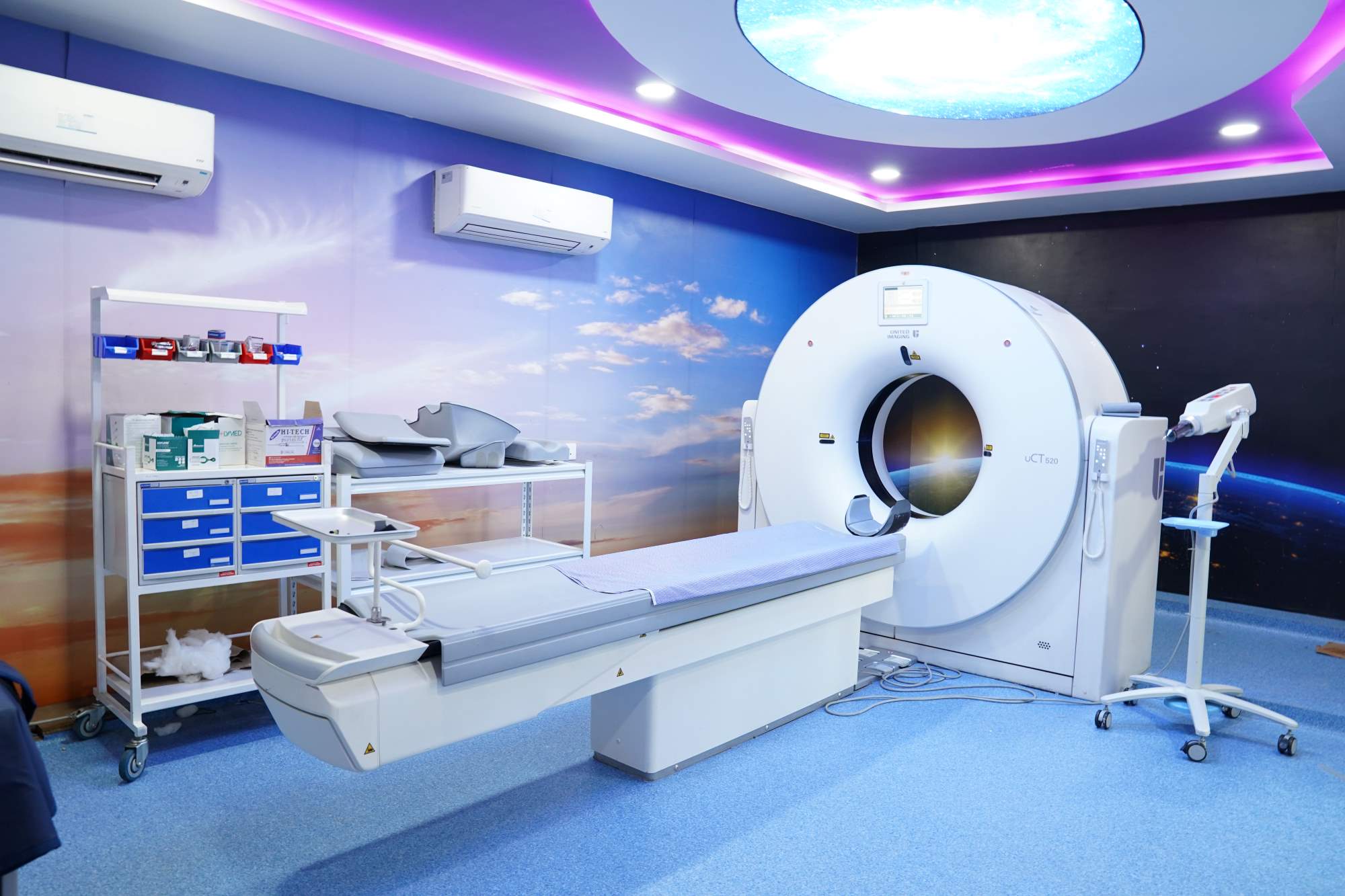
Once the tracer has distributed, you will be taken into the scanning room and positioned on the imaging table. The table will slide into the scanner, which is shaped like a large ring. You will need to remain still while the scanner takes images of your brain. The process is not painful, and the machine does not touch you. The scan itself typically lasts about 30 minutes.
After the scan, the IV line is removed, and you are usually free to leave the imaging center. The technologist may provide instructions about drinking fluids to help flush the tracer from your body.
After the Brain PET/CT Imaging Scan
Most patients can return to their normal activities soon after the scan. The radioactive tracer used in PET imaging naturally leaves the body through urine or stool, typically within a day. Drinking water can speed this process.
It is normal to feel a little tired after the appointment, especially if you had to fast. A light meal and rest are usually all that is needed to recover. In some cases, patients may be advised to avoid close contact with infants or pregnant women for a short period of time until the tracer has cleared.
The images from the scan are reviewed by a radiologist or nuclear medicine specialist, who then shares the results with your doctor. Your doctor will explain the findings and discuss what they mean for your care. Depending on the reason for the scan, additional tests or follow-up imaging may be recommended.
Key Takeaways for Patients
Preparing for a brain PET/CT scan involves more than just showing up for the appointment. Patients should follow fasting and medication instructions closely to ensure accurate results. Safety precautions such as informing the medical team about pregnancy, diabetes, or other conditions are essential. Comfort measures, including wearing suitable clothing and practicing relaxation techniques, help make the experience easier.
By knowing what to expect before, during, and after the scan, patients can approach the procedure with confidence. Clear communication with healthcare providers is the best way to ensure a safe and effective imaging experience.
Conclusion
Brain PET/CT imaging is an important diagnostic tool that provides insight into both the structure and function of the brain. With proper preparation, patients can help ensure accurate results while also making the process more comfortable. Understanding safety guidelines, planning for comfort, and knowing what happens before and after the scan allows patients to participate actively in their own healthcare journey.



Epilepsy is an easily treatable disease.
Diagnosis is established by brain scan (CT Scan and MRI scan).
Epilepsy can usually be controlled, but not cured, and it can be cured with anti epileptic medication.
However, in few cases seizure control is not achieved even with the best available medications.
Surgery may be considered in these refractory cases depending upon the scan.
For more details visit our page : https://bit.ly/3DEg1DI

We are providing our best services and advice about the best available PET CT Scan in Delhi.
We have best centres for nuclear imaging and PET CT scan.