

Cybersecurity isn’t just a tech issue it’s a business survival issue. Yet, so many companies, from startups to giants, keep tripping over the same traps, leaving their data, customers, and reputations vulnerable. In 2025, with cyber threats like AI-powered phishing and ransomware on the rise, understanding why companies fail at cybersecurity is crucial. In this article, we’ll explore the top reasons businesses get it wrong and offer practical fixes to tighten up your defenses all with a human touch to keep it relatable.
1. Underestimating the Threat Landscape
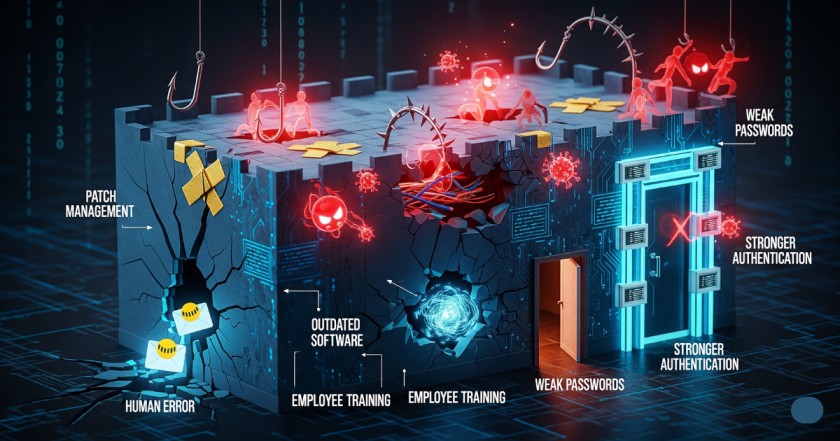
Many companies assume cyberattacks are someone else’s problem—until they’re hit. Small businesses, in particular, think they’re too small to be targets, but hackers love easy prey. In 2025, threats like deepfake scams and supply chain attacks don’t discriminate by size. I’ve heard of local shops losing thousands to a single phishing email because they thought, “Who’d target us?” Fix It: Stay informed about current threats through resources like CISA alerts or cybersecurity blogs. Conduct regular risk assessments to understand your vulnerabilities and prioritize defenses.
2. Skimping on Employee Training
Your employees are your first line of defense, but also your weakest link if untrained. A shocking number of breaches start with someone clicking a malicious link or reusing a weak password. In 2025, AI-driven phishing makes these mistakes costlier. I spoke to an IT manager who said their team avoided a ransomware scare because they’d just run a phishing simulation. Fix It: Invest in regular, engaging cybersecurity training. Use real-world simulations and reward employees for spotting scams. Make security part of your culture, not a chore.
Check out this: Best Cloud Security Services
3. Neglecting Software Updates and Patching
Outdated software is like leaving your front door unlocked. Hackers exploit known vulnerabilities in unpatched systems, yet many companies delay updates due to cost, time, or fear of disrupting operations. In 2025, zero-day exploits spread faster than ever. Fix It: Implement a strict patch management policy. Automate updates where possible and prioritize critical systems. Tools like Nessus can scan for vulnerabilities, helping you stay ahead of exploits.
4. Weak Access Controls and Authentication
If your systems are protected by weak passwords or lack multi-factor authentication (MFA), you’re practically inviting hackers in. Insider threats whether malicious or accidental also thrive when access isn’t tightly controlled. Fix It: Enforce strong passwords and enable MFA across all accounts. Adopt a zero-trust model, where access is verified every time. Tools like Okta or Duo can simplify this without slowing down your team.
5. Ignoring Incident Response Planning
Too many companies have no plan for when a breach happens, leading to chaos and bigger losses. Without a clear incident response strategy, you’re scrambling while hackers run rampant. Fix It: Develop and test an incident response plan. Identify key players, define communication channels, and practice with tabletop exercises. Partner with firms like CrowdStrike for rapid response support if needed.
Why Fixing These Matters
Failing at cybersecurity can cost millions think data breaches, fines, or lost customers. In 2025, with regulations like GDPR and CCPA tightening, the stakes are higher. These fixes aren’t just about avoiding disaster; they build trust and resilience. Start small: train your team, patch systems, and plan for the worst. Check out solutions from providers like Palo Alto Networks or SANS Institute to strengthen your strategy. Cybersecurity isn’t perfect, but getting these basics right puts you miles ahead of the hackers.
Check out this: Best Cybersecurity Services Company