


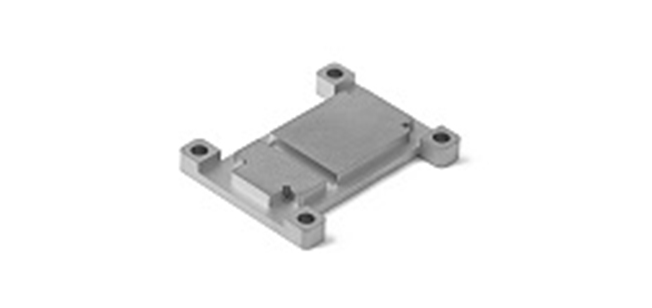
In the rapidly evolving landscape of advanced electronics, aerospace, automotive, and industrial applications, material selection is crucial for optimizing performance, reliability, and longevity. One material that has emerged as a true game-changer in high-performance environments is molybdenum copper. Renowned for its exceptional combination of thermal conductivity, mechanical strength, and stability, molybdenum copper has revolutionized the way engineers and designers approach critical applications where heat management and structural integrity are paramount.

At Tone Cooling Technology Co., Ltd., innovation in thermal solutions and high-performance materials is at the forefront of our mission. Leveraging molybdenum copper in the design of electronic cooling systems, power modules, and high-precision components allows our clients to achieve optimal performance while maintaining reliability and energy efficiency. The unique properties of molybdenum copper make it an indispensable material for applications that demand high heat dissipation, low thermal expansion, and long-term durability.
This comprehensive guide will explore why molybdenum copper is considered a game-changer in high-performance applications. We will delve into its composition, thermal and mechanical properties, advantages over traditional materials, and its wide-ranging applications across multiple industries. Furthermore, we will provide insights into how to select the right molybdenum copper solutions for your specific needs, along with frequently asked questions to address common considerations.
Understanding Molybdenum Copper
Molybdenum copper, also known as CuMo, is a composite material that combines the high thermal and electrical conductivity of copper with the high melting point, strength, and low thermal expansion of molybdenum. This unique combination enables molybdenum copper to perform exceptionally well in environments characterised by high heat flux and mechanical stress.
Key properties of molybdenum copper include:
- High Thermal Conductivity – Copper content ensures efficient heat dissipation for electronics and high-power components.
- Low Thermal Expansion – Molybdenum’s stability minimizes expansion and contraction under thermal cycling, ensuring precision and structural integrity.
- Mechanical Strength – The composite can withstand high stress and mechanical loads without deforming or losing performance.
- High Melting Point – Ideal for high-temperature applications where conventional copper or aluminum would fail.
This unique combination of properties allows molybdenum copper to address challenges that conventional metals and alloys often cannot, particularly in high-performance electronics and power systems.
Why Molybdenum Copper Outperforms Traditional Materials
Traditional materials, such as aluminum, steel, or pure copper, often fall short in applications requiring simultaneous high thermal conductivity and structural stability. For example:
- Aluminum has good thermal conductivity but lacks sufficient mechanical strength for high-stress applications.
- Steel is strong but exhibits low thermal conductivity, limiting heat dissipation in electronic components.
- Pure Copper excels at heat transfer but can expand excessively under thermal stress, leading to misalignment or mechanical failure.
In contrast, molybdenum copper combines the best of both worlds: copper ensures rapid heat transfer, while molybdenum maintains dimensional stability and mechanical strength. This makes it ideal for high-performance power modules, heat sinks, electrode plates, and other critical components.

Advantages of Using Molybdenum Copper
1. Exceptional Thermal Management
Molybdenum copper is a top choice for high-power electronics because it efficiently conducts heat away from critical components, maintaining optimal operating temperatures.
2. Mechanical Stability Under Extreme Conditions
Low thermal expansion and high strength allow molybdenum copper components to retain their shape and alignment even under repeated thermal cycling and mechanical stress.
3. High Reliability and Longevity
By combining thermal conductivity with structural integrity, molybdenum copper ensures that high-performance systems maintain consistent performance over extended periods.
4. Compatibility with High-Precision Applications
Its low coefficient of thermal expansion makes molybdenum copper ideal for precision applications in aerospace, semiconductors, and medical devices, where dimensional accuracy is critical.
5. Enhanced Energy Efficiency
Efficient heat dissipation minimizes the need for additional cooling systems, reducing energy consumption and operational costs.
6. Versatility Across Industries
From electronics to aerospace, automotive, and industrial manufacturing, molybdenum copper offers a wide range of applications where thermal and mechanical performance cannot be compromised.
Applications of Molybdenum Copper

Electronics and Semiconductor Industry
In high-power semiconductors and power modules, molybdenum copper is used for heat sinks, electrode plates, and packaging substrates. Its ability to conduct heat rapidly while maintaining structural integrity ensures device reliability and efficiency.
Aerospace and Defense
Aerospace components must withstand extreme temperature fluctuations and mechanical stress. Molybdenum copper’s low thermal expansion and high strength make it ideal for critical components in aircraft and satellite systems.
Automotive Industry
Electric vehicles (EVs) and hybrid vehicles rely on high-power IGBT modules and battery systems. Molybdenum copper is employed in power electronics to ensure efficient thermal management, enhancing vehicle performance and battery life.
Industrial Applications
High-performance machinery, laser equipment, and welding electrodes benefit from molybdenum copper’s ability to maintain thermal stability and resist mechanical wear under continuous operation.
Medical Devices
Precision equipment, such as imaging devices and diagnostic instruments, requires materials that can manage heat without expanding or losing alignment. Molybdenum copper fulfills this requirement effectively.
Key Considerations When Selecting Molybdenum Copper
When evaluating molybdenum copper for high-performance applications, consider the following:
- Thermal Conductivity Requirements – Assess the heat flux and ensure the molybdenum copper composite has the appropriate copper content to meet cooling demands.
- Mechanical Load – Consider the stress, vibration, and pressure that the component will endure.
- Dimensional Stability – For precision applications, low thermal expansion is critical to maintain alignment and performance.
- Environmental Conditions – Evaluate operating temperatures, humidity, and potential exposure to corrosive substances.
- Manufacturing Compatibility – Ensure that the material can be processed, machined, or bonded as required for your application.
- Cost vs. Performance – Balance initial investment with long-term performance, reliability, and operational efficiency.

Conclusion
In the realm of high-performance applications, the selection of materials is a critical factor in achieving reliability, efficiency, and long-term success. Molybdenum copper has emerged as a transformative solution, providing unparalleled thermal conductivity, mechanical strength, and stability under extreme operating conditions.
Companies like Tone Cooling Technology Co., Ltd. are leveraging molybdenum copper to design cutting-edge cooling solutions, power modules, and high-performance components that meet the rigorous demands of modern electronics, aerospace, automotive, and industrial systems. By incorporating molybdenum copper into your applications, you can ensure optimal performance, extended component lifespan, and energy efficiency—truly redefining what is possible in high-performance engineering.
FAQs About Molybdenum Copper
Q1: What is molybdenum copper?
A: Molybdenum copper is a composite material combining the thermal conductivity of copper with the strength and low thermal expansion of molybdenum.
Q2: Why is molybdenum copper used in high-performance applications?
A: Its unique combination of heat transfer, mechanical stability, and thermal reliability makes it ideal for power electronics, aerospace, automotive, and industrial systems.
Q3: Can molybdenum copper withstand high temperatures?
A: Yes, its high melting point and low thermal expansion allow it to perform reliably under extreme thermal conditions.
Q4: Is molybdenum copper suitable for electric vehicle power electronics?
A: Absolutely. It is commonly used in IGBT modules, battery systems, and other high-power components in EVs.
Q5: How does molybdenum copper improve energy efficiency?
A: Efficient heat dissipation reduces the need for additional cooling systems, lowering energy consumption and operational costs.


The Global Molybdenum-99 Market Report 2020-2026 provides in-depth information on the qualitative and quantitative evaluation of the Global Cosmetic Surgery Market.
Our analysis on Company Profiling of key market players gives an idea about the supply chain in the marketplace for the year 2020, and also their financial performance gives an idea about market share.
Each sub-segment analysis helps to explore new opportunities and areas for improvement.For Right Perspective & Competitive Insights, Request a Sample @: https://introspectivemarketresearch.com/request/13095Key Player Mentioned: IRE, NTP Radioisotopes, Curium Pharma, Covidien, Eckert Ziegler, International Isotopes Inc., RosatomProduct Segment Analysis: Production by Highly Enriched Uranium, Production by Non-Highly Enriched UraniumApplication Segment Analysis: Medical, Industry, Santific Research, OthersRegional Segment Analysis: North America (U.S.; Canada; Mexico), Europe (Germany; U.K.; France; Italy; Russia; Spain etc.
)The revenue, consumption, production levels in this industry corresponding to the four main geographies have been mentioned in great detail in the report.
Currently, the US accounts for the highest market share of the global Molybdenum-99 market, and it is expected to increase in the coming years further.
The global Molybdenum-99 market report builds on primary research, market data from third-party sources, bottom-up modeling, and independent databases.

The Global Molybdenum-99 Market Report 2020-2026 provides in-depth information on the qualitative and quantitative evaluation of the Global Cosmetic Surgery Market.
Our analysis on Company Profiling of key market players gives an idea about the supply chain in the marketplace for the year 2020, and also their financial performance gives an idea about market share.
Each sub-segment analysis helps to explore new opportunities and areas for improvement.For Right Perspective & Competitive Insights, Request a Sample @: https://introspectivemarketresearch.com/request/13095Key Player Mentioned: IRE, NTP Radioisotopes, Curium Pharma, Covidien, Eckert Ziegler, International Isotopes Inc., RosatomProduct Segment Analysis: Production by Highly Enriched Uranium, Production by Non-Highly Enriched UraniumApplication Segment Analysis: Medical, Industry, Santific Research, OthersRegional Segment Analysis: North America (U.S.; Canada; Mexico), Europe (Germany; U.K.; France; Italy; Russia; Spain etc.
)The revenue, consumption, production levels in this industry corresponding to the four main geographies have been mentioned in great detail in the report.
Currently, the US accounts for the highest market share of the global Molybdenum-99 market, and it is expected to increase in the coming years further.
The global Molybdenum-99 market report builds on primary research, market data from third-party sources, bottom-up modeling, and independent databases.