Essential oils for skin
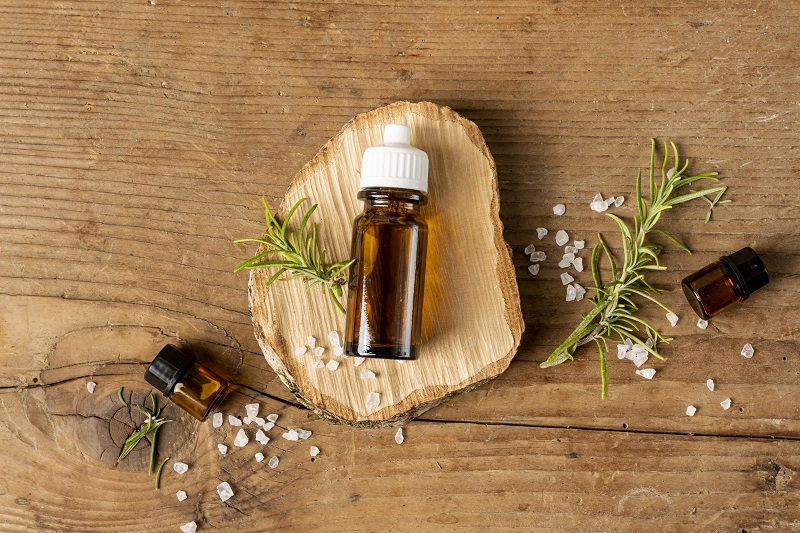
Essential oils have become increasingly popular for their potential to enhance skin health and address various skin concerns. When used correctly, they can be a natural addition to your skincare routine, offering benefits such as hydration, soothing irritation, and even improving the appearance of your skin. However, it is crucial to understand which oils are suitable for skin application, how to use them safely, and the precautions necessary to avoid adverse reactions.
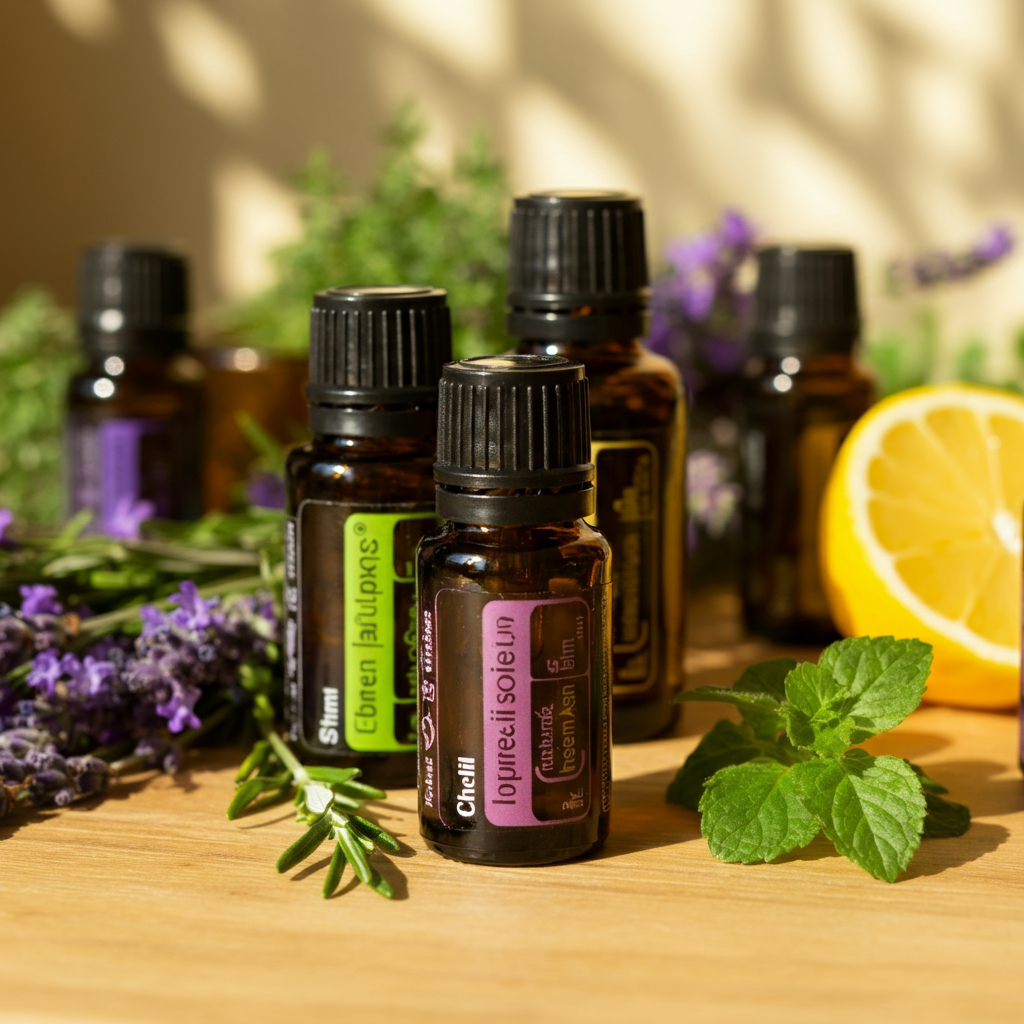
One of the most well-known essential oils for skin is lavender oil. Renowned for its calming and anti-inflammatory properties, lavender can help soothe irritated or sensitive skin, reduce redness, and promote healing of minor cuts and burns. Its gentle nature makes it suitable for most skin types, including sensitive skin. Tea tree oil is another popular choice, especially for those with oily or acne-prone skin. Its antimicrobial properties can help combat bacteria that contribute to breakouts, while its anti-inflammatory effects can reduce redness and swelling.
For dry or mature skin, oils like frankincense and rose are often recommended. Frankincense has been used for centuries to improve skin elasticity and reduce the appearance of fine lines and wrinkles. Rose oil, rich in antioxidants and vitamins, can help hydrate and rejuvenate dull or aging skin, leaving it looking more vibrant and refreshed. When incorporating these oils into your skincare routine, always dilute them with a carrier oil such as jojoba, almond, or coconut oil to minimize the risk of irritation and ensure safe application.
Safety is paramount when using essential oils on the skin. Before applying any oil broadly, perform a patch test by applying a small amount of diluted oil to a discreet area, such as behind the ear or on the inner wrist. Wait 24 hours to check for any adverse reactions like redness, itching, or swelling. It is also important to remember that pure essential oils are highly concentrated and should never be applied directly to the skin without proper dilution.
Additionally, pregnant women, individuals with sensitive skin, or those with specific health conditions should consult with a healthcare professional or a certified aromatherapist before incorporating essential oils into their skincare routine. Some oils, such as clary sage or rosemary, may not be suitable during pregnancy or for certain skin conditions. Proper storage of essential oils in a cool, dark place is also essential to maintain their potency and prevent spoilage.