When a fire breaks out, the immediate concern is often the spread of flames. However, studies show that smoke inhalation is the leading cause of fatalities during fires, far exceeding the danger posed by the flames themselves. Thick smoke not only reduces visibility but also carries toxic gases that can incapacitate people within minutes. This is where smoke extraction systems come into play. These systems are designed to remove smoke and hot gases, making evacuation safer and supporting firefighters in controlling the situation effectively.
The Purpose of Smoke Extraction Systems
The primary function of a smoke extraction system is to protect life and property during fire emergencies. It achieves this by:
- Preventing smoke from spreading uncontrollably throughout the building.
- Maintaining clear escape routes such as stairwells, corridors, and emergency exits.
- Providing firefighters with better visibility and safer access to the fire’s source.
- Reducing the temperature inside the building, which slows down the spread of fire and structural damage.
In essence, these systems act as the lungs of a building during a fire, expelling harmful gases and allowing breathable air to remain in escape areas.
Activation During Emergencies
Smoke extraction systems are engineered to respond swiftly. Once a fire alarm is triggered—either manually or through automatic smoke and heat detectors—the system activates instantly. Depending on the design of the building, this activation can include:
- Opening roof vents or windows.
- Engaging high-powered fans.
- Releasing smoke dampers to guide smoke toward exhaust routes.
This automatic process ensures that smoke does not accumulate in high-risk areas, buying precious minutes for occupants to evacuate safely. Firefighters can also manually control these systems if needed to adapt to the changing dynamics of the fire.
Key Components Working Together
A smoke extraction system is a combination of several components that work in perfect synchronisation:
Smoke Detectors
These are the system’s first line of defence. Sensitive to both heat and particles, detectors send signals to the control panel to activate the system without delay.
Fans and Exhaust Units
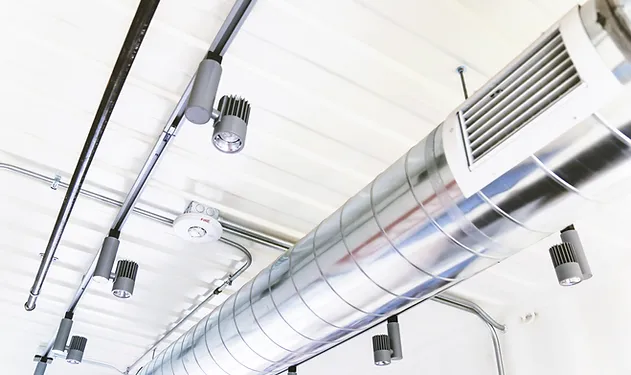
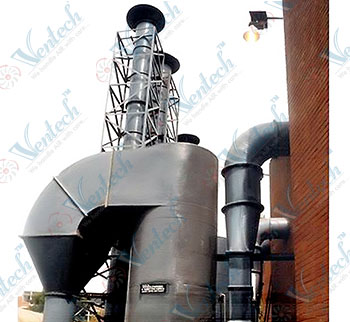
High-capacity fans draw out smoke and replace it with fresh air. These are especially important in large commercial or industrial spaces where natural ventilation alone is insufficient.
Smoke Dampers and Vents
Located strategically throughout the building, dampers and vents channel smoke toward exhaust points. They also prevent smoke from seeping into areas meant to remain clear for evacuation.
Control Panels
The control panel is the brain of the system, coordinating the operation of all components. It ensures automatic activation but also allows manual intervention by fire authorities.
Together, these components create a controlled airflow pattern, guiding smoke upward and outward, away from people and escape paths.
Role in Evacuation Safety
In a fire emergency, panic can escalate quickly if people are unable to see or breathe properly. Smoke extraction systems directly counter this by keeping escape routes clear of dense smoke. This makes it easier for occupants to locate exits and evacuate without confusion or delay. In multi-storey buildings, pressurised stairwells are often integrated into the smoke control system, ensuring that smoke does not infiltrate these crucial escape routes.
Support for Firefighting Operations
Firefighters rely heavily on visibility and access to contain a fire. A building filled with thick smoke slows their progress, increases risk, and complicates rescue missions. With smoke extraction systems in place, firefighters can move quickly, locate trapped individuals, and focus on extinguishing the fire rather than battling against hazardous conditions. By reducing temperature levels and improving visibility, these systems directly aid in faster fire suppression and reduced property loss.
Importance of Maintenance and Compliance
For smoke extraction systems to function effectively, regular inspection and maintenance are essential. Systems must comply with fire safety regulations and building codes, which often vary by region. Routine cheques ensure that fans, dampers, sensors, and control systems remain in optimal condition. A neglected system can fail during an emergency, rendering escape routes hazardous and putting lives at risk.
Conclusion
Smoke extraction systems are more than just an added safety feature—they are a critical life-saving mechanism in modern buildings. By rapidly clearing smoke, protecting evacuation paths, and supporting firefighting efforts, they play an indispensable role in emergency situations. With proper design, installation, and maintenance, these systems ensure that buildings are equipped to handle one of the most dangerous aspects of fire: smoke. Ultimately, their presence can mean the difference between chaos and safe evacuation, making them a cornerstone of fire safety infrastructure.