





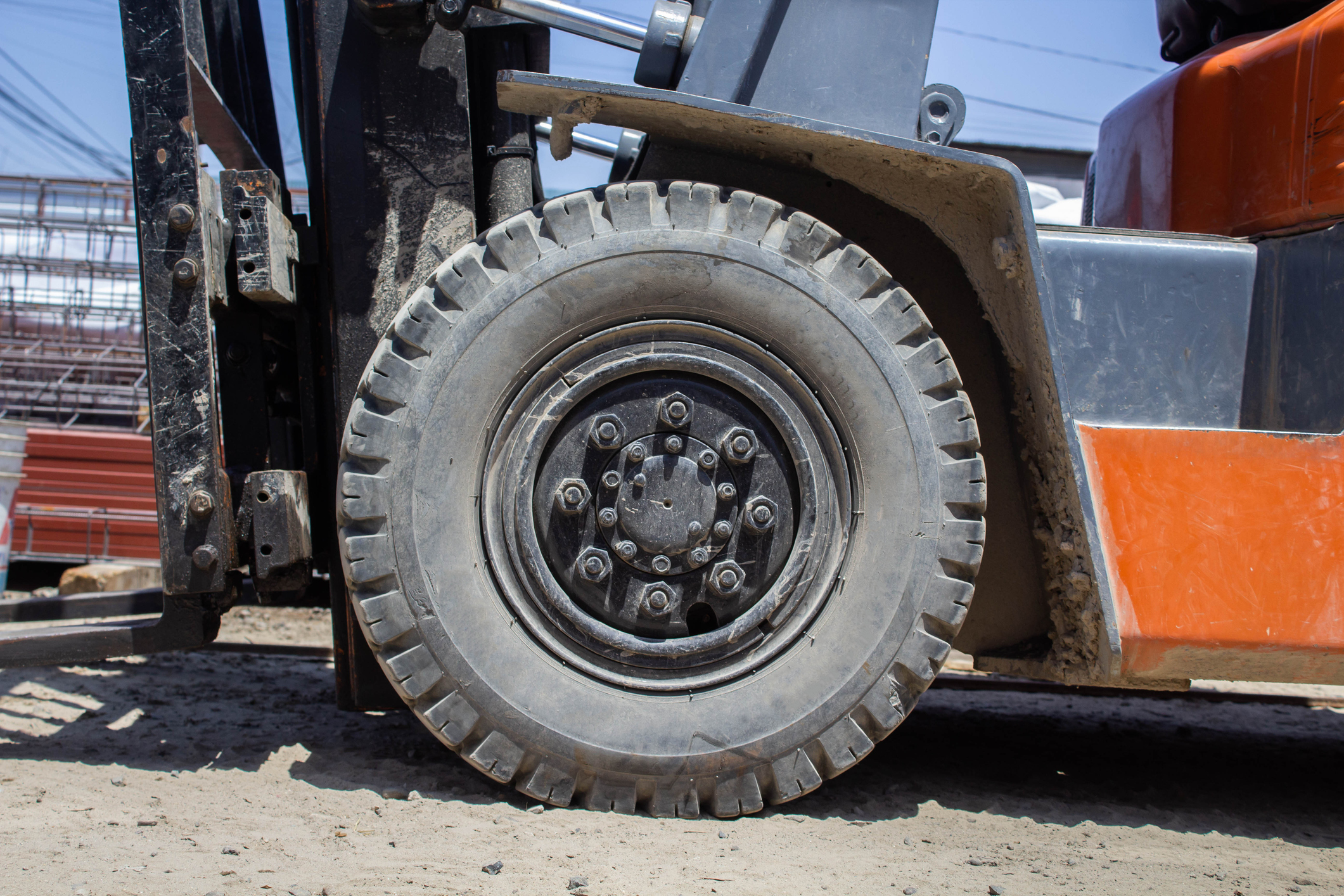
Choosing the right tyres for your skid steer is crucial. It impacts performance, efficiency, and cost. Solid skid steer tyres and pneumatic tyres are the main options. There are special advantages and disadvantages to each.
Solid tyres are durable and puncture resistant. They thrive in hostile conditions. Pneumatic tyres provide a smoother ride and are better on uneven surfaces. They are ideal for softer terrains.
This article will help you decide which tyre type suits your needs. We'll compare features, costs, and performance.
Understanding Skid Steer Tyre Types
Different skid steer tyre types serve various purposes. The decision influences the efficiency and the lifespan of your machine. Knowing the differences helps in making an informed decision.
There are two primary types of skid steer tyres: solid and pneumatic. They each cater to different operational environments and needs. It is important to understand their features.
Solid tyres are made from solid rubber, while pneumatic tyres are air-filled. Here's a brief look at their key traits:
- Solid Tyres: Puncture-resistant, suited for rough terrain, longer life.
- Pneumatic Tyres: Softer ride, excellent traction on uneven ground, can be more versatile.
The choice of the type will depend on your applications and environments.
Solid Skid Steer Tyres: Features and Benefits
Solid skid steer tyres offer robust construction. They are made of solid rubber, thus making them durable. These tyres are good in tough working conditions.
One of the advantages is that they cannot be punctured easily. This aspect makes them suitable in debris and sharp objects areas. Downtime as a result of flats is reduced greatly.
Solid tyres are able to take heavy loads. There is no danger of deflation, which enhances efficiency and peace of mind. You can count on them to do hard work.
Other benefits are low maintenance requirements and easily predictable handling.
Key benefits are:
- Puncture Resistance: Suitable for challenging work sites.
- High Load Handling: No deflation issues.
- Low Maintenance: Longer replacement intervals, less frequent checks.
These characteristics make solid tyres a worthy investment. They are particularly beneficial in industrial and demolition settings. The longevity and reliability they offer are unmatched.
Pneumatic Skid Steer Tyres: Features and Benefits
Pneumatic skid steer tyres are filled with air, which provides a smooth ride. This is useful in applications where comfort of the operator is paramount. They also have high traction on soft and uneven surfaces.
These tyres offer superior shock absorption. This quality makes them beneficial for landscaping and agricultural tasks. The added cushioning reduces equipment wear and tear.
The other benefit is the fact that they are light in weight as opposed to solid tyres. This has the ability to improve maneuverability and ease of use in specific situations. They are often cheaper to purchase and are therefore a good choice to those who are on a tight budget.
Key points of pneumatic tyres include:
- Smooth Ride: Enhanced operator comfort.
- Versatile Traction: Performs well on varied terrain.
- Cost-Effective Start: Lower initial investment.
Overall, pneumatic skid steer tyres provide adaptability and comfort. They suit applications that require frequent movement across mixed terrain. They are versatile and hence popular with many operators.
Skid Steer Tyre Durability and Maintenance
One of the main considerations when selecting skid steer tyres is durability. Solid skid steer tyres excel in this area, offering a longer lifespan due to their robust construction. They are particularly resistant to punctures and tears.
In contrast, pneumatic skid steer tyres require more frequent maintenance. The air pressure should be checked and adjusted regularly to maintain the optimum performance. They can also develop repair costs over time.
Proper maintenance significantly impacts tyre durability. A focus on upkeep can increase the life of any type of tyre. To get the maximum life out of tyres, consider the following maintenance practices:
- Regular Inspections: Check for cracks or wear.
- Correct Inflation: Maintain recommended pressure for pneumatics.
- Timely Repairs: Fix minor damages to prevent escalation.
The right choice is one that is durable and easy to maintain. Solid or pneumatic, knowledge of these factors will be useful in decision-making.
Performance Comparison: Solid vs. Pneumatic Tyres
Skid steer tyres are a major factor in overall efficiency. Solid skid steer tyres offer stability on rugged terrain, ensuring safety during demanding tasks. They can carry loads that are heavy without the fear of deflation.
On the other hand, pneumatic skid steer tyres provide a smoother ride. They perform best on more uneven and softer surfaces and are therefore ideal for landscaping work. Their shock absorption ability increases the comfort of the operators during long shifts.
It is important to evaluate the particular needs of your project. Each tyre type has distinct advantages tailored to different conditions. Here's a quick summary:
- Solid Tyres: Stability and load capacity.
- Pneumatic Tyres: Comfort and terrain adaptability.
The decision on whether to use solid or pneumatic tyres may have a great impact on your productivity. Take into consideration the task requirements and environmental conditions. The right tyre will maximise performance and operational efficiency.
Cost Analysis: Upfront and Long-Term Considerations
When evaluating costs, initial pricing and longevity should be considered. Solid skid steer tyres usually come with a higher initial price tag. Their longevity however, can be translated into fewer replacements in the long run.
Conversely, pneumatic skid steer tyres tend to be less expensive upfront. Yet, maintenance costs and possible repairs may increase the overall costs. Frequent pressure checks are necessary, impacting time and resources.
Here's a brief cost breakdown:
- Solid Tyres: Higher initial cost, less maintenance.
- Pneumatic Tyres: Lower initial cost, potential higher maintenance costs.
The process of choosing the right tyre involves the consideration of upfront costs and the projected long-term costs. Make sure that the selection is in line with your budget and operational requirements.
When to Choose Skid Steer Tracks Instead
Skid steer tracks offer an alternative to traditional tyres. They excel in specific conditions where tyres might struggle. Tracks provide superior traction on muddy or sandy terrains. They distribute the machine's weight evenly, reducing ground pressure.
Consider using skid steer tracks in these scenarios:
- Wet Conditions: More traction is essential.
- Soft Terrains: Essential for sandy or muddy areas.
- Weight Distribution: Important on sensitive surfaces.
Track selection can improve performance and wear in difficult conditions. Their design has advantages that are not available with tyres alone.
Making the Right Choice for Your Application
The choice of the type of tyres to use is dependent on the nature of your work and requirements. Consider the terrain, load requirements and budget. The settings require different solutions.
Key considerations include:
- Type of Terrain: Rough or smooth surfaces?
- Load Capacity: Heavy loads or standard?
- Maintenance Needs: Minimal or frequent checks?
Assess these elements to determine whether solid skid steer tyres or pneumatic options suit your operations best. Your decision can have a great impact on efficiency and costs.
Conclusion
Choosing between solid skid steer tyres and pneumatic skid steer tyres requires careful consideration of various factors. The two types of tyres have their own advantages depending on the environment and application. Solid tyres are better in terms of durability and ability to handle debris-filled terrains, which minimises downtime. On the one hand, pneumatic tyres are better on rough and soft surfaces, as they have better traction and give a smoother ride.
The final choice must be based on the unique requirements of your operations. Compare the total cost of ownership, maintenance and efficiency of operation. By doing so, you will be assured of a tyre solution that will boost productivity and support your bottom line.
For more information, visit our website Mandarin Imports Exports.


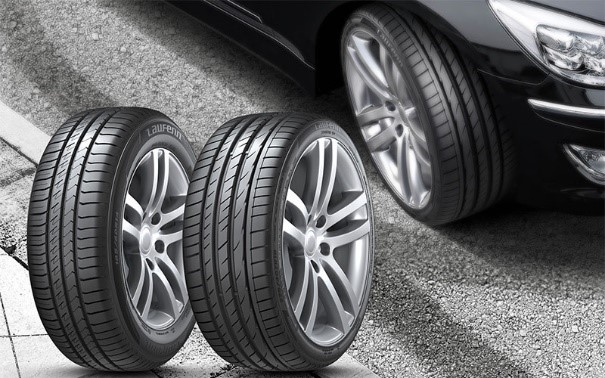
Geoffs Tyres Ltd is one of the oldest facilities to offer full-scale vehicle repairs, Tyres Cirencester and replacements.
Geoffs Tyres Ltd believes in nothing but the best for our customers, We offer the best Continental Tyres, Dunlop Tyres and Michelin Tyres.