





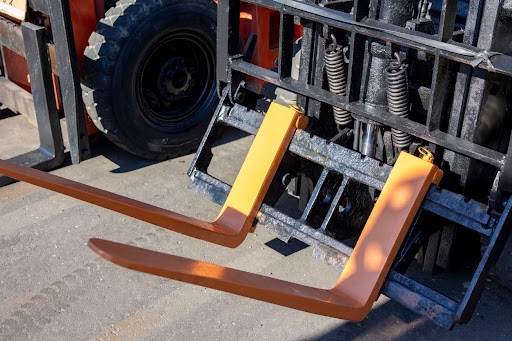
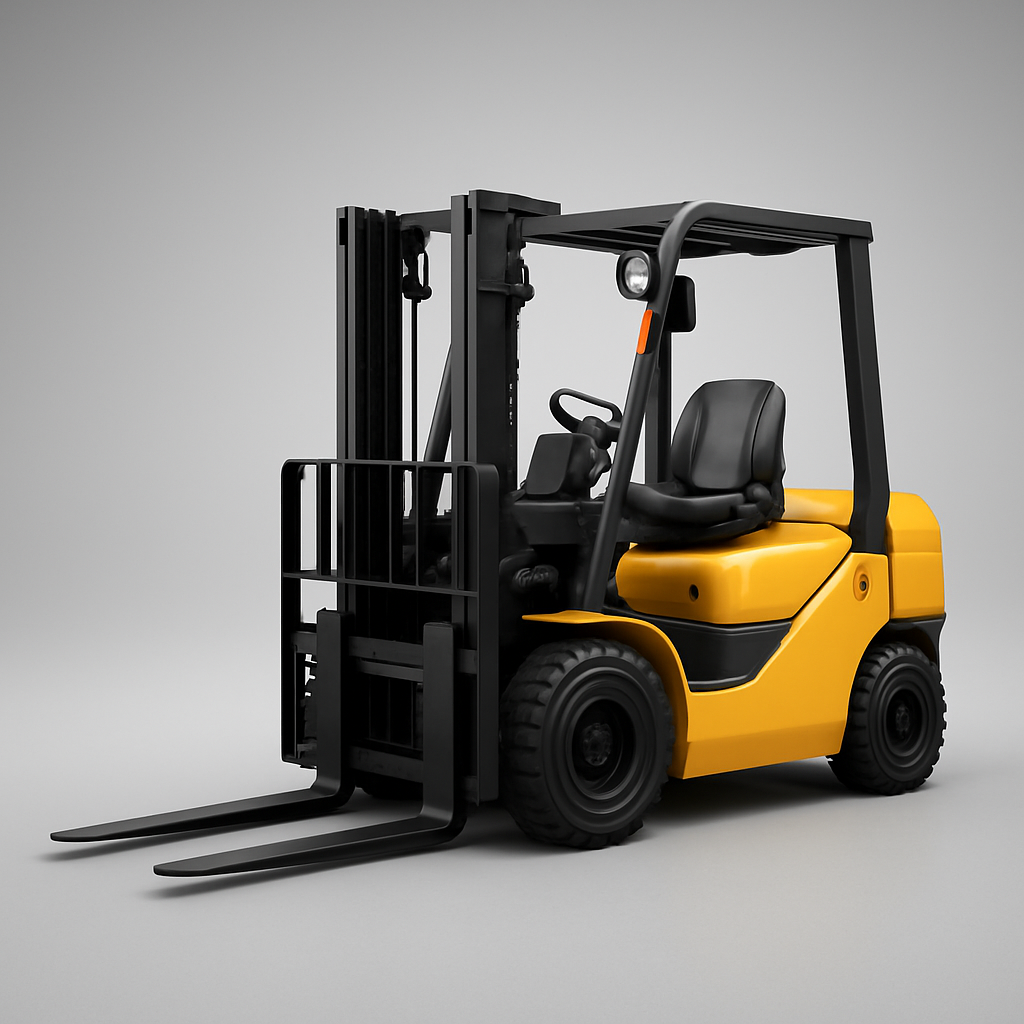
Forklifts are essential machines in various industries, from warehouses to construction sites. These are the most commonly used tines, suitable for general-purpose lifting tasks. They are straight and come in various lengths and widths to accommodate different load sizes.
Forklift Tines or Tynes: Is There a Difference?
The terms "tines" and "tynes" are often used interchangeably when referring to forklift forks. The difference is primarily regional, with "tines" being more commonly used in American English, while "tynes" is often used in British English and other variations. Regardless of the term, they refer to the same component., or forks, are a critical component of these machines, playing a pivotal role in lifting and transporting materials. This guide aims to provide a comprehensive understanding of forklift tines, their types, maintenance, and safety considerations.
What Are Forklift Tines?
Forklift tines, also known as forklift forks or tynes, are the two long, prong-like structures at the front of the forklift. They are designed to slide under loads, enabling the forklift to lift and transport them. Tines are typically made of high-strength steel to withstand heavy loads and resist wear and tear.
Types of Forklift Tines
Understanding the different types of forklift tines is crucial for choosing the right ones for your needs. Here are the most common types:
Choosing the Right Forklift Tines
Selecting the appropriate tines for your forklift is vital for efficient and safe operation. Consider the following factors:
Load Capacity
Ensure that the tines you choose can handle the weight of the loads you intend to lift. Overloading tines can lead to accidents and damage to both the forklift and the load.
Length and Width
The length and width of the tines should match the size of the loads you frequently handle. Tines that are too short or narrow may not provide adequate support, while excessively long or wide tines can be cumbersome and reduce maneuverability.
Material and Construction
Opt for tines made from high-strength steel to ensure durability and longevity. Check for any certifications or standards that the tines meet, indicating their quality and reliability.
Maintaining Forklift Tines
Regular maintenance of forklift tines is essential to ensure their performance and safety. Here are some maintenance tips:
Regular Inspection
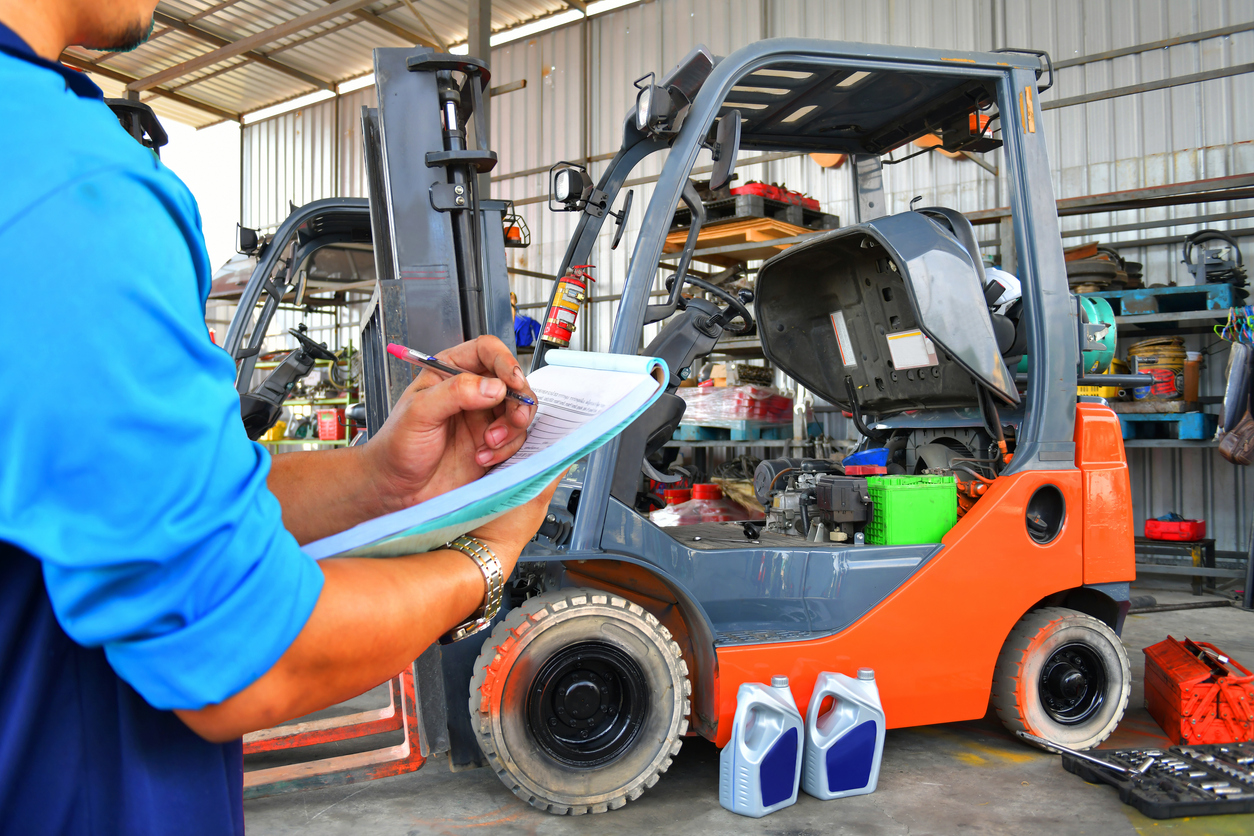
Conduct routine inspections of the tines to check for wear, cracks, or damage. Inspect the mounting points and locking mechanisms to ensure they are secure and functioning correctly.
Cleaning
Keep the tines clean and free of debris to prevent corrosion and ensure smooth operation. Use appropriate cleaning agents that do not harm the steel.
Alignment Check
Ensure the tines are aligned correctly and parallel to each other. Misalignment can cause uneven load distribution and increase the risk of tipping.
Replacement
Replace tines that are damaged or worn beyond repair. Follow the manufacturer's guidelines for replacement intervals and procedures.
Safety Considerations
Safety is paramount when operating forklifts. Proper use of tines is essential to prevent accidents and injuries. Here are some safety tips:
Load Stability
Ensure loads are stable and balanced on the tines before lifting. Use appropriate load securing methods, such as straps or chains, if necessary.
Proper Lifting Techniques
Use the forklift's controls to lift and lower loads smoothly. Sudden movements can destabilise the load and lead to accidents.
Operator Training
Ensure forklift operators are trained and certified to handle the equipment safely. They should be familiar with the specific controls and features of the forklift they are using.
Load Capacity Awareness
Always be aware of the forklift's load capacity and avoid exceeding it. Overloading can cause the forklift to tip over, leading to severe accidents.
Conclusion
Forklift tines are an integral part of any forklift, and understanding their types, maintenance, and safety is crucial for efficient and safe operations. By choosing the right tines and maintaining them properly, you can enhance your forklift's performance and extend its lifespan. Remember, safety should always be a top priority when operating forklifts, ensuring a secure work environment for everyone involved.
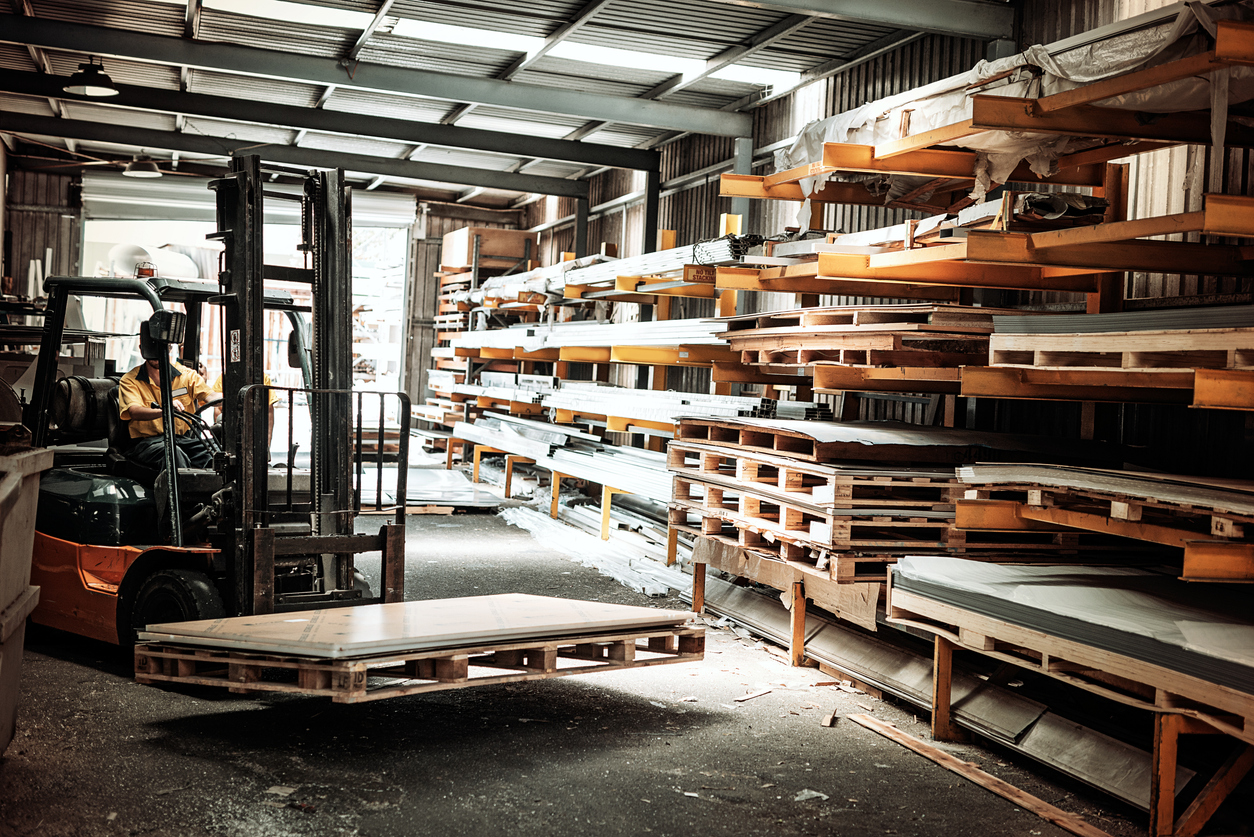
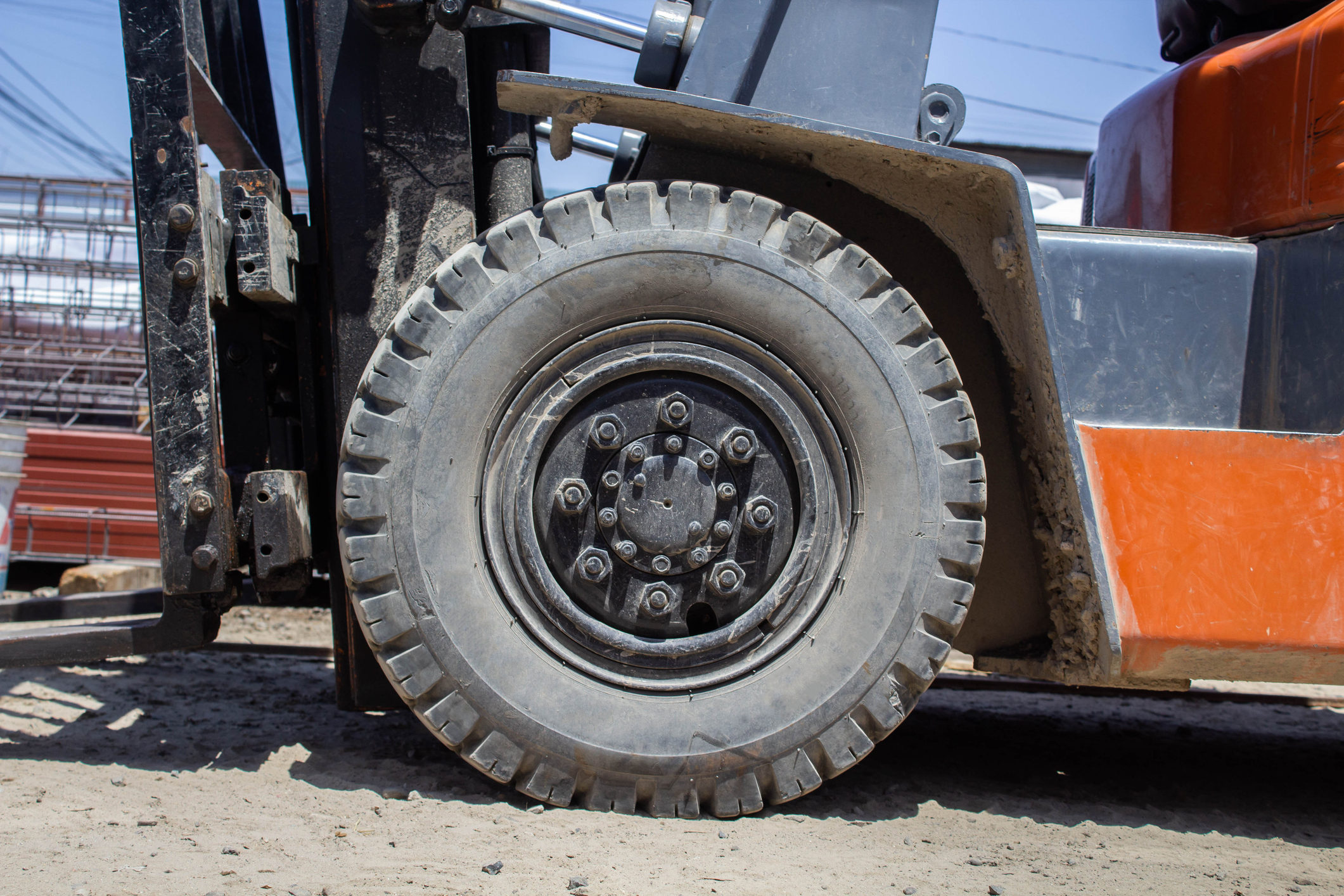
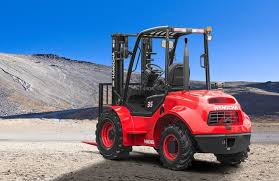
Hangcha Forklift is the world's top 8 brand and major enterprise in the forklift manufacturing industry in China with over 60 years’ experience that offers forklift for sale Dandenong.
forklift salesWe are all constructed out of our self dialogue.
Team / Clients / Contact Overview AG Equipment Pte Ltd (AG) is establish in 2009 and have grown over the years leasing industrial machinery; comprising mainly Mobile Elevated Work Platforms (MEWP), forklift and other industrial machinery.
AG is a solutions provider for customer across various industries...http://angequipment.com.sg