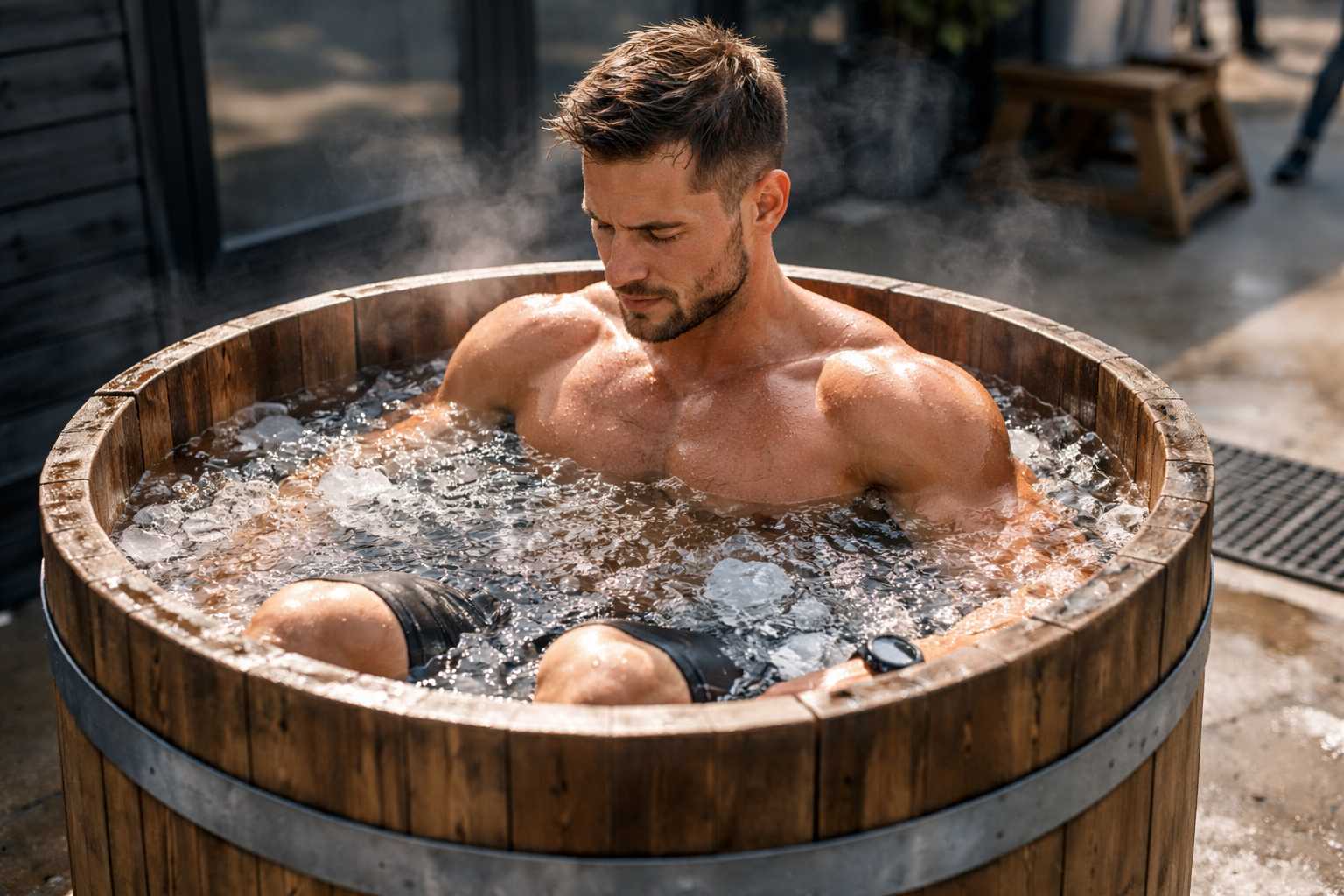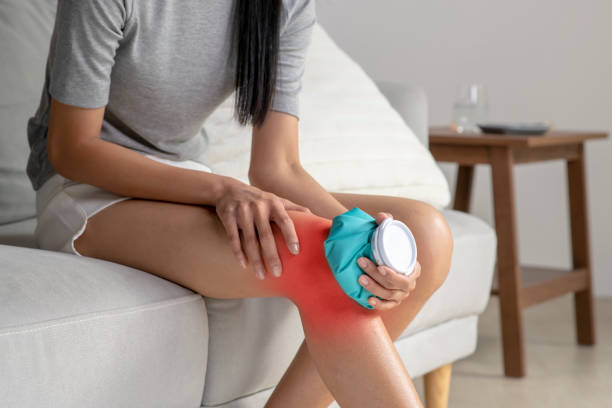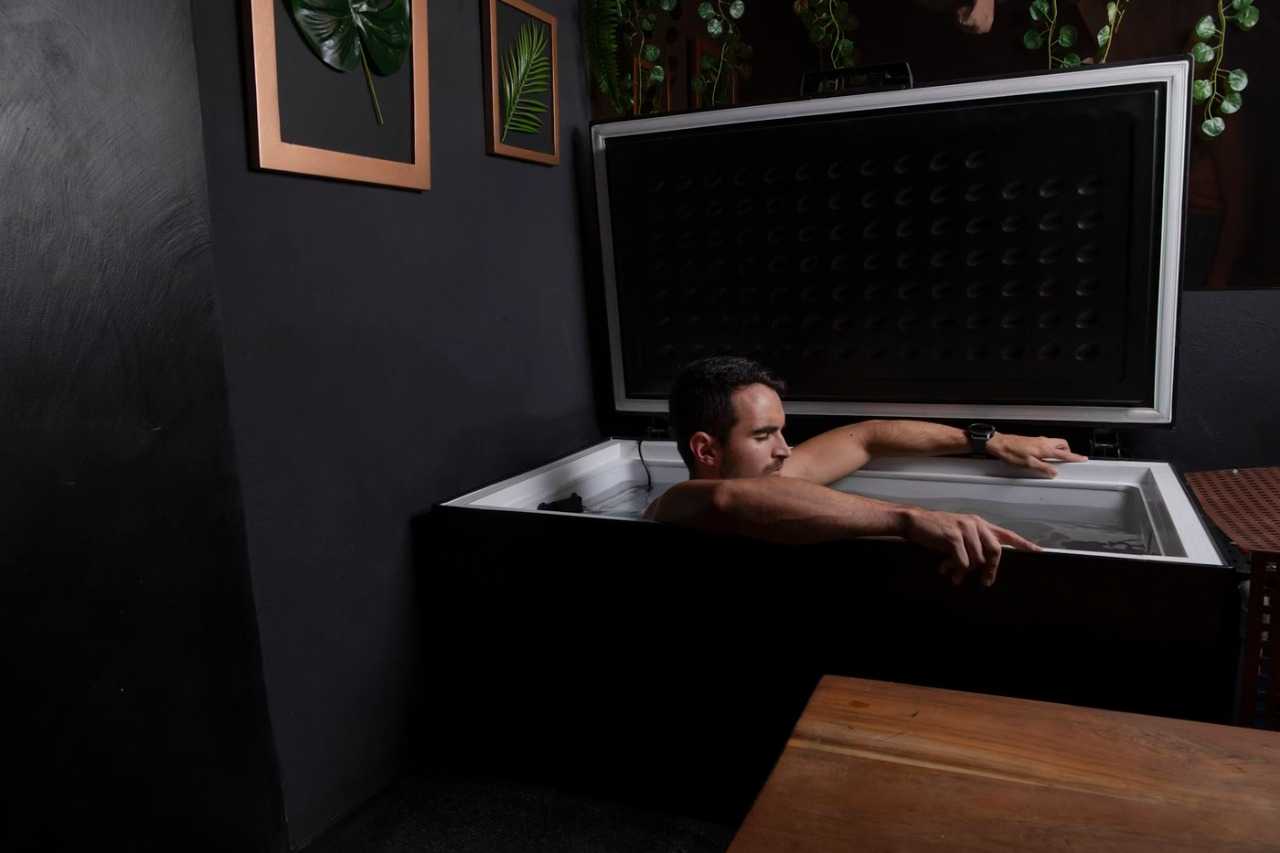
Ice bath therapy, also known as cold water immersion, has gained popularity among athletes, wellness enthusiasts, and even those looking for stress relief. The practice involves immersing the body in ice-cold water for a short period, usually between 5 to 15 minutes. While the concept may sound daunting, many people find it rejuvenating, offering benefits such as reduced muscle soreness, improved circulation, and enhanced mental resilience. If you’re new to ice bath therapy, starting with the right knowledge and preparation is key.
Why Try Ice Bath Therapy?
The shock of cold water triggers a physiological response in your body. Blood vessels constrict, inflammation decreases, and endorphins are released, leaving you with a sense of mental clarity and physical refreshment. Athletes often use ice baths for quicker recovery after intense workouts, but everyday individuals also use them to boost energy, strengthen immunity, and manage stress.
Safety Tips for Beginners
- Start Slow: If you’re new, don’t jump straight into a 10-minute plunge. Begin with short immersions of 2–3 minutes and gradually build your tolerance. You can even start with cold showers to get your body accustomed to the sensation.
- Monitor the Water Temperature: The ideal temperature for beginners is between 50–59°F (10–15°C). Anything colder may be too intense and potentially unsafe for first-timers. Always use a thermometer to track the temperature instead of guessing.
- Don’t Go Alone: If it’s your first time, have someone nearby who can assist you in case you feel lightheaded, dizzy, or overly uncomfortable. Safety should always come first.
- Control Your Breathing: Cold water often triggers rapid, shallow breathing. Practice slow, deep breaths to help calm your nervous system and extend your tolerance. Many practitioners use guided breathing techniques to remain relaxed in the ice.
- Limit Your Time: Avoid staying in the ice bath longer than 10–15 minutes, especially in the beginning. Overexposure to cold can cause numbness, hypothermia, or fainting. A shorter, consistent routine is more beneficial than pushing your limits.
- Warm Up Gradually: Once you step out of the ice bath, warm up slowly. Wrap yourself in a towel, drink a hot beverage, and allow your body temperature to rise naturally. Avoid jumping straight into a hot shower, as the sudden change in temperature can stress your system.
- Know Your Health Condition: If you have pre-existing medical conditions such as heart issues, respiratory problems, or high blood pressure, consult your doctor before starting ice bath therapy. Cold immersion puts stress on the cardiovascular system, so professional guidance is essential.
Best Practices for a Better Experience
- Consistency Over Intensity: A few minutes several times a week is more effective than pushing too hard on a single session.
- Listen to Your Body: Some discomfort is normal, but sharp pain, dizziness, or numbness means it’s time to get out.
- Combine with Recovery Methods: Ice baths pair well with stretching, hydration, and proper rest for overall wellness.
- Create a Ritual: Many people find ice baths mentally grounding. Set the mood with calming music or mindfulness exercises to enhance the experience.
Conclusion
Ice bath therapy can be a powerful tool for recovery and mental resilience when practiced safely. By starting slow, staying mindful of your limits, and creating a comfortable environment, beginners can enjoy the benefits without unnecessary risks.
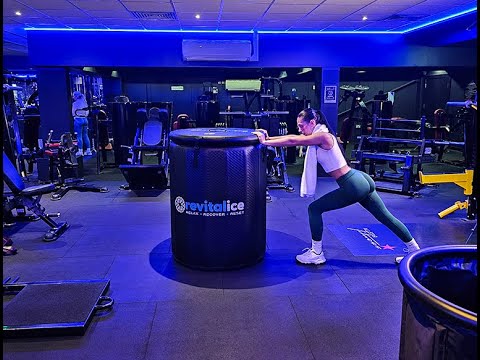
Experience ice bath therapy at home with the Revitalice Ice Bath Tub—a convenient and durable solution designed to bring professional-level recovery right to your doorstep.