


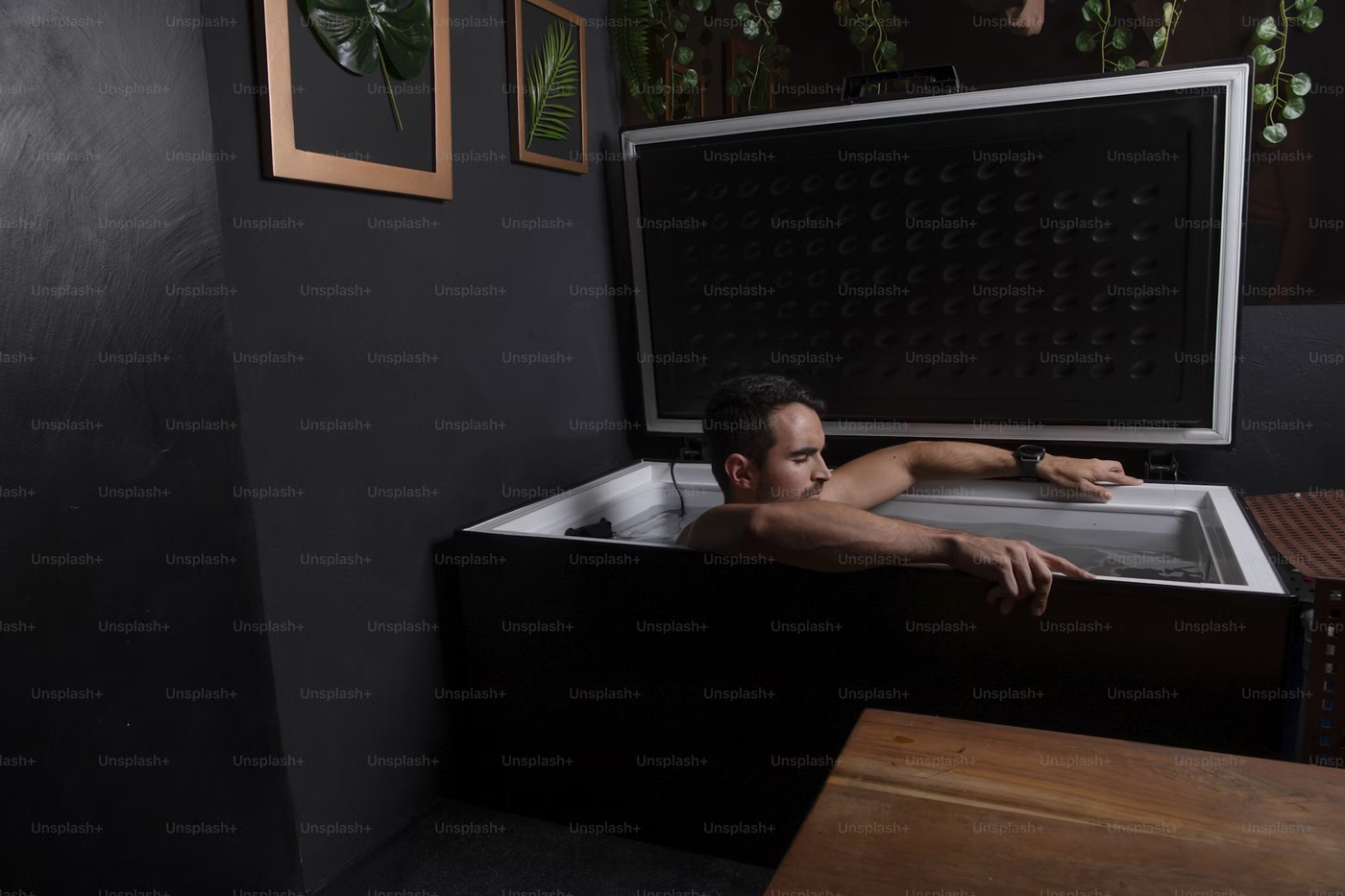
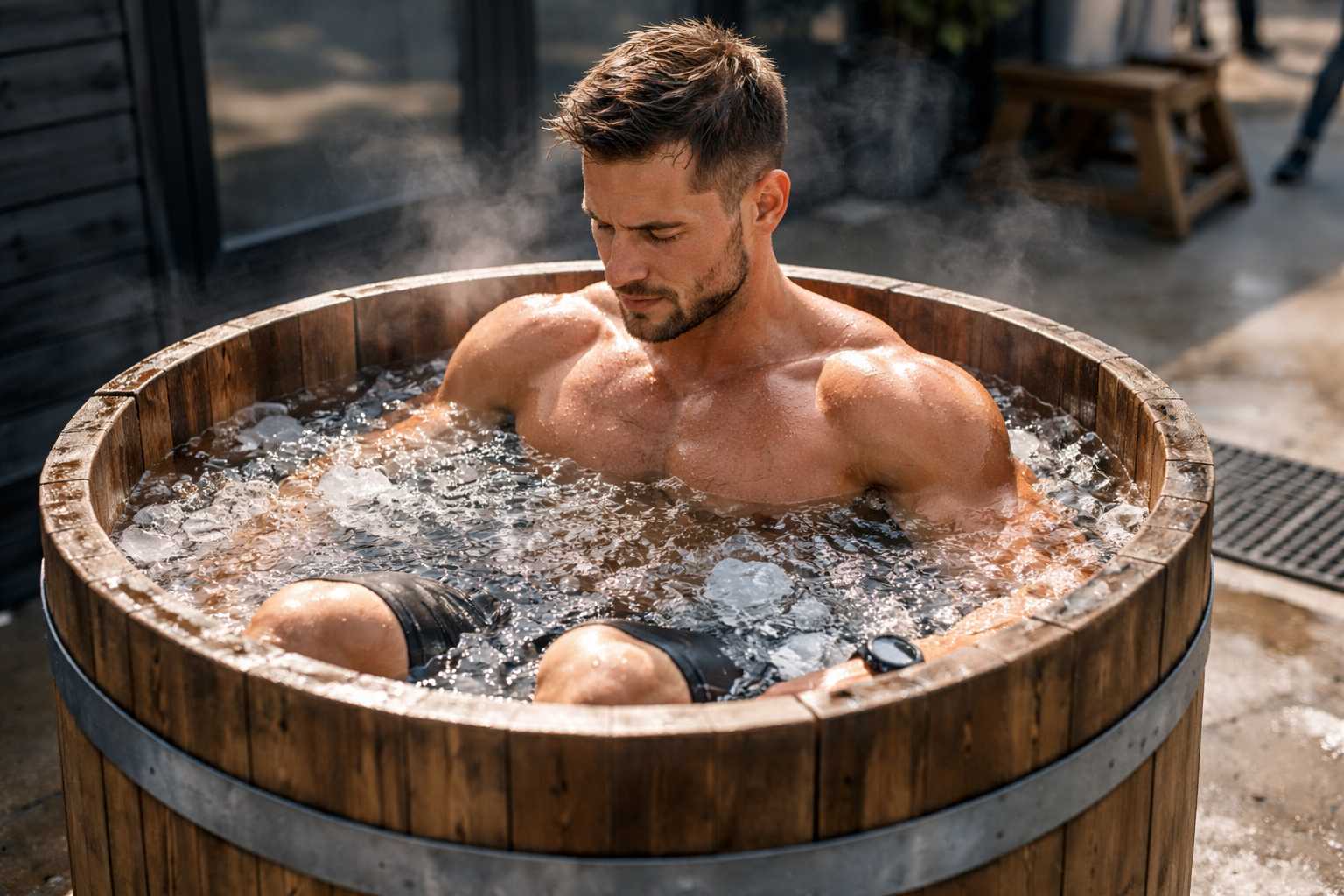
Ice baths, also known as cold water immersion (CWI), have become a staple in many athletes’ recovery routines. From elite professionals to weekend warriors, athletes swear by icy plunges to reduce soreness and speed recovery. But timing matters. Used incorrectly, ice baths can actually blunt performance gains. Used strategically, they can be a powerful tool. Here’s how to know when athletes should use ice baths for maximum benefit.
What Ice Baths Actually Do
Ice baths typically involve immersing the body in cold water (10–15°C / 50–59°F) for 5–15 minutes. The cold causes blood vessels to constrict, reducing swelling, inflammation, and perceived muscle soreness. Once you rewarm, blood flow increases, helping flush metabolic waste products.
The key point: ice baths reduce inflammation and pain—but inflammation is also part of the muscle-building process. That’s why timing is critical.
Best Time to Use Ice Baths: After High-Intensity Competition
Ice baths are most beneficial after competitions or events where performance matters more than adaptation. Examples include:
- Tournament weekends with multiple games or matches
- Back-to-back race days
- Playoff or championship scenarios
- Heavy travel schedules with limited recovery time
In these situations, the goal is to recover as quickly as possible so the athlete can perform again at a high level. Ice baths can reduce soreness, improve perceived readiness, and help athletes feel fresher for the next event—even if they slightly blunt long-term adaptations.
Useful After Extremely Demanding Training Blocks
Ice baths can also be helpful after exceptionally stressful training sessions, such as:
- Ultra-endurance events
- Very high-volume training days
- Training in extreme heat
- Sessions that cause excessive muscle damage
If soreness or fatigue would significantly interfere with upcoming training quality, ice baths may help restore function faster.
When Athletes Should Avoid Ice Baths
For athletes focused on strength, hypertrophy, or long-term performance gains, ice baths should be used sparingly—or avoided altogether—after regular training sessions.
Research shows that frequent cold water immersion after resistance training can reduce muscle growth and strength gains by dampening the inflammatory signals needed for adaptation. If your goal is to build muscle, get stronger, or improve power:
- Avoid ice baths within the first 4–6 hours after strength training
- Especially avoid them during long-term hypertrophy or off-season strength phases
Instead, allow natural recovery processes to occur.
Better Alternatives After Normal Training
On regular training days, athletes may benefit more from recovery methods that support adaptation rather than suppress it, such as:
- Active recovery (light cycling, walking, swimming)
- Proper nutrition and hydration
- Quality sleep
- Compression garments
- Mobility work
These methods promote circulation without interfering with muscle-building signals.
How Often Should Athletes Use Ice Baths?
Think of ice baths as a tool, not a habit. Occasional use around competitions or intense periods is ideal. Daily or routine use is rarely necessary and may be counterproductive for long-term development.
A practical guideline:
- In-season or competition-heavy phases: Use strategically
- Off-season or strength-building phases: Minimize or avoid
Conclusion
Ice baths are excellent for short-term recovery and performance readiness—but not for building muscle or strength. Athletes should use them when rapid recovery is essential, such as during competitions or intense training periods, and avoid them when long-term adaptation is the goal.
Used at the right time, ice baths can enhance performance. Used at the wrong time, they can slow progress. Smart athletes—and coaches—know the difference.
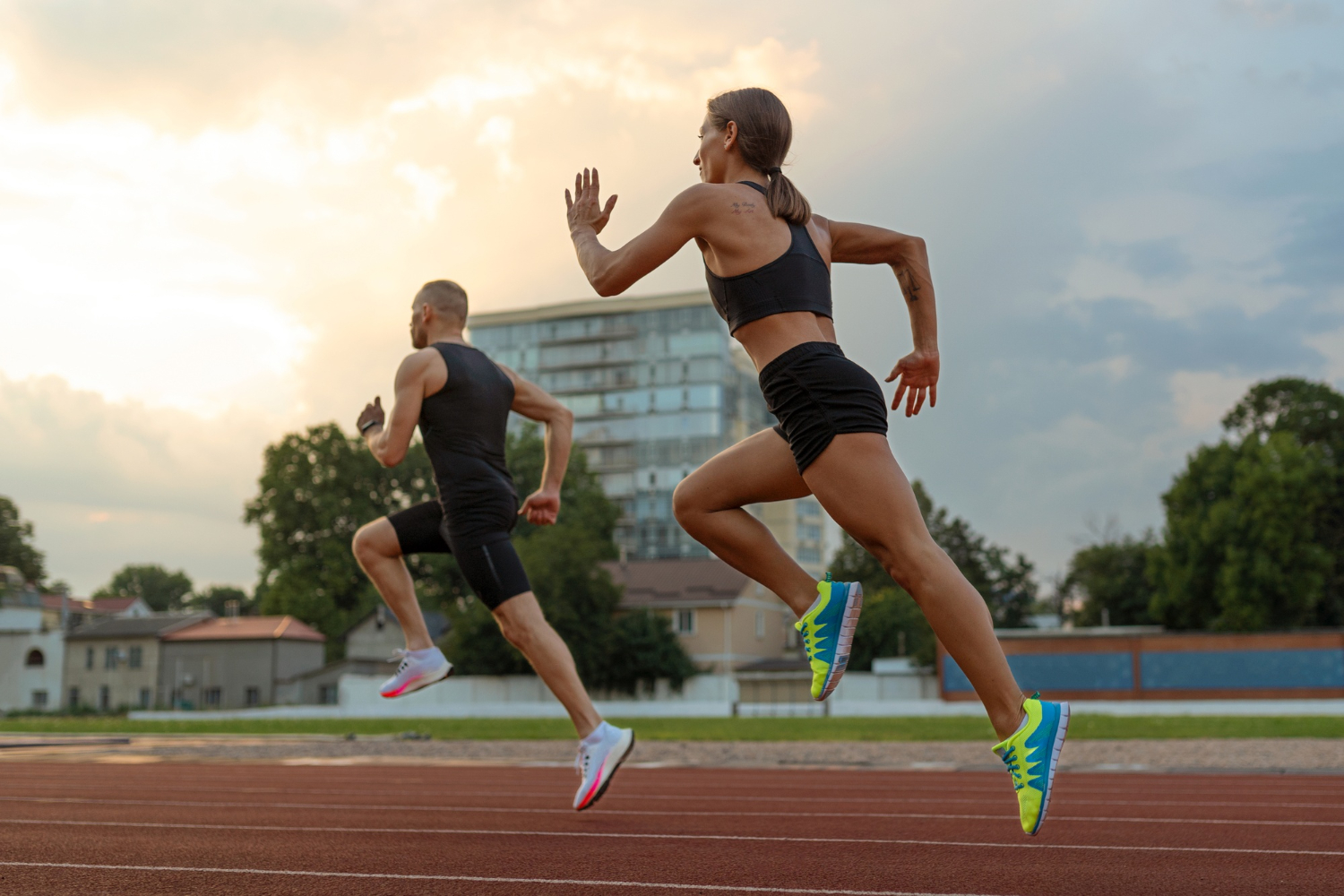

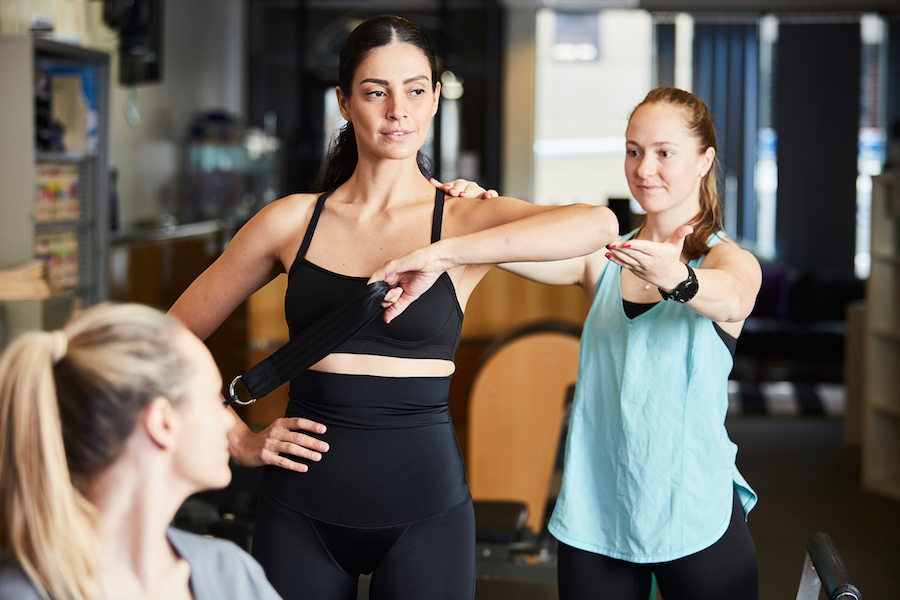
We live in a world where Hollywood celebrities apparently get their fabulous figures back in just a few weeks usually with the expert assistance of personal trainers and nutritionists-dieticians, as well as wearing the right compression clothing like the SRC Sports particularly the Women’s Active Shorts during exercise.
Such images can place undue pressure on ordinary women to achieve similar results.