


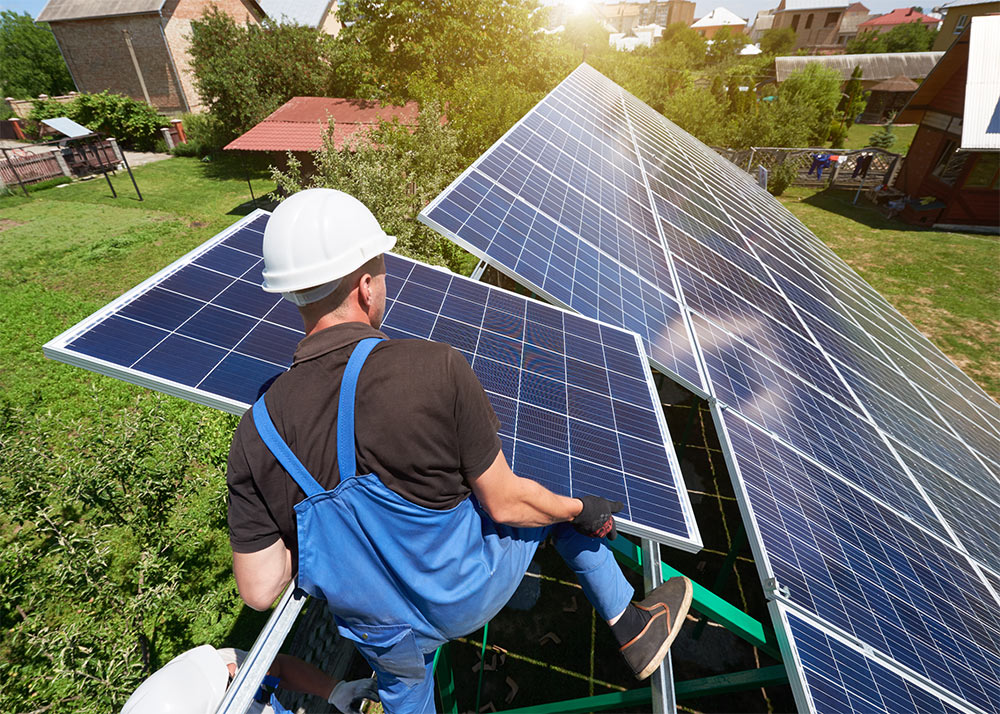
Solar panels have come a long way in recent years, with advancements in both the materials used and the technology within the panels—all of which have led to more efficient and longer-lasting systems. Two of these advancements are Passivated Emitter and Rear Cell (or PERC) technology, and monocrystalline (or just “mono”) cell structure. How do these 2 improvements impact your solar panels? Keep reading to find out more about both of them.
What Is PERC Technology?
As mentioned above, PERC stands for Passivated Emitter and Rear Cell—a real mouthful, but one that breaks down what PERC technology is quite well. Traditional solar cells allow some light to pass through without being captured to make electricity. PERC cells, however, have an added layer (known as the passivated layer) on the back of the cell that reflects light back into the silicon layer to capture more of it. This allows you to capture and convert more sunlight into electricity. Ultimately, PERC technology increases panel efficiency, especially in low-light conditions and on hot days.
Why Monocrystalline Structure Matters
Monocrystalline solar panels are made from a single, pure silicon crystal. (The other type of panel is called a polycrystalline panel, which has cells made from small fragments of silicon crystals that have been recombined.) The monocrystalline structure allows electrons to flow more easily, improving the panel’s ability to convert sunlight into usable electricity. And that means mono panels have higher efficiency ratings than poly panels. Additionally, mono panels are more space efficient, because you can get more power from each panel on your roof.
The Power of the Combination
When you combine PERC technology with a monocrystalline panel, what you get is an extremely high-performance solar panel that can maximize energy production in a wide range of conditions—and that’s exactly what you want from your panels. They convert more sunlight into electricity, but on top of that, they also perform better during early morning, late afternoon, and even cloudy weather.
This combination of technologies also allows your panels to maintain that higher efficiency rating over time. While all solar panels will degrade slowly, regardless of the type you get, PERC mono panels typically have slower degradation rates than their competitors, so they’ll produce more power over their lifespans. It’s just one more reason that a Mission Solar 395W PERC mono solar panel is a smart investment for both the present and the future.



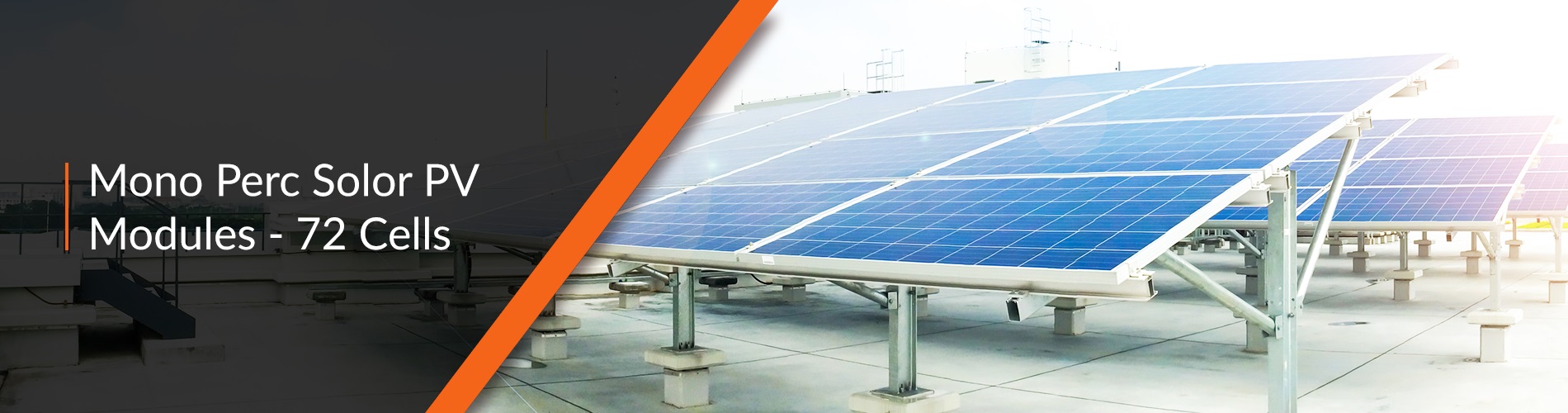
Mono perc solar panels:- The Jakson Group has proven expertise in the field of genset manufacturing, hybrid energy storage systems, defence solutions, solar rooftop systems, solar modules, solar led lights, and electrification services for rural, urban, building, metro rail etc.
If you are looking for affordable and clean energy solutions, visit: https://www.jakson.com/

Find detailed information of Solar Panel, Solar Modules, Solar Pv Modules, Monocrystalline Solar Module, Solar Power Panel Suppliers for your buy requirements.
Contact verified Solar Panel Manufacturers, Solar Panel wholesalers, Solar Panel exporters, retailers, traders in India.https://www.exportersindia.com/indian-suppliers/solar-panel.htm