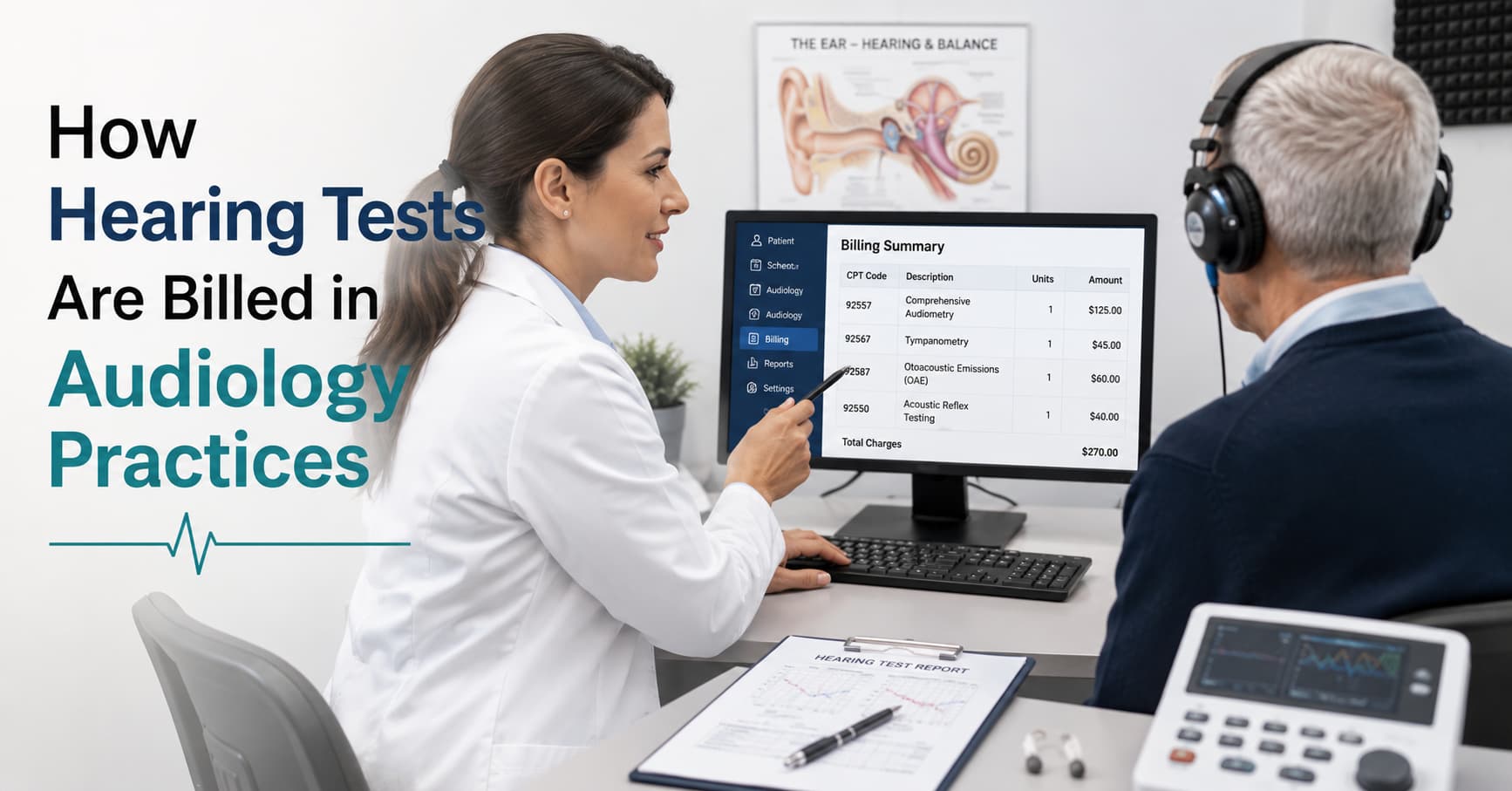



Navigating the world of healthcare reimbursement can be overwhelming, especially for audiology practices that face unique billing and compliance challenges. Accurate coding, timely claims submission, and compliance with payer regulations are all essential for financial stability. This is where Audiology Billing and Coding Services come into play, providing structured processes that ensure audiologists can focus on patient care while minimizing administrative burdens. When handled correctly, billing and coding not only reduce claim denials but also strengthen a practice’s compliance framework, ensuring smooth financial operations.
Why Compliance Matters in Audiology Billing
Audiology practices operate under strict regulations set forth by Medicare, Medicaid, and private payers. Compliance is not optional; it is a requirement that safeguards both providers and patients. Inaccurate coding or non-compliance can lead to audits, penalties, or loss of reimbursement. Given the complexity of hearing-related procedures, audiology billing requires detailed knowledge of Current Procedural Terminology (CPT) codes and compliance rules to avoid errors. Practices that prioritize compliance benefit from reduced risks, faster reimbursement cycles, and improved trust with payers.
The Link Between Compliance and Accuracy
Compliance and accuracy go hand in hand. Each claim submitted must reflect the services provided, supported by proper documentation. Audiology services often involve hearing evaluations, balance testing, and assistive device fittings, all of which require precise coding. An error as simple as an incorrect modifier can lead to delayed or denied claims. Therefore, implementing structured billing processes ensures that every service is accounted for, coded correctly, and billed within payer-specific guidelines.
Key Components of Effective Audiology Billing and Coding
To maintain compliance and maximize reimbursements, audiology practices should focus on several core elements.
Correct Use of CPT and ICD-10 Codes
Audiology billing requires a deep understanding of procedure codes and diagnosis codes. CPT codes represent the services provided, while ICD-10 codes support medical necessity. An accurate match between the two is critical. For example, billing for a diagnostic audiogram without the correct diagnosis code may result in claim denial. Training staff or outsourcing to specialists can ensure that coding aligns with payer requirements.
Documentation as the Backbone of Billing
Proper documentation not only supports compliance but also serves as a legal safeguard in case of audits. Audiologists must maintain detailed records of patient assessments, treatment plans, and outcomes. These documents provide the foundation for accurate coding and ensure that billed services are justified.
Timely Submission of Claims
Submitting claims within payer deadlines is essential to avoid rejections. Many practices face revenue delays due to late filing, which can also result in permanent denial of claims. Having a structured workflow for claim submission and follow-up is crucial to maintaining steady cash flow.
Staying Updated With Regulatory Changes
Healthcare billing regulations evolve frequently. Audiology practices must stay current with updates from the Centers for Medicare & Medicaid Services (CMS), payer guidelines, and industry coding changes. Failing to adapt to these changes can result in non-compliance and revenue loss.
Challenges in Audiology Billing and How to Overcome Them
Despite the importance of accurate billing, audiology practices often face challenges that impact revenue cycle management.
Common Challenges
High claim denial rates due to incorrect coding or documentation gaps
Frequent regulatory updates that require constant monitoring
Limited staff training on specialized audiology codes
Complex payer-specific rules for audiology services
Solutions to Address These Issues
Implementing regular staff training and coding audits
Leveraging billing software with compliance safeguards
Outsourcing to experienced billing partners with audiology expertise
Creating a system for denial management and resubmission
By addressing these challenges proactively, audiology practices can maintain compliance while improving financial outcomes.
The Role of Technology in Compliance
Technology has transformed billing and coding by automating repetitive tasks and reducing errors. Billing software now integrates features such as claim scrubbing, compliance alerts, and real-time reporting. For audiology practices, these tools ensure that each claim undergoes a compliance check before submission. Additionally, electronic health record (EHR) systems streamline documentation and coding, creating a direct link between clinical notes and billing.
Data Analytics for Better Decision-Making
Beyond automation, data analytics can help practices identify trends in denials, monitor staff performance, and track payer-specific issues. These insights guide better decision-making, allowing practices to strengthen compliance strategies and improve revenue cycle efficiency.
Compliance Beyond Audiology: Related Services
Compliance is not limited to audiology alone. Practices often need to integrate billing across multiple service lines, including therapies, diagnostics, and medical equipment. For example, managing Durable medical equipment billing requires similar levels of accuracy and compliance, especially since equipment such as hearing aids falls under specific regulatory categories. Understanding these parallels helps practices create a more comprehensive compliance strategy.
Why Partnering with Experts Matters
While some practices attempt to manage billing internally, the complexity of audiology coding and compliance makes outsourcing an attractive option. Specialized billing partners provide access to trained professionals who understand the unique requirements of audiology services. They also offer denial management, compliance monitoring, and reporting tools that internal staff may lack.
RCM Experts: A Trusted Partner
One such trusted name in the field is RCM Experts, known for their structured approach to healthcare billing. Their expertise in audiology and other medical specialties ensures compliance-driven billing processes that reduce risks and enhance reimbursements. Partnering with professionals allows audiologists to focus on patient outcomes without worrying about revenue cycle complications.
Building a Culture of Compliance in Audiology Practices
Compliance is not a one-time effort but an ongoing commitment. Building a compliance-focused culture involves training staff, updating policies regularly, and adopting technology that supports transparency. Every member of the practice, from front-office staff to audiologists, plays a role in maintaining compliance. Regular internal audits, performance monitoring, and feedback loops strengthen this culture, ensuring that compliance becomes second nature in daily operations.
Conclusion
In today’s healthcare environment, compliance in billing and coding is more critical than ever. For audiology practices, accurate billing safeguards financial stability while ensuring alignment with payer regulations. From correct coding to timely claims submission, every step of the process matters in maintaining compliance. Technology and specialized expertise further enhance these efforts, making billing more efficient and less error-prone. For practices seeking professional guidance, many reliable providers of Medical billing services in USA are available, offering solutions tailored to the needs of audiology practices. By prioritizing compliance and accuracy, audiologists can protect their revenue, reduce risks, and focus on delivering exceptional patient care.