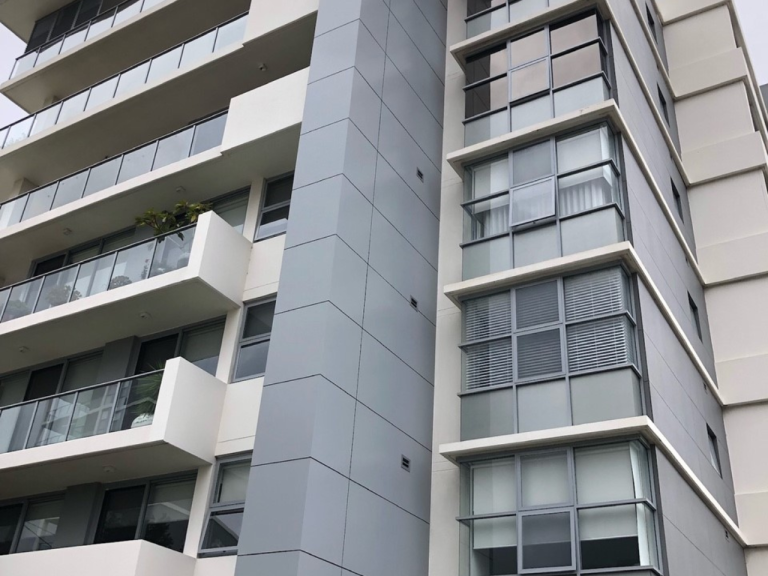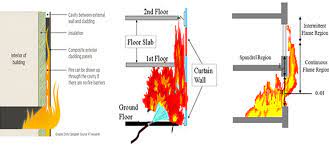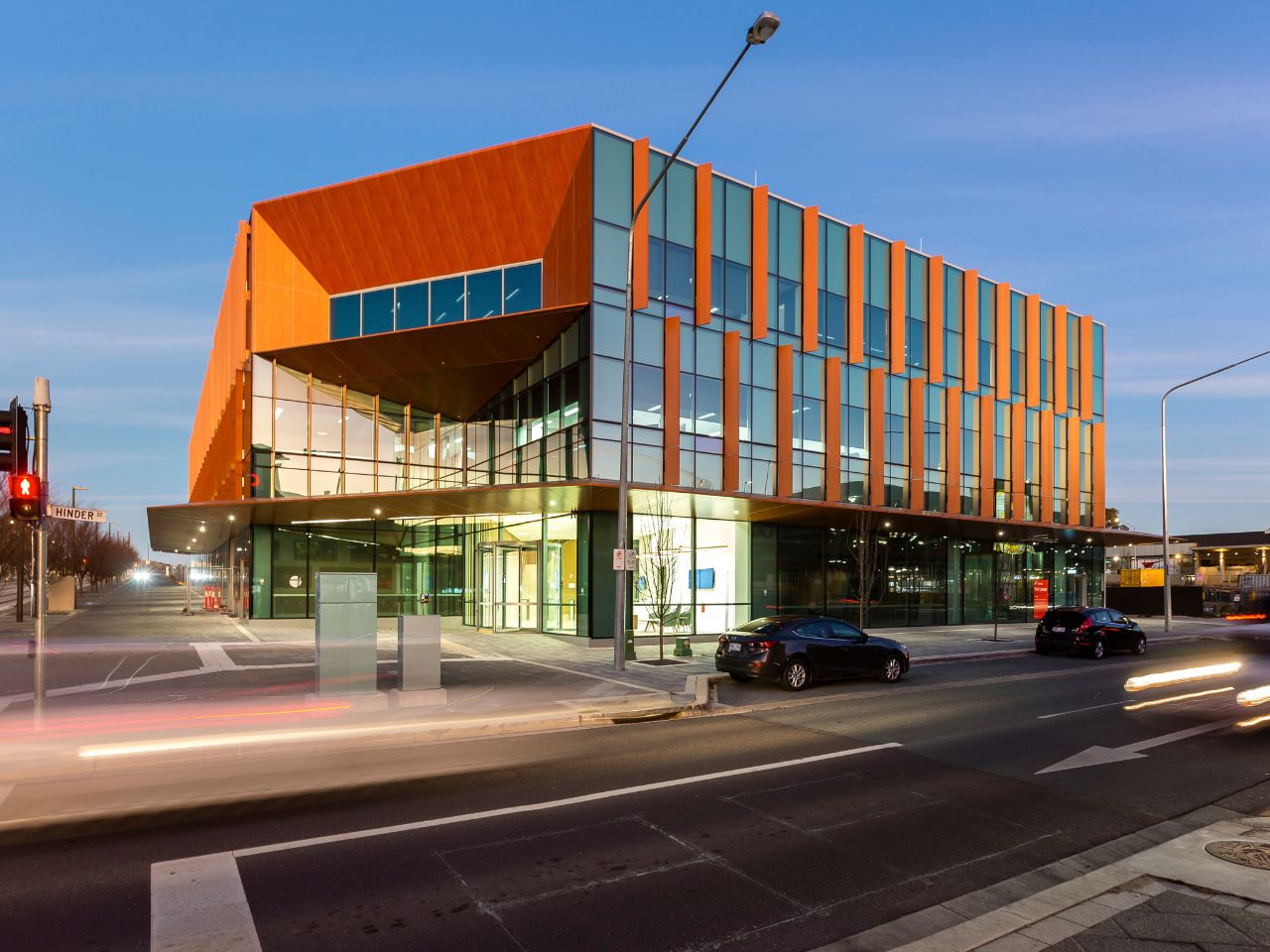


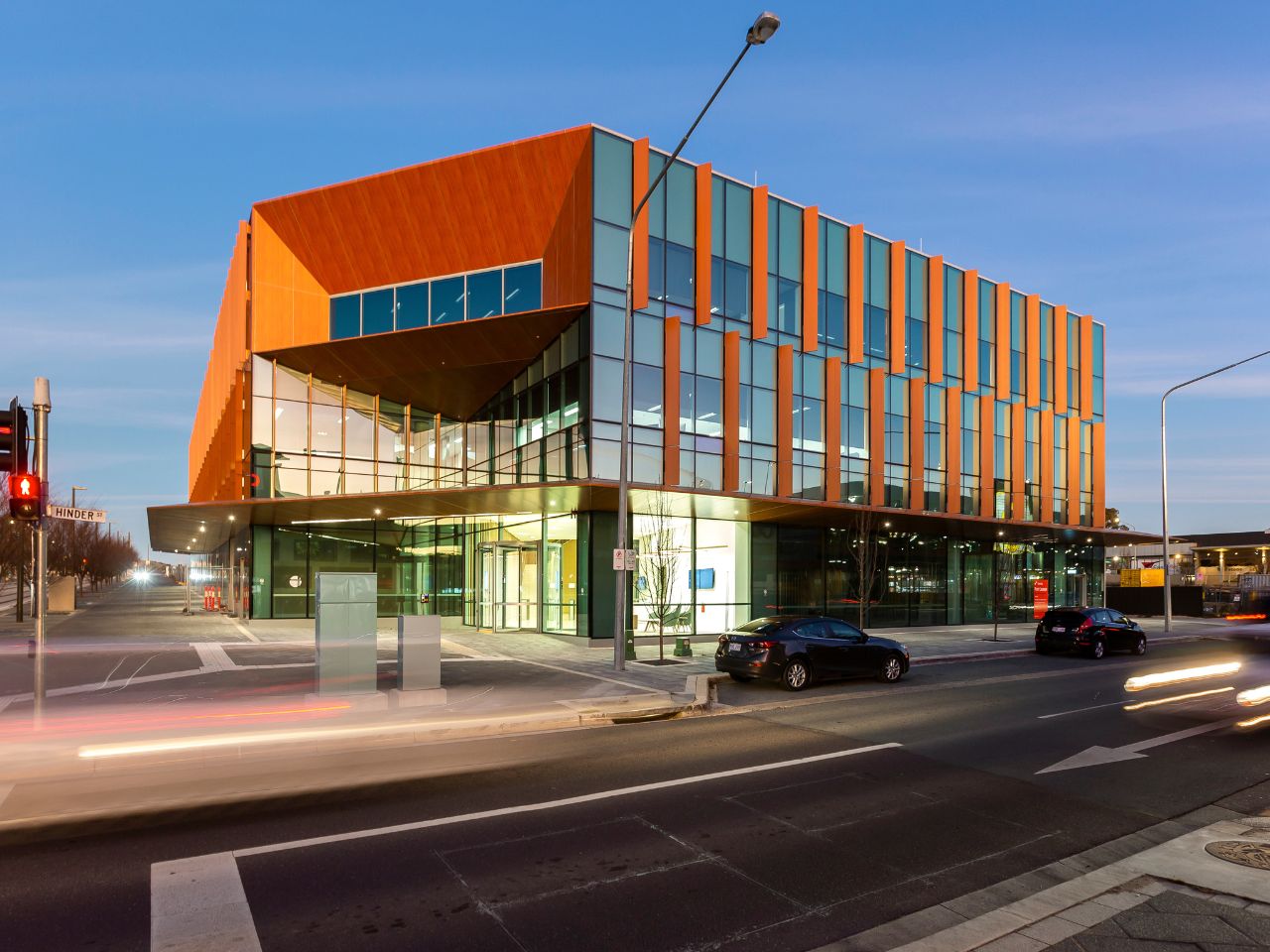
Cladding is the material used on the outside of buildings, and it does more than just look good. It helps with insulation, weather protection, and energy savings. But the most important factor today is safety. Combustible cladding has caused fires in the past, putting lives and properties at risk. Non-combustible cladding solves this problem by stopping flames from spreading quickly and making buildings much safer.
What Makes Cladding Non-Combustible?
Non-combustible cladding materials are designed to resist ignition, limit smoke, and prevent fire spread. Examples include:
• Fibre cement panels – strong, versatile, and fire-resistant.
• Aluminium with fire-resistant cores – lightweight yet safe.
• Natural stone and treated metals – durable and non-flammable.
These products are tested under strict standards, ensuring compliance with international fire-safety classifications.
Safety Benefits Beyond Fire Resistance
Non-combustible cladding offers more than just fire safety. Additional benefits include:
• Durability – Resists harsh weather and wear.
• Low maintenance – Requires less upkeep over time.
• Energy efficiency – Some materials improve insulation.
• Soundproofing – Reduces outside noise, enhancing comfort.
• Design flexibility – Available in a wide range of colours, textures, and finishes to suit modern architecture.
This makes it both a safety measure and a performance upgradefor buildings.
Regulatory Requirements and Standards
Building regulations worldwide are tightening around cladding safety. For instance:
• UK – Combustible cladding banned in high-rise residential projects.
• Australia & Canada – Adoption of stricter fire-safety standards.
• U.S. – State-specific rules pushing safer material adoption.
For developers, using certified non-combustible materials is no longer optional - it’s a legal requirement and a reputational safeguard.
Cost vs. Value Considerations
Many assume safer cladding is much more expensive. In reality:
• Upfront costs – Slightly higher than combustible options.
• Long-term value – Lower maintenance, longer lifespan, and compliance assurance.
• Added trust – Buyers, tenants, and investors are drawn to safe, future-ready properties.
Ultimately, the return on safety investmentis significant and well worth the cost.
Future of Non-Combustible Cladding
The demand for safer materials is shaping innovations. Manufacturers are now producing non-combustible cladding that is not only fire-resistant but also eco-friendly and sustainable. Many new options use recycled materials and advanced technology to reduce environmental impact. Architects are also embracing these materials to create sleek, modern facades that balance beauty with safety. This means buildings can now meet safety, performance, and sustainability goalsall at once - setting a higher standard for future construction.
Bottom-Line
Non-combustible cladding is simply the safer choice for modern construction. It prevents fires from spreading, meets safety laws, and makes buildings stronger and longer-lasting. For builders, developers, and owners, it is a smart way to protect people, property, and the future of construction - while also creating spaces that inspire confidence, trust, and lasting value.